01The foundation
General liability. Everything that is not the alcohol.
Third-party bodily injury and property damage that is not alcohol-related. A patron slips on a wet floor, or a customer's property is damaged on your premises.
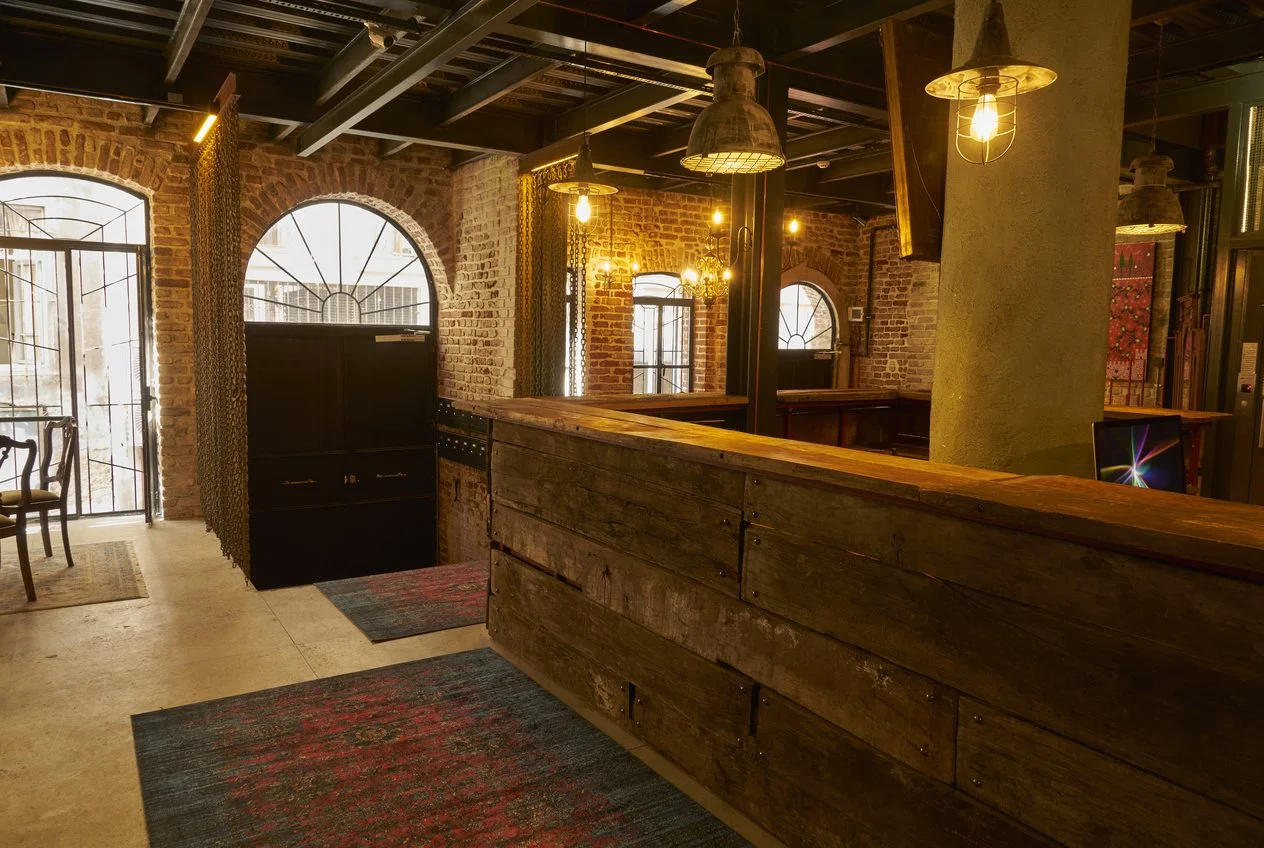
A patron slips on a wet floor and breaks a wrist. A fight between two customers sends one to the hospital and the other to a lawyer. A burst pipe closes the room for three weeks in the middle of your best trading month. A complete bar package is six policies working together, and the exposures that decide the price are the room and the people standing in it.
Talk to an expertGet a quote
The package
A complete bar package is typically six policies working together. Each covers a different category of loss, and the two that matter most for a late-night venue are the two most often bought last.
Third-party bodily injury and property damage that is not alcohol-related. A patron slips on a wet floor, or a customer's property is damaged on your premises.
Your building if you own it, plus bar fixtures, furniture, equipment, inventory and signage. On leased premises it covers your build-out, which is usually worth considerably more than the tenant expects.
Legally required in almost every state once you have staff, and bar work carries its own injury profile: glass, wet floors, late finishes and lifting.
The most critical and most often under-purchased cover a bar buys. Standard general liability specifically excludes alcohol-related claims, so it needs its own policy or endorsement.
Many standard general liability and liquor liability forms exclude it outright. For a bar or a nightlife venue that is not a technicality, it is the exposure the venue is most likely to actually meet.
Lost revenue and fixed costs, rent, utilities, loan payments and payroll, when a covered property loss closes the room. Most standard policies run twelve months and a bar that takes longer to rebuild faces a gap.
The alcohol half of this has a policy and a page of its own, because the exclusion on a general liability form is broad. Start with cover for serving alcohol, then make sure the property side carries cover for the income you lose while closed at an indemnity period that matches how long your room would really take to rebuild.
Your room
Every venue on this list serves alcohol, and an underwriter still prices them very differently. What separates them is the room, the hours, and who is standing in it at one in the morning.
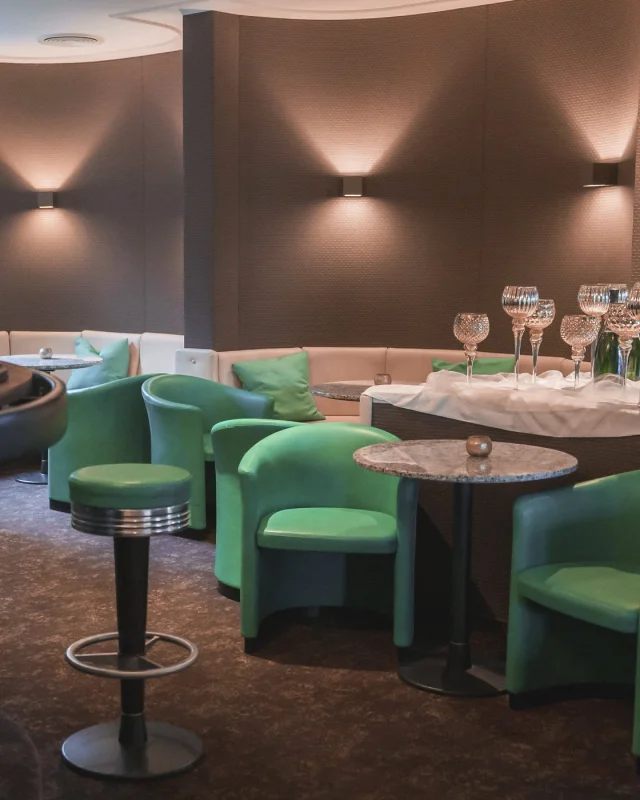
Steady trade, a regular crowd, and an exposure profile closer to a restaurant than to a nightclub.
Whatever the format, two questions come first and both are about the crowd rather than the drinks: what is your capacity, and what are your closing hours. Everything else on a bar submission is read in light of those two answers.
A bar package is built from several policies, and the most consequential question is not whether you have cover but which policy answers. The alcohol exclusion on a general liability form is broad, and the assault and battery exclusion is close behind it.
Four incidents in one venue, and which policy each one lands on:
Covered: A patron slips on a wet floor and breaks a wrist. General liability, with defense.
Not covered: A patron who was served too much causes harm after leaving. That is liquor liability, excluded from general liability entirely.
Covered: A burst pipe closes the room for three weeks. Property, plus business income if it has been endorsed.
Not covered: A fight between two customers, on most standard forms. Assault and battery is excluded or sub-limited unless it was specifically arranged.
Those two exclusions are the difference between a bar package and a pile of policies. Both are visible on the schedule before you bind, which is the only point at which either is cheap to fix. Where extra limit is the answer, check the form underneath it first, because a layer above your primary limits only extends cover that already exists.
The gaps
A standard bar package leaves meaningful gaps. These are the exclusions operators run into most, and the first two account for most of the serious surprises. Eight that matter.
WHAT YOU NEED
An A&B endorsement, or a form that includes it. Read the sub-limit rather than the policy limit, because they are rarely the same number.
WHAT YOU NEED
A dedicated liquor liability policy. The general liability exclusion applies whatever you serve and whoever serves it.
WHAT YOU NEED
Separate policies. Both are excluded on standard property forms by default, everywhere.
WHAT YOU NEED
Workers compensation. Bar work has its own injury profile and none of it sits on the liability side.
WHAT YOU NEED
Errors and omissions, which matters for venues offering event management or consulting alongside the bar.
WHAT YOU NEED
Cyber liability. A bar takes card payments all night and holds the data afterwards.
WHAT YOU NEED
Endorsements on the property policy. If you run a kitchen, that is a food conversation rather than a bar one.
WHAT YOU NEED
A fix on the underlying form. An umbrella extends limits on covered claims, so extra limit above an exclusion is extra limit over nothing.
The first and the last on that list interact in a way that catches people. A venue can buy an umbrella for the comfort of a large number and still have no meaningful cover for the claim it is most likely to face, because the tower follows the form underneath it. Check the underlying position before you buy a layer above your primary limits, not after.
The room
Every venue that serves alcohol carries the alcohol exposure, and that is a separate policy with its own page. What separates one bar submission from another is physical and social: how many people, how late, and what happens at the door. Three things decide the price, and none of them is on the drinks list.
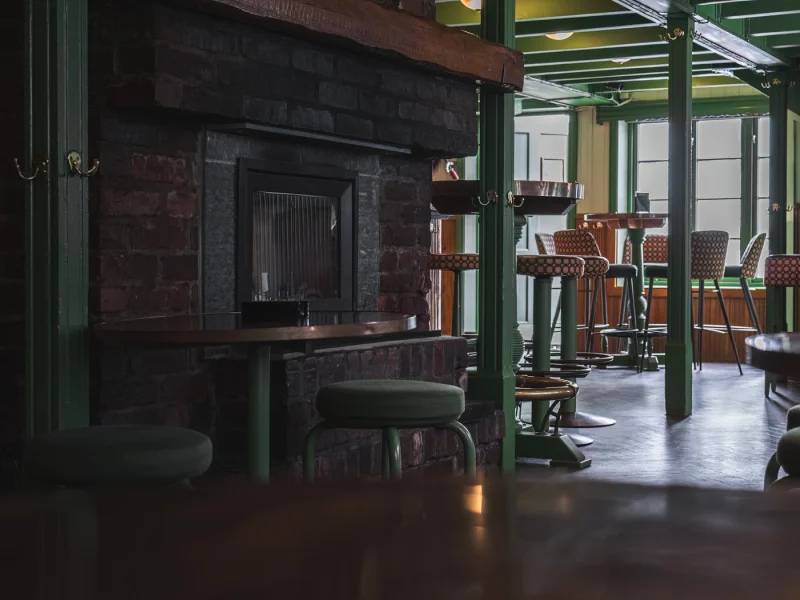
Many standard general liability and liquor liability forms exclude A&B outright, and the ones that include it frequently sub-limit it far below the policy limit. A venue can carry a $1 million liability limit and discover its A&B cover is a fraction of that, which is the single most consequential line on a nightlife schedule. It is also readable before binding.
Carriers treat extended trading as a material risk factor rather than a detail. Late-night operation moves liquor liability, general liability and workers compensation together, because the incidents that happen at one in the morning are not the incidents that happen at seven in the evening. Changing your closing time changes your submission.
More patrons means more general liability and more liquor liability exposure, and the controls around the crowd are one of the few levers an operator actually holds. Door staff, a documented ID checking procedure and camera coverage can lower rates. Live music, DJ nights and ticketed events push the other way, because they change both the size and the character of the room.
The drinks are priced by the liquor policy, and two of the three above are things you can change before a renewal rather than after an incident. The alcohol side has its own rules and its own state-by-state doctrine, which is set out in cover for serving alcohol rather than repeated here.
Speak to our teamRoom check
Each line below changes what a bar schedule has to carry, or how it gets rated. Nothing here is priced and nothing here is a quote.
What the schedule has to answer
Tick what applies and the cover it implies appears here.
Bring your closing times, your capacity and your door procedure. Those three answer most of a bar submission, and two of them are things you can improve.
Speak to our teamCost
Bar insurance costs more than most hospitality businesses because of the liquor liability exposure, and the liquor component is usually the largest single line item on the schedule. Six inputs move the total more than the rest.
The primary driver of the liquor liability premium, and the first number a specialty underwriter asks for on any nightlife submission.
Late-night venues pay more across every line rather than only the alcohol one. Carriers treat extended hours as a material risk factor in their own right.
More patrons means more general liability and more liquor liability exposure, straightforwardly and proportionally.
Prior claims have a direct and lasting impact on renewal, and in this class they also decide which markets will look at you at all.
Dram shop strictness and urban claim frequency both feed the price, and the two often move together in the same market.
Door staff, ID checking and camera systems can lower rates. Live music, DJ nights and ticketed events raise them, because both the size and the character of the crowd change.
Three marks is an input that moves a bar premium more than the others here. It is a relative weighting drawn from how carriers rate, not a rate and not a quote.
A neighbourhood bar with modest revenue and no prior claims and a high-volume nightclub in a busy urban market are not in the same conversation, and a single number would mislead both of them. The liquor liability component is usually the largest line on the schedule, and the only accurate figure is a quote for your specific venue.
Talk to an expertProcess
We understand your business first, then take it to the carriers who want to write it. An advisor walks you through the options and what they cost. No two files are the same, so what follows is the shape of a placement rather than a script.

Capacity, closing times, what share of revenue is alcohol, and what happens at the door. Those four answers decide which markets will look at the file, and in nightlife appetite matters more than price does.
Standard carriers have been narrowing appetite for nightlife for years, so the file goes to the markets that genuinely write it. An advisor explains what came back and where the forms differ from one another.
The liquor liability form is read against the general liability form, the property limits against your real build-out, and the assault and battery position is read rather than assumed. We also handle how COIs get issued for the landlords and event partners who ask for one.
Typically six working together: general liability, liquor liability, commercial property, business interruption, workers compensation, and assault and battery cover arranged deliberately rather than assumed.
Usually not. Many general liability and liquor liability forms exclude it, and forms that include it frequently sub-limit it well below the policy limit. It is the line to read twice.
Because standard general liability specifically excludes alcohol-related claims. It needs its own policy or endorsement, and it is not optional for a venue where alcohol is the business.
Dram shop laws are active in most states and can make a bar liable for harm caused by a patron after they leave. How far that liability reaches varies considerably from state to state.
Documented controls, door staff, ID checking procedures and camera coverage can improve the rate. They do not fix an assault and battery exclusion, which is a separate question entirely.
Most standard policies cover twelve months. A bar that would take longer to rebuild faces a gap, and extended indemnity periods are available on most carrier forms if they are asked for.
Only if assault and battery is covered on the policy underneath it. An umbrella extends limits on covered claims, so extra limit above an exclusion is extra limit over nothing.
Your build-out, fixtures, furniture, equipment, inventory and signage, plus whatever the lease obliges you to carry. The landlord insures the structure, not your fit-out.
Get started
Whether you are insuring a neighbourhood tavern or a high-volume nightclub, we submit across specialty and E&S markets that write nightlife, and we read the assault and battery position with you before you bind rather than after an incident.
This page is general information, not a coverage determination. What your policy covers is governed by its own terms, conditions, and exclusions.