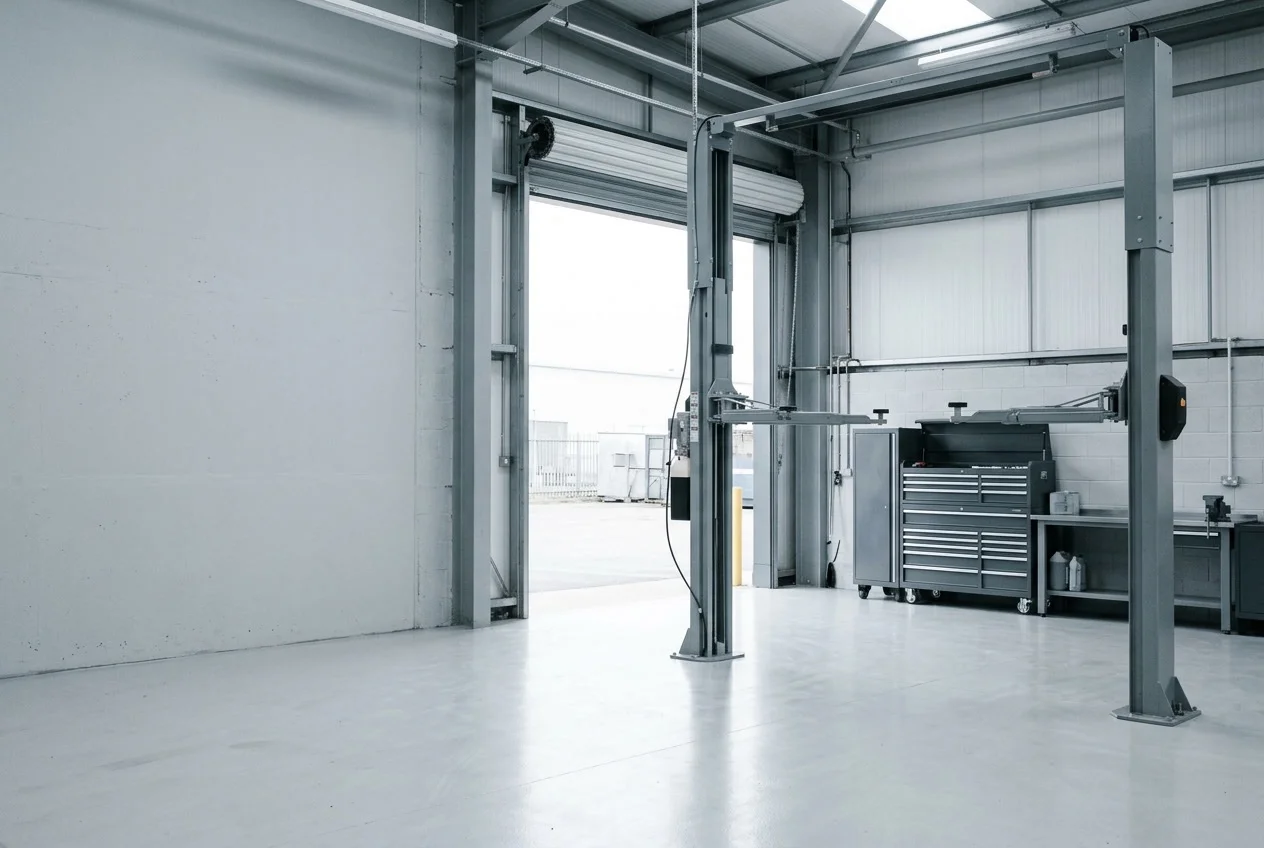
Empty automotive workshop bay with a raised two-post vehicle lift

Auto repair shop insurance

Auto repair shop insurance combines garage liability, garagekeepers cover for customer vehicles in your care, workers compensation and commercial property. Garagekeepers is the distinguishing cover, because standard general liability generally will not pay for a customer's car in your care.

Talk to an expert

Get a quote

Core coverage

What auto repair shop insurance covers

Two covers do the work here, and garagekeepers is the reason a garage policy is not simply a contractor policy with a different name on it.

01Carries the weight

Garagekeepers. Customer vehicles, while they are yours to look after.

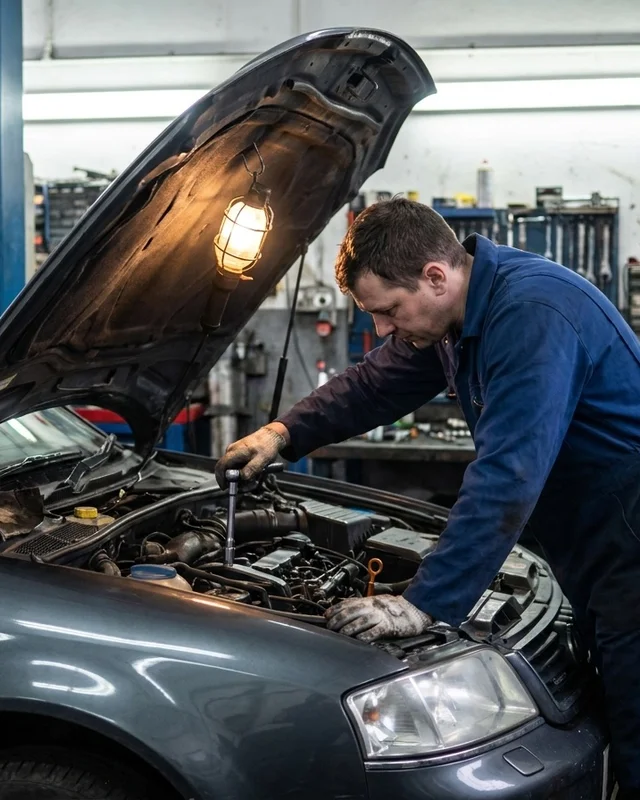
Damage to a customer's car while it is in your care, custody or control: on the lift, in the bay, in the lot overnight, or on a test drive, depending on the causes of loss you buy and, on the standard legal liability basis, whether you are liable. General liability specifically steps around property in your keeping, which is why a shop without this is usually uninsured for one of the things most likely to happen.
02Carries the weight

Garage liability. Everyone who is not your customer's car.

Third-party injury and property damage from your premises and your operations. A customer who slips in the waiting area, on a garage form damage caused by a vehicle you were operating, and the completed-operations half that can answer for damage when a repair fails after the car leaves.

03Fills a gap

Workers compensation

Lifts, hot exhausts, compressed air, batteries and heavy components. Frequency lives with hands and backs; severity lives with anything that involves a vehicle coming down.

04Fills a gap

Commercial auto and non-owned auto

Your own vehicles, plus the liability cover that answers when a technician drives a customer's car. Test drives and collections are where garage claims most often happen off the premises.

05Fills a gap

Property, lifts and equipment

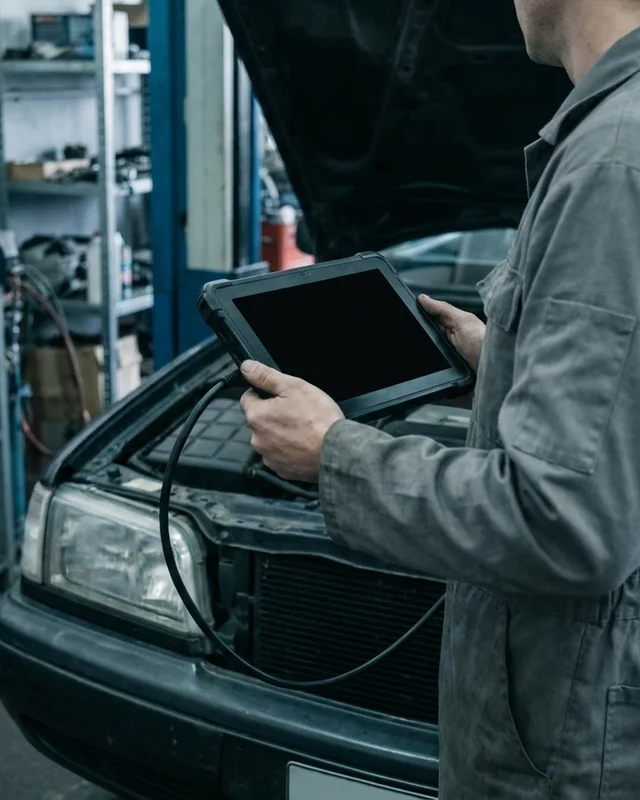
The building or the fit-out, hoists, alignment rigs, diagnostic gear and the stock on the shelves. Equipment here is heavy, fixed and expensive to replace in one go.

06Fills a gap

Pollution and waste handling

Waste oil, solvents, coolant and batteries. Standard wordings exclude pollution, and a garage generates it every day, which makes this an endorsement or a separate policy rather than an afterthought.

07Fills a gap

Faulty work and products

Damage from the repair that does not hold, or the part that fails. Distinct from garagekeepers, because this is about the work rather than about custody of the vehicle.

Garagekeepers is also a cover often held at the wrong limit, because the limit has to contemplate the whole lot on a bad night rather than one car. Our brokers can review it against how many vehicles sit on site overnight rather than against an average, and review the equipment schedule against what a hoist actually costs to replace while they are there.

Your shop

Four shops, four different policies

Most shops do several of these. What moves the file is not the work so much as how many vehicles you are responsible for at once, and whether any of them leave the premises with your staff in them.

General mechanical repair

Servicing, engine and transmission work, suspension, exhaust. The bread and butter, and the work that keeps the largest number of customer vehicles on your premises at any one time.

What underwriters askBay count, vehicles on site overnight, average vehicle value, and whether you keep keys on site
The claim that shows upDamage to a vehicle in the bay or the lot, fire, a repair that fails after collection
Endorsements it needsGaragekeepers at a limit sized to the full lot, completed operations, non-owned auto liability
Watch forGaragekeepers limits are usually set per location, not per vehicle. One bad night can involve every car you are holding, not just the one you were working on.Talk to a broker about this

If you have taken on a fleet contract since the last renewal, the garagekeepers limit set for a retail shop may now be too low.

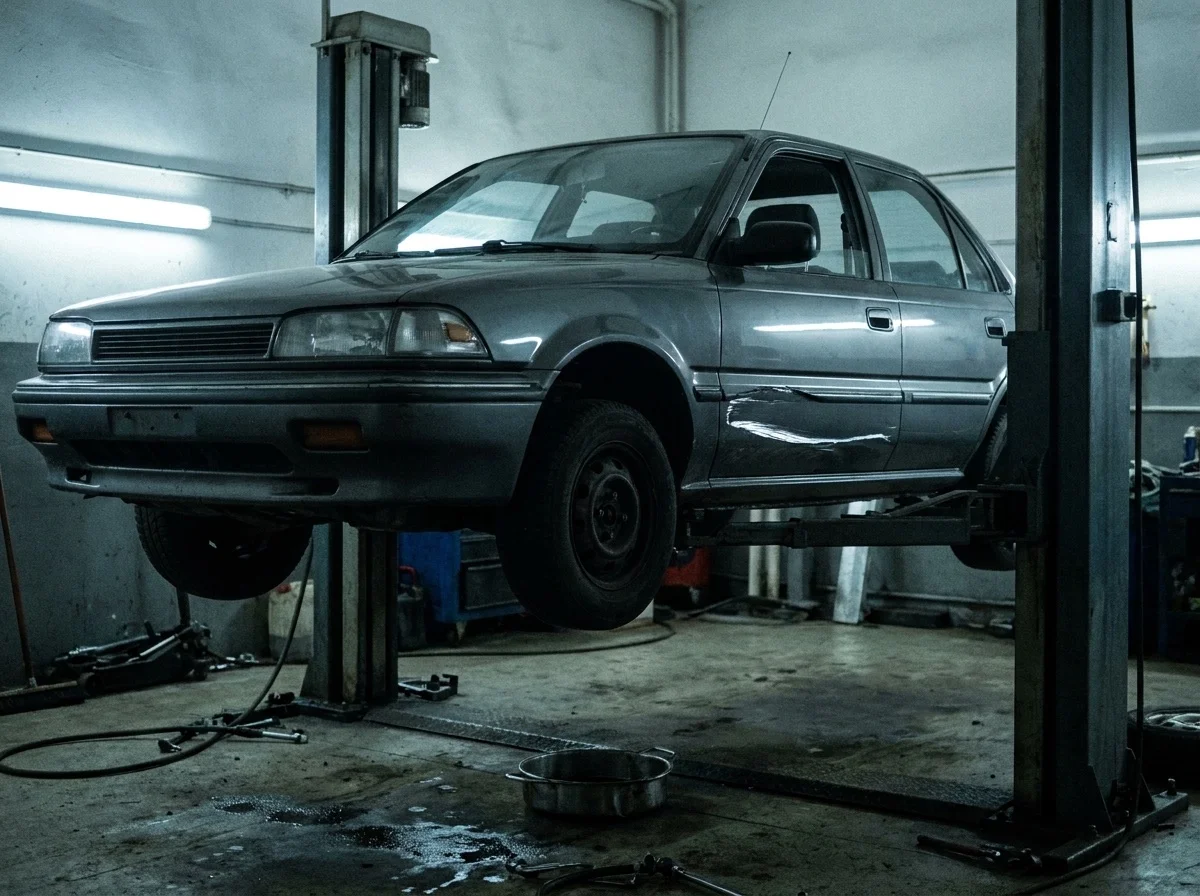
Customer car raised on a workshop lift with a scrape along the door panel

The car is not covered by the policy you think

This is one of the most common gaps in an auto repair programme, and it is not an obscure clause. General liability excludes property in your care, custody or control by design. A customer's vehicle sitting on your lift is the definition of property in your care, which means the cover that usually answers is garagekeepers, or nothing does.

Where the line falls, in practice:

Typically covered: A car damaged on your lift or in your lot, where garagekeepers is in force, the cause is one you bought cover for, you are liable or bought a direct option, and the limit reaches. This is the whole reason the cover exists.

Typically not covered: The same car, on general liability alone. The care, custody and control exclusion removes it, and no amount of general liability limit changes that.

Typically covered: A customer's vehicle damaged on a test drive, where garagekeepers includes collision cover and you are liable or bought a direct option.

Typically not covered: The customer's belongings inside the car. Personal property in a vehicle is usually excluded outright, which is worth saying at the counter rather than after.

The limit matters as much as the cover. Garagekeepers is generally written per location, so the number has to contemplate every vehicle on the premises on your busiest night, not the value of the one you happened to be working on. A shop holding eight cars overnight is carrying eight cars of exposure. Have the limit checked against the number you actually hold overnight, not against an average week.

The gaps

What auto repair shop insurance does not cover

Eight that matter on a garage schedule. The first is the reason this trade needs its own policy rather than a contractor's.

Customer vehicles, under general liability

WHAT YOU NEED

Garagekeepers. Care, custody and control is excluded from general liability by design, so the one thing you hold most of is the one thing it will not answer for.

Belongings inside the vehicle

WHAT YOU NEED

Rarely anything. Personal property in a customer's car is usually excluded outright. Say so at the counter and put it on the work order.

Redoing the repair itself

WHAT YOU NEED

Nothing. Resulting damage is often covered, the labour to put your own work right generally is not. Price comebacks into the job.

Test drives and collections

WHAT YOU NEED

Auto liability that extends to customers' vehicles, and garagekeepers collision cover for the car itself. Once a technician is behind the wheel on a public road it is an auto exposure, not a premises one.

Waste oil, solvents and coolant

WHAT YOU NEED

A pollution endorsement or a separate pollution policy. Standard wordings exclude pollution, and a garage produces it daily rather than exceptionally.

Employee injury

WHAT YOU NEED

Workers compensation. Garage liability answers for third parties, and a technician under a raised vehicle is not a third party.

Tools and diagnostic equipment

WHAT YOU NEED

An equipment schedule that is current. Diagnostic gear is expensive, portable and frequently missing from a policy written years ago.

Work you send out

WHAT YOU NEED

Additional insured status and a certificate from the machine shop, the auto electrician or the mobile tech. Work you subcontract can return as your claim.

The pattern is that a garage policy answers for custody and for operations as two separate ideas, and most underinsurance here comes from assuming one covers the other. Speak to our team about the limit rather than the premium, and ask about cover for a technician's injury at the same time.

Driver assistance

The calibration nobody sees until it matters

Cameras, radar and sensors now sit behind windscreens, in bumpers and inside mirrors on ordinary cars. Routine work can disturb them, and the consequences of not putting them back are unusually one-sided.

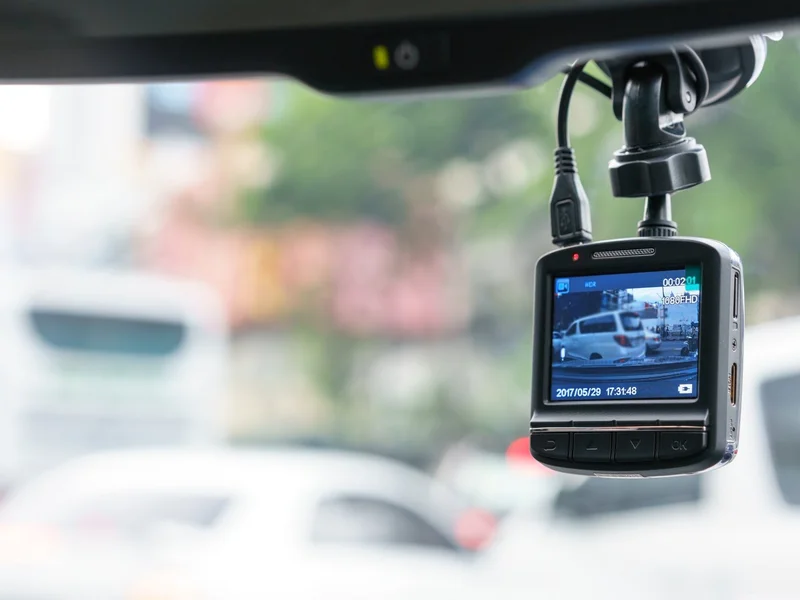
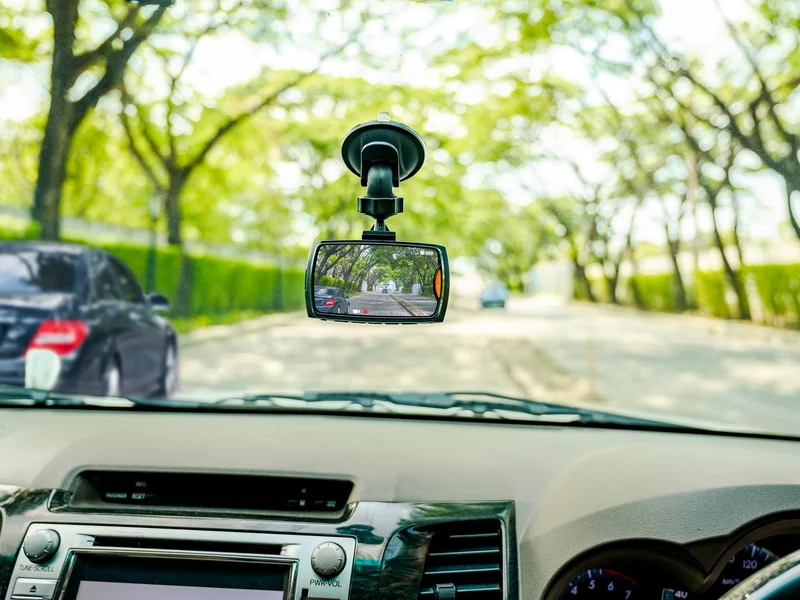
Camera unit mounted on a windscreen behind the rear-view mirror

Ordinary jobs disturb the systems

A windscreen replacement, a bumper repair, an alignment, a suspension change. None of these feel like electronics work, and on many vehicles all of them can move a sensor, or the car around it, out of the position its software assumes it is in.

View out through a windscreen with the camera unit in place and the road ahead

A miscalibrated system can fail quietly

Often nothing warns anybody. The car drives normally out of the bay and can behave normally for weeks. The failure may appear at the one moment the system was supposed to intervene, and by then the vehicle is at speed and somebody may be hurt.

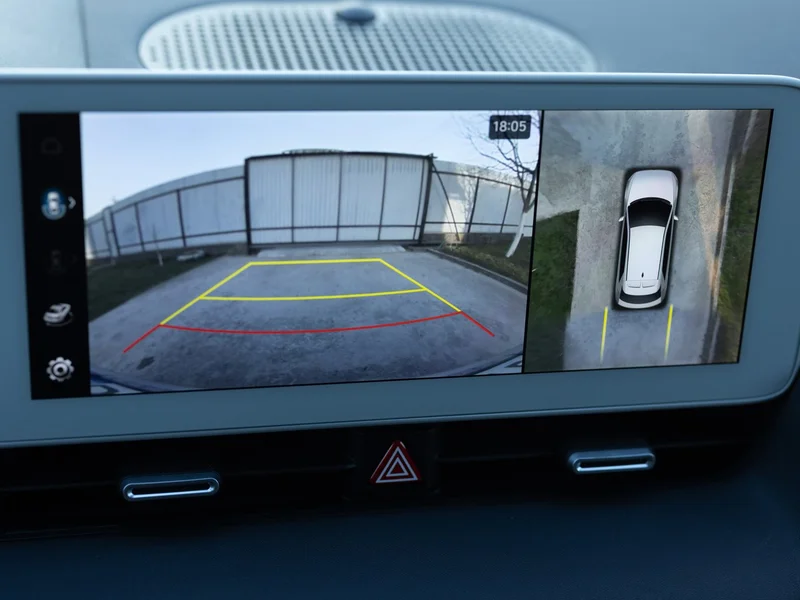
Surround-view camera display showing its guidance overlay on a dashboard screen

That is usually a completed operations claim

The work was finished, the vehicle was collected, and the damage occurred afterwards, which generally puts it against the products and completed operations side of the policy rather than garagekeepers. It also puts the shop's records of what was calibrated, and by whom, at the centre of the file.

The practical answer is unglamorous: know which jobs trigger a calibration under the manufacturer's procedures, document what was done, and confirm with your broker that this work sits inside your declared scope rather than beside it. It is also worth understanding how cover behaves after the job is closed, because that is the half of the policy this lands on.

Speak to our team

Custody check

What are you responsible for, and when?

A garage policy is really an argument about custody: whose property, whose premises, whose road. Most lines below change where that boundary sits. Nothing is priced and nothing is submitted.

Where your exposure actually sits

Nothing ticked. Choose what your shop does and the exposures it creates will list here.

Bring this to a renewal conversation. On this trade the limit is worth more attention than the premium, because the limit is what fails first. This is general information about how these coverages usually work, not a determination about your policy: what responds depends on your wording and your carrier.

Speak to our team

Cost

How much does auto repair shop insurance cost?

No published figure survives contact with an actual shop. Six inputs move a garage premium further than the rest.

01

Vehicles in your care, and their value

The garagekeepers limit is one of the largest decisions on a garage policy, and it follows how many cars are on the premises on a bad night rather than an average one.

Effect on premium
02

Payroll and workers comp class

Technician payroll on a class that contemplates raised vehicles and heavy components. It is often the largest line on a shop once staff are on the books.

Effect on premium
03

Premises, hoists and equipment

Whether you own or lease, how many bays, and what the fixed plant is worth. Hoists and alignment rigs are often valued at what they cost, not what they cost now.

Effect on premium
04

How much driving your staff do

Test drives, collections and deliveries. The more a technician is on the road in somebody else's car, the more of your exposure sits off the premises.

Effect on premium
05

Waste, solvents and storage

What you generate, how it is stored and how it leaves. It is a line that can get expensive if it has never been declared at all.

Effect on premium
06

Claims history and documentation

Three years of loss runs, and how well the shop documents work orders and sign-offs. On a custody trade, paperwork is genuinely part of the risk.

Effect on premium

Three marks is an input that moves a garage premium more than the others listed here. It is a relative weighting drawn from how these behave on a custody trade, not a rate and not a quote.

So what does that add up to?

A garage premium is really two premiums: one for the people and the premises, one for other people's vehicles. The second is where shops are often underinsured. Request a quote and we will take your real exposure to market.

Talk to an expert

Process

How a placement works

We understand your business first, then take it to the carriers who want to write it. An advisor walks you through what comes back and what it costs. No two files are the same, so what follows is the shape of a placement rather than a script.

  1. Loss runs and a payroll schedule spread on a desk beside a calculator and laptop

    We understand the business first

    What you do, where, with how many people, and what your contracts oblige you to carry. Those answers decide which markets will look at the file at all, and how much of the rest of this applies to you.

  2. Brokerage desk with a monitor in morning light

    We match it to the carriers who want to write it

    One set of information goes to underwriters we know have appetite for auto repair work rather than whoever happened to quote last renewal. An advisor talks you through what comes back and what it costs.

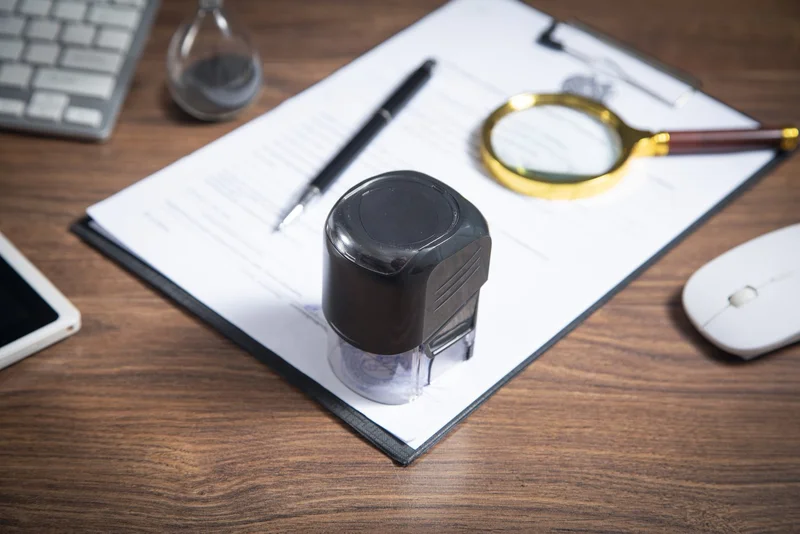
  3. Stamped certificate on a clipboard with a pen and a magnifier

    After bind, certificate requests read against the contract

    A fleet operator or a landlord wants proof before the work can start, and this is how COIs get issued here. We read the certificate request against your contract, so the endorsements the contract needs are requested on the policy and the certificate reports what the policy provides, rather than a generic endorsement that may fail review.

It is the cover that answers for damage to a customer's vehicle while the vehicle is in your care, custody or control. Depending on the causes of loss you buy, that includes on the lift, in the bay, in the lot overnight and generally on a test drive. On the standard legal liability basis it pays only where the shop is legally liable; the direct excess and direct primary options pay regardless of fault. It exists because general liability deliberately excludes property in your keeping, so without it the vehicles you hold are usually the one thing your policy will not pay for.

No, and the names being similar causes real problems. Garage liability answers for injury and damage to third parties arising from your premises and operations. Garagekeepers answers for the customer's vehicle itself. A shop generally needs both, and having one is not evidence of having the other.

Enough to contemplate every vehicle on your premises at once, because the limit is usually written per location rather than per vehicle. A fire or a storm can involve the whole lot, not just the car you were working on. Count what is there on your busiest night and work from that.

Usually not. Personal property left in a vehicle is commonly excluded outright, which is a difficult conversation to have after a break-in and an easy one to have at the counter. Putting it on the work order in writing is the practical answer.

Once your technician is driving a customer's vehicle on a public road, the exposure has moved from your premises to the road. It is typically auto liability, on a garage policy or as non-owned auto cover, that responds to other people, and garagekeepers collision cover for the customer's car itself. It is a common gap in shops that offer collection and delivery.

Generally yes, as an endorsement or a separate policy. Standard wordings carry a pollution exclusion, and a workshop produces waste oil, solvents and coolant as a matter of routine rather than by accident. It is often an addition that can close much of that gap, subject to its terms.

Frequently still the shop, which surprises people. Supplying a component does not by itself transfer responsibility for fitting it, and the shop can still be named if it fails once fitted. If you accept customer-supplied parts, agree the position in writing before the work rather than after a failure.

It depends whether that work sits inside your declared scope. Calibration is increasingly part of ordinary jobs like windscreen and bumper work, and a miscalibrated system that contributes to a collision can become a completed operations claim against the shop. Confirm the position specifically rather than assuming it is included.

Get started

Cover that counts every car in the lot.

Tell us how many vehicles you hold and what your techs drive, and we will help you set a garagekeepers limit built on your worst night rather than an average one.

  • Fleet contracts and leases read with you
  • Direct and wholesale carrier access
  • Markets that write auto repair work

This page is general information, not a coverage determination. What your policy covers is governed by its own terms, conditions, and exclusions.

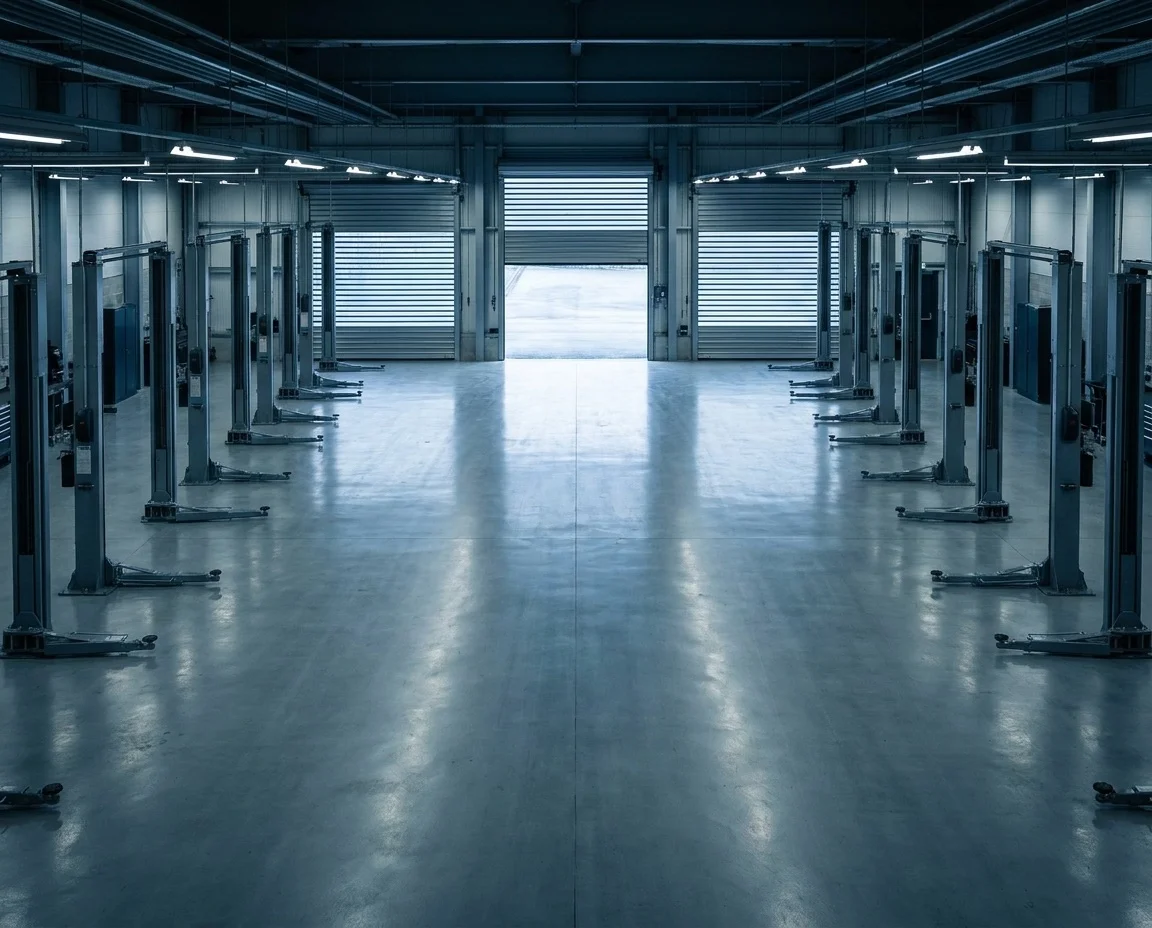
Row of empty workshop bays receding toward open roller doors