Industries

Electrical Contractors

Electrical Contractor Insurance for Trades and Firms

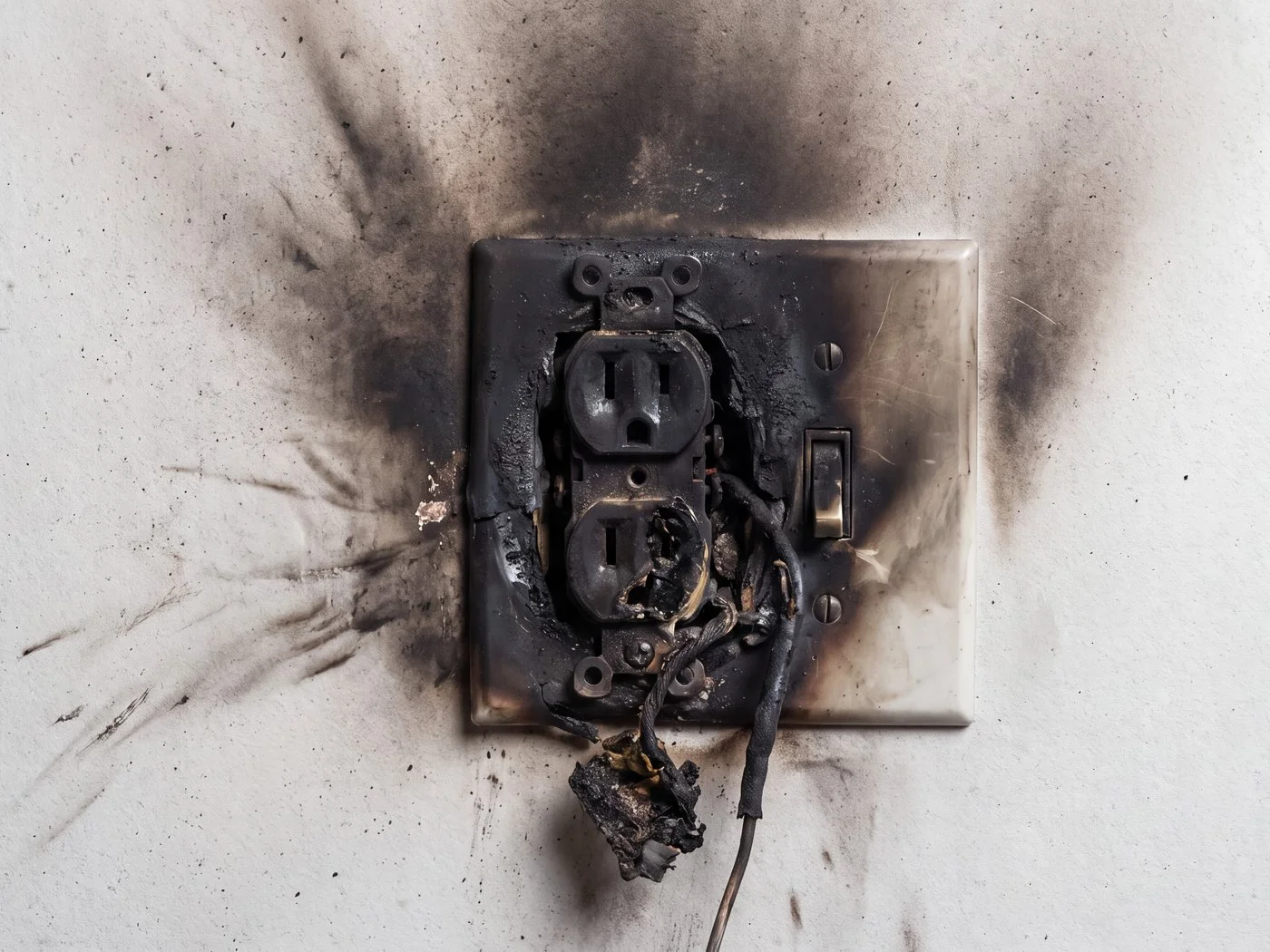
A wiring defect from a job finished eighteen months ago causes a house fire, and the claim still lands on the policy that was active when the work was done, not the one you’re carrying now. That’s the completed operations tail, and it’s the piece of electrical contractor insurance that catches people out most, because the exposure doesn’t end when the job does. Electrical work carries a liability tail most trades don’t, and the coverage stack has to account for that, not just today’s job site.

100+ Carrier Markets

All 50 States

COIs in Under 2 Minutes

Coverage

What Does Electrical Contractor Insurance Actually Cover?

Most electrical contractor programs are built from four coverage types. Each answers a different exposure, and the completed operations piece is the one that’s genuinely specific to this trade.

Liability

General liability, and the completed operations tail

General liability covers third-party bodily injury, property damage, and personal and advertising injury arising from your work. A customer trips over a conduit bender in their hallway, or a ground fault from a panel you installed injures someone months after the job wrapped: this is general liability territory, and it’s the foundation of most contractor programs. What makes electrical work different is how long that exposure stays live. A wiring defect can surface a year or more after the job closes, and the claim still names whatever policy was active on the completion date, not your current one.

Employees

Workers’ compensation, and the elevated classification

Electrical work carries higher NCCI classification rates than most trades, driven by electrocution risk, live-panel work, and falls from ladders and lifts. Coverage for on-the-job injuries is required in most states once you have employees, and the classification code you’re rated under matters more here than in lower-risk trades.

Equipment

Tools and equipment coverage

Electrical contractors carry expensive, mobile equipment: multimeters, voltage testers, conduit benders, specialty tools that move between jobs constantly. Standard commercial property coverage typically stops at a fixed location, which leaves gear damaged or stolen from a job site or a work vehicle without a clear answer unless a specific tools and equipment endorsement is in place.

Design

Professional liability, for design-build and layout work

If your work goes beyond straight installation into layout recommendations, panel design, or consultative electrical planning, professional liability covers claims that your advice or design, not your physical work, caused a client’s loss. Standard GL doesn’t reach this. A commercial client blaming a layout suggestion for months of delay is a professional liability claim, not a general liability one.

What GCs Actually Check For On Your COI

General contractors reviewing a subcontractor’s certificate of insurance typically look for two specific things: a CG2037 completed operations endorsement and a waiver of subrogation, both riding on top of the foundation of most contractor programs. The CG2037 form extends additional insured status to cover claims that surface after the job is finished, not just during active work. Without it, a GC’s own policy can end up as the first line of defense against a completed operations claim tied to your work, which is exactly the outcome that endorsement is meant to prevent.

Miss either of these on your COI and it’s a common reason subs get bounced off a job before work even starts. It’s a paperwork detail, but it’s the paperwork detail that actually matters, and it’s simpler to get it right before a bid than to scramble for it after a GC rejects the certificate.

What Standard Coverage Misses

The gaps that catch electrical contractors out are rarely dramatic. They’re quiet exclusions that surface once a claim gets filed.

Additional insured status without the completed operations endorsement

What actually covers it

A confirmed CG2037 endorsement added before the certificate is issued

Damage caused by a subcontractor you hired for the job

What actually covers it

Verified sub insurance and additional insured status, not an assumption of coverage

A licensing requirement tied to project performance, not a loss

What actually covers it

A surety bond, a separate mechanism from insurance entirely

A claim that exceeds your primary general liability limit

What actually covers it

A commercial umbrella layer sitting above GL, auto, and employer’s liability

Surety bonds come up constantly in the same conversation as insurance, but they work differently. A bond guarantees your performance to a client or licensing board, and the bonding company can recover a paid claim from you directly. Insurance protects your business from a loss. A bond protects the other party from you.

Coverage Profiles

Who Needs This Coverage?

Electrical contractor insurance isn’t one-size-fits-all. The right stack depends on how your business is structured and the work you take on.

Solo residential electricians

Typically need general liability and workers’ comp as the baseline, with tools and equipment coverage close behind given how much gear travels with a one-person operation.

Small crews and growing contractors

Face a sharper version of the subcontractor exposure, since adding help without verifying their coverage is exactly how a claim ends up uninsured. Bringing on the first W-2 hire also means coverage for on-the-job injuries stops being optional and starts being a real line item.

Commercial and industrial contractors

Working GC subcontracts run into the CG2037 and waiver of subrogation requirements constantly, and getting bounced off a bid over COI wording costs real money in lost work, not just delay. Larger projects also tend to carry higher required limits than a residential job ever would, worth confirming before you bid rather than after you’ve committed a crew.

Design-build electrical firms

Carry the sharpest need for professional liability alongside GL, since layout and design advice creates an exposure standard installation work doesn’t.

Pricing

How Much Does Electrical Contractor Insurance Cost?

Premium depends on real factors specific to your operation, not a flat trade rate. Contractors who own their shop or store significant equipment at a fixed location should also weigh coverage for the shop and stored equipment alongside the liability side of the program.

01

Type of work

Why It Moves Your Premium

Residential, commercial, and industrial electrical carry different severity profiles

02

Claims history

Why It Moves Your Premium

A clean loss history signals lower risk to underwriters

03

Payroll and crew size

Why It Moves Your Premium

Workers’ comp scales directly with payroll and crew size

04

Coverage limits and deductible

Why It Moves Your Premium

Higher limits and lower deductibles cost more but matter when a GC contract requires them

05

Location

Why It Moves Your Premium

Litigation climate and licensing requirements vary meaningfully by state

How Electrical Contractor Insurance Works at Rosella

We submit your information across multiple carrier portals, so you’re not re-entering the same details for every quote. Our system also reads the actual policy wording alongside the carrier’s, which is how we catch missing completed operations endorsements and subcontractor gaps before you bind, not after a GC rejects your certificate.

Once coverage is in place, how COIs get issued takes under two minutes, which matters when a bid deadline or a job start date is on the line. Speak to our team about the right combination of coverage for the type of work you do and how you structure your crew. A real person handles the judgment calls. The AI just clears the paperwork out of the way first.

Frequently Asked Questions

Get a quote

Electrical contractor insurance gets more complicated as you take on GC subcontracts, hire subs of your own, or move into design-build work. Tell us how your business actually operates, and we’ll help you build the full coverage picture.

GET STARTED

Ready to Place Electrical Coverage?

From solo residential electricians to design-build firms running crews across job sites, we submit across specialty markets to build a package that passes GC review without gaps.