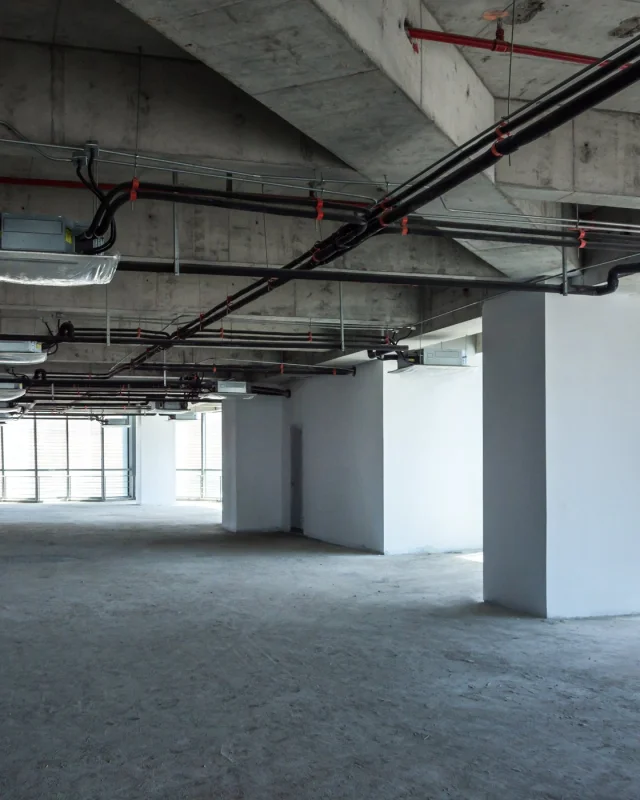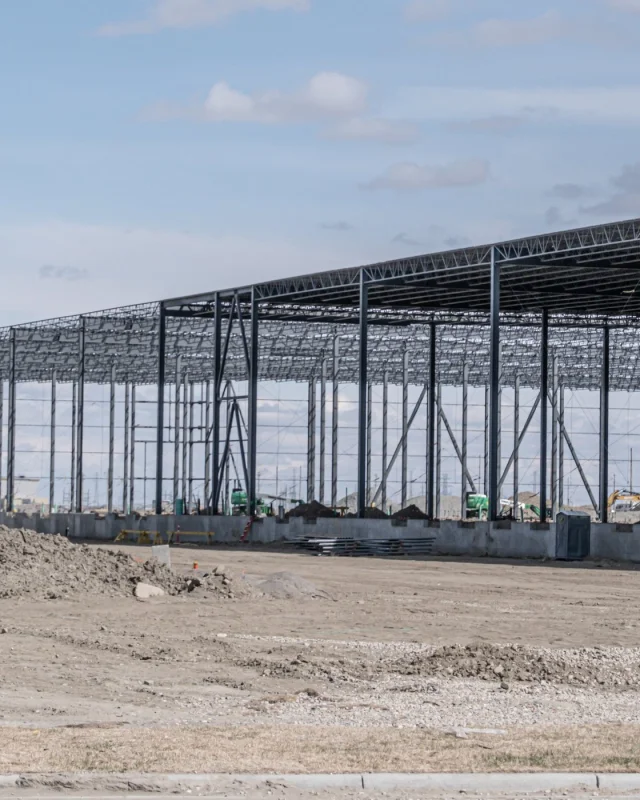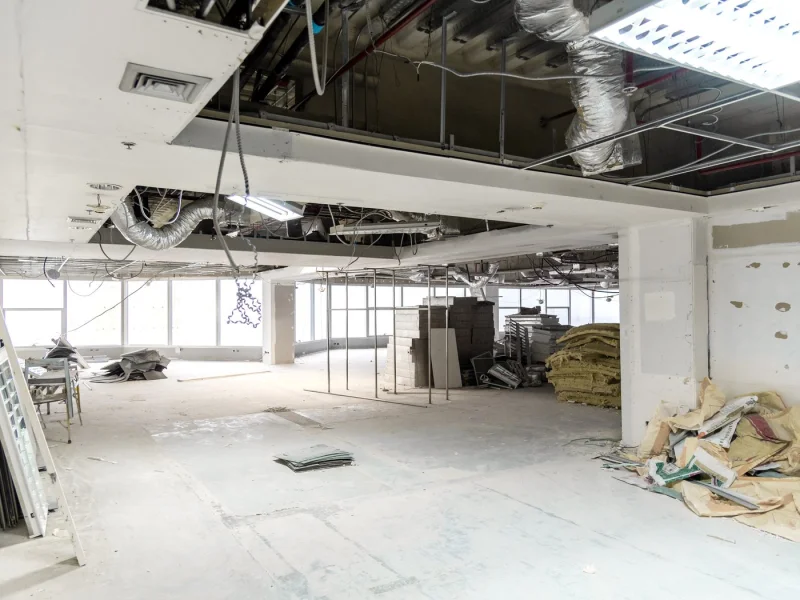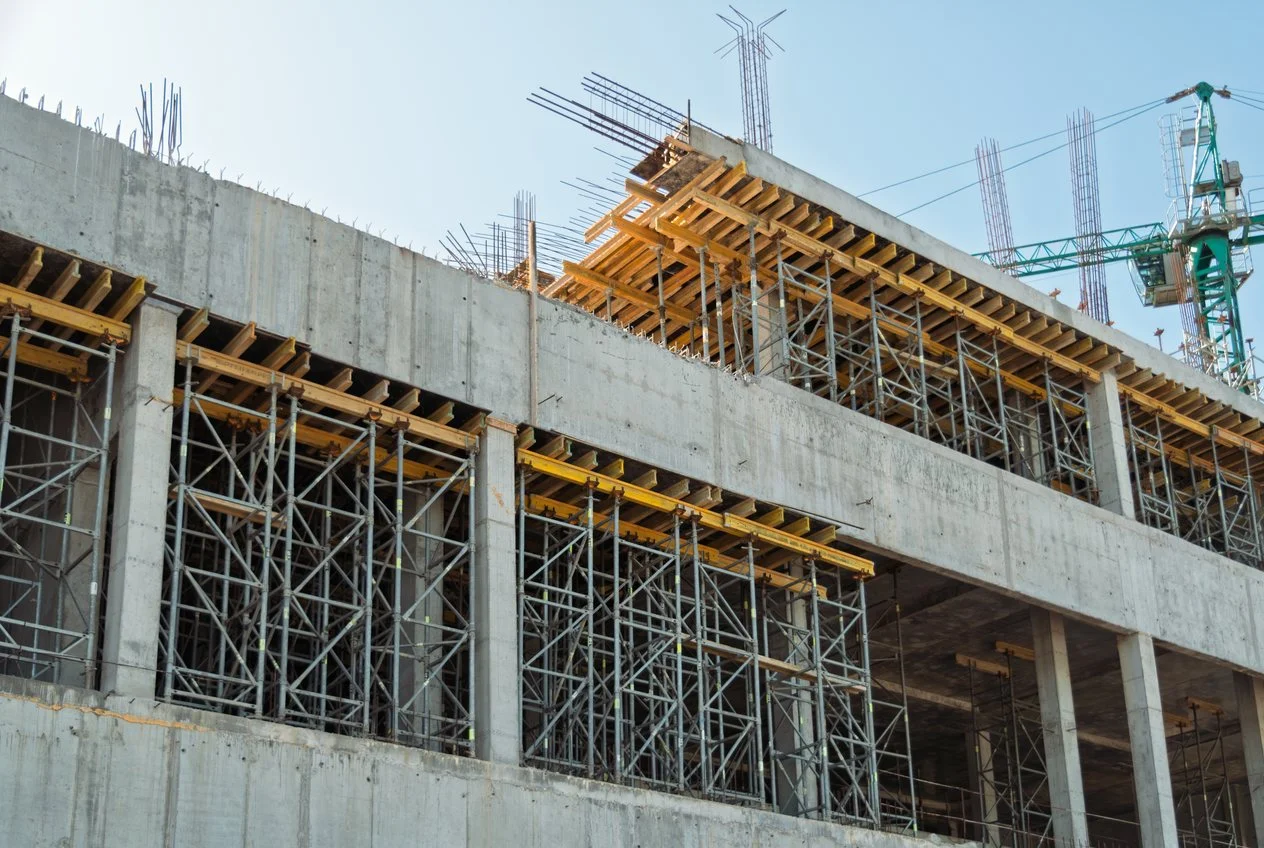
Concrete frame of a commercial building under construction, with formwork, shoring and a tower crane

General contractor insurance

General contractor insurance covers the general liability, workers compensation, umbrella and builders risk a GC needs to hold, plus the additional insured and waiver of subrogation endorsements that owners write into most contracts. It also has to answer for work done by subcontractors, including the ones who turn out to be uninsured.

Talk to an expert

Get a quote

The program

What general contractor insurance covers

A GC program is usually seven policies, and every one of them has a second job: it is also the thing your owner's contract checks and the thing you ask your own subs to mirror. Four are on almost every contract. Three arrive with particular projects.

01On every contract

Contractor general liability. Including the work you did not do yourself.

Third-party injury and property damage from your operations and your finished projects. On the standard contractor form, damage that grows out of a subcontractor's work can still be your covered claim, which is exactly why the carrier wants to know who your subs are and what they carry.


02On every contract

Workers compensation. Your crews, and sometimes theirs.

Medical costs and lost wages for your own employees. In most states a GC can also be treated as the statutory employer of an uninsured sub's workers, so the policy can end up paying for people who were never on your payroll.

03On every contract

Umbrella and excess. The limit the owner actually asked for.

Contracts commonly ask for $1M per occurrence and $2M aggregate on general liability and then set a much larger total. The umbrella is how a GC reaches that total without buying it all at primary level.

04On every contract

Commercial auto.

Pickups, crew trucks and delivery vehicles, plus hired and non-owned auto for superintendents who drive their own cars between sites. A large fleet is often rated on its own record, separately from the liability program.

05Project by project

Builders risk. The building before it is a building.

The structure under construction, with materials on site and in transit. Whether the owner or the GC buys it is set by the contract, and the GC who assumes the owner bought it is the one who finds out otherwise.

06Project by project

Contractor's equipment.

Owned and rented machinery, tools and site equipment, written as inland marine because a property policy stops at your yard. Rental agreements often make you responsible for the full value of a machine while it is in your possession.

07Project by project

Contractors professional liability.

For design-build, value engineering and delegated design. When your firm changes a specification and the change fails, that is professional advice, and contractor general liability is not written to answer it.

Owners rarely stop at the primary limits. Larger contracts set a total that only an umbrella over the primary policies reaches, and they usually expect your subs to carry a smaller tower of their own. If you run several trades under one roof, the construction insurance overview sets out how the roles on a site split the program between them.

How you deliver

Four ways to run a job, four different sub books

A GC's exposure follows how much of the work is bought in and who it is bought from. Choose the closest model and the ledger shows how an underwriter reads it, and where the subcontract has to carry the weight.

Self-performing general contractors

Your own carpenters, concrete and site crews do the structural work, and specialty trades are subbed in around them. The payroll is large and so is the number of hands on the site that are not yours.

What underwriters askSelf-performed payroll by class, what share of cost is subcontracted, and how subs are vetted
The claim that shows upA crew injury on your own payroll, and a third-party claim where your trade and a sub's trade both touched the defect
Endorsements it needsWaiver of subrogation on comp and GL, additional insured for ongoing and completed work, primary and non-contributory
Watch forWhen your crew and a sub's crew both worked on the failed element, the fight is over whose policy answers. A sub's AI endorsement that covers completed work can keep it off yours.Talk to a broker about this

Most mid-market GCs run two of these at once, and the program is rated on the mix. A shift toward subcontracting moves the comp side down and the liability side up, and it is worth telling the underwriter before the audit tells them.

Cracks opening along the mortar joints of a painted masonry wall beside a downpipe

What actually triggers a claim against a general contractor

On a site with twenty trades, the question after a loss is rarely whether something went wrong. It is whose work it was, and whose policy is first in line. The GC is named in almost every suit, because the GC is the party the owner has a contract with for the work.

Four losses on one project, and where each one tends to land:

Covered: A sub's roof flashing fails after handover and water ruins finished interiors. Subject to your policy terms, resulting damage is a completed operations claim, and the sub's insurer should be tendered first.

Not covered: Your own crew pours a slab out of tolerance and it has to be cut out. Replacing your own faulty work is a business cost, not an insured loss.

Covered: A visitor walking the perimeter is struck by debris from a scaffold. Third-party injury from your operations, with defense costs.

Not covered: A loss caused by a sub who never produced insurance, on a policy carrying a subcontractor condition. Some forms decline the claim outright when the requirement was not met.

The first and last lines are the same accident with different paperwork. Whether a sub's loss stays with the sub depends on what you collected before they started and whether it covered work after handover, which is where how general liability treats finished work becomes the GC's problem rather than the trade's.

The gaps

What general contractor insurance does not cover

Eight exclusions a GC meets most often. Two of them only exist because of the subs, and those two are where a well-bought program still fails.

Rework of your own crew's work

WHAT YOU NEED

Liability cover does not insure it. Damage the faulty work causes is generally covered; tearing out and redoing the work itself is a cost of the job.

Work by a sub who carried nothing

WHAT YOU NEED

Read your own form for a subcontractor condition, then make the certificate and endorsement a condition of mobilizing. Some policies decline these claims outright.

Injury to your own employees

WHAT YOU NEED

Workers compensation and employers liability. General liability answers to third parties, and your crew is not a third party.

The structure while it is being built

WHAT YOU NEED

Builders risk, bought by whoever the contract says. General liability does not insure the project itself.

Design and value-engineering errors

WHAT YOU NEED

Contractors professional liability. A specification you changed is advice, and contractor GL is not written to answer advice.

Pollution and mold on site

WHAT YOU NEED

Contractors pollution liability. Contractor liability wordings commonly exclude fuel spills, disturbed materials and mold from a wet build.

Anything involving an auto

WHAT YOU NEED

Commercial auto, with hired and non-owned. Contractor GL stops at the auto.

Delay penalties and liquidated damages

WHAT YOU NEED

A contract and schedule question, not an insurance one. A late finish is not physical damage, so a liability form generally does not pay it.

The second card is the one this page exists for. It is cheap to fix before a sub sets foot on site and close to impossible afterwards. If you also carry a crew of your own, read it alongside how comp treats an uninsured sub at audit, because the same missing certificate costs you twice.

Downstream risk

You answer for trades you never put on your payroll

A GC buys insurance for its own firm, and then spends the rest of the project making sure everybody below it has bought theirs. That second job is not administration. When a sub's cover is missing or has lapsed, the loss moves up the chain to the first policy that still exists, and on most sites that policy is yours.

Office interior mid-works with the ceiling opened up and materials stacked on the floor

Their loss arrives on your liability policy

An owner sues the GC, not the drywall sub. If the sub's insurer accepts the tender, your policy steps back. If the sub has no insurer, or its policy never named you as additional insured for completed work, your contractor general liability carries the claim at your limits and on your loss history. Some forms go further and restrict cover when a sub was uninsured at all.

Three overfilled ring binders of paperwork stacked on a desk

Their payroll arrives at your comp audit

At the end of the policy year an auditor asks for proof that every sub carried workers compensation for the period it worked. Where you cannot show it, the auditor can treat what you paid that sub as payroll of your own and charge premium at the class rate for their trade. In most states the same gap makes you the statutory employer if one of their workers is hurt.

Calendar page, notebook and pen on a plain white desk

A certificate is a date, so the file has to stay live

The certificate a sub hands over at mobilization shows the policy on the day it was issued. Policies are cancelled for non-payment, they renew on dates that fall mid-project, and the endorsement the certificate mentions may say less than the subcontract required. A GC that collects once and never checks again has a stack of paper, not a program.

Collect the endorsement itself as well as the certificate, track every expiry date against the job schedule, and stop work when cover lapses. What a certificate does and does not prove is set out in our guide to certificates of insurance.

Speak to our team

Sub book check

Tick how your jobs actually run

Each line changes what has to be written into your own program or pushed down into your subcontracts. It is a checklist for the downstream half of a GC's cover, and it prices nothing.

What your program and your subcontracts have to carry

Choose any line on the left and the requirement it creates shows up here.

Bring a recent subcontract and your certificate log to the first call. Between them they show where the chain is strong and where it is relying on paper nobody has checked.

Speak to our team

Cost

How much does general contractor insurance cost?

General contractor insurance cost is set by how much work you do, how much of it you buy in, and how well you can prove what your subs carry. A number quoted before anyone has seen those three is not a price. Six inputs move a GC's premium most.

01

Subcontracted cost, and how it is verified

Carriers rate subcontracted cost differently depending on whether those subs were insured. Verified, it is a light charge. Unverified, the auditor may rate it as payroll of your own.

Effect on premium
02

Self-performed payroll and class codes

The core of the comp premium and much of the liability one. Framing, concrete and steel sit in heavier classes than supervision and clerical, and the split has to be recorded properly to count.

Effect on premium
03

Project type and revenue

Residential, commercial, public and interiors work are rated very differently, and revenue and subcontracted cost are the bases most contractor liability rating starts from.

Effect on premium
04

Loss history and experience modifier

Three to five years of loss runs and the mod that follows from them. Losses an uninsured sub caused sit in your history, not theirs.

Effect on premium
05

Limits and contract requirements

The umbrella size, completed operations wording and AI forms your owners demand. Each one is priced, and some carriers will not offer them at all.

Effect on premium
06

Fleet and states

Vehicle count, radius and driver records on the auto side, and the list of states on the comp side. Each new state adds its own rules.

Effect on premium

Three marks is an input that pulls a GC premium harder than the others in this grid. The marks compare inputs with each other. They are not rates, and they are not a quote.

The part of the price you control

Payroll, project mix and states are mostly fixed by the work you win. The sub book is not. A GC that can show every sub's cover for every day it was on site gives the underwriter a smaller audit charge, a cleaner loss history and a better file to quote, and we will come back with numbers against that file.

Talk to an expert

Process

How a placement works

We understand your business first, then take it to the carriers who want to write it. An advisor walks you through the options and what they cost. No two files are the same, so what follows is the shape of a placement rather than a script.

  1. Loss runs and a payroll schedule spread on a desk beside a calculator and laptop

    We understand the business first

    What you do, where, with how many people, and what your contracts oblige you to carry. Those answers decide which markets will look at the file at all, and how much of the rest of this applies to you.

  2. Brokerage desk with a monitor in morning light

    We match it to the carriers who want to write it

    One set of information goes to underwriters with genuine appetite for your work rather than whoever happened to quote last renewal. An advisor talks you through what comes back and what it costs.

  3. Stamped certificate on a clipboard with a pen and a magnifier

    After bind, certificate requests read against your contract

    An owner wants proof before your crew can start, and this is how COIs get issued here. We read the certificate request against your contract, so the endorsements the contract needs are requested on the policy and the certificate reports what the policy provides, rather than a generic endorsement that may fail the review.

Typically general liability, workers compensation, commercial auto and an umbrella on every contract, with builders risk, contractor's equipment and contractors professional liability added where the work calls for them. On top of the policies sit the endorsements owners write into contracts: additional insured, waiver of subrogation and primary and non-contributory wording.

Your policy covers your own liability, which can include liability for a sub's work. It does not insure the sub. Each sub needs its own general liability and workers compensation, and the subcontract should require them to name you as additional insured. Some policies restrict cover when a sub turns out to have been uninsured.

In most states the GC can be treated as the statutory employer of an uninsured sub's workers, so an injury lands on your comp policy. Separately, the premium auditor can charge you for what you paid that sub as if it were your own payroll.

It depends on self-performed payroll and class codes, how much you subcontract and whether those subs were insured, the type and value of your projects, your loss history and experience modifier, the limits your contracts require, your fleet and the states you work in. Carriers quote against your real file rather than a starting figure.

Commonly $1M per occurrence and $2M aggregate on general liability, with an umbrella above that sized to the project. The contract sets the number and the forms, so read the insurance exhibit rather than the certificate request.

No. A certificate shows a policy on the day it was issued and confers no rights by itself. Collect the additional insured endorsement as well, and track expiry dates so you know when a sub's cover lapses mid-job.

The policies have the same names, but the job they do is wider. A trade contractor insures its own work. A GC answers for the whole site and every tier below it, so underwriters spend as much time on how you manage subs as on your own payroll, and owners ask for larger limits.

If you take on design-build, delegated design or value engineering, usually yes. Changing a specification is professional advice, and contractor general liability is not written to answer a claim that the advice was wrong.

Get started

Put the whole chain in front of an underwriter.

Tell us how you deliver work, how many subs you run and the states you build in. We will go to market for your program and read the subcontracts beneath it with you.

  • Subcontract insurance clauses read with you
  • Direct and wholesale carrier access
  • Markets that write general contractors

This page is general information, not a coverage determination. What your policy covers is governed by its own terms, conditions, and exclusions.

Stone-clad facade of a completed multi-story commercial building