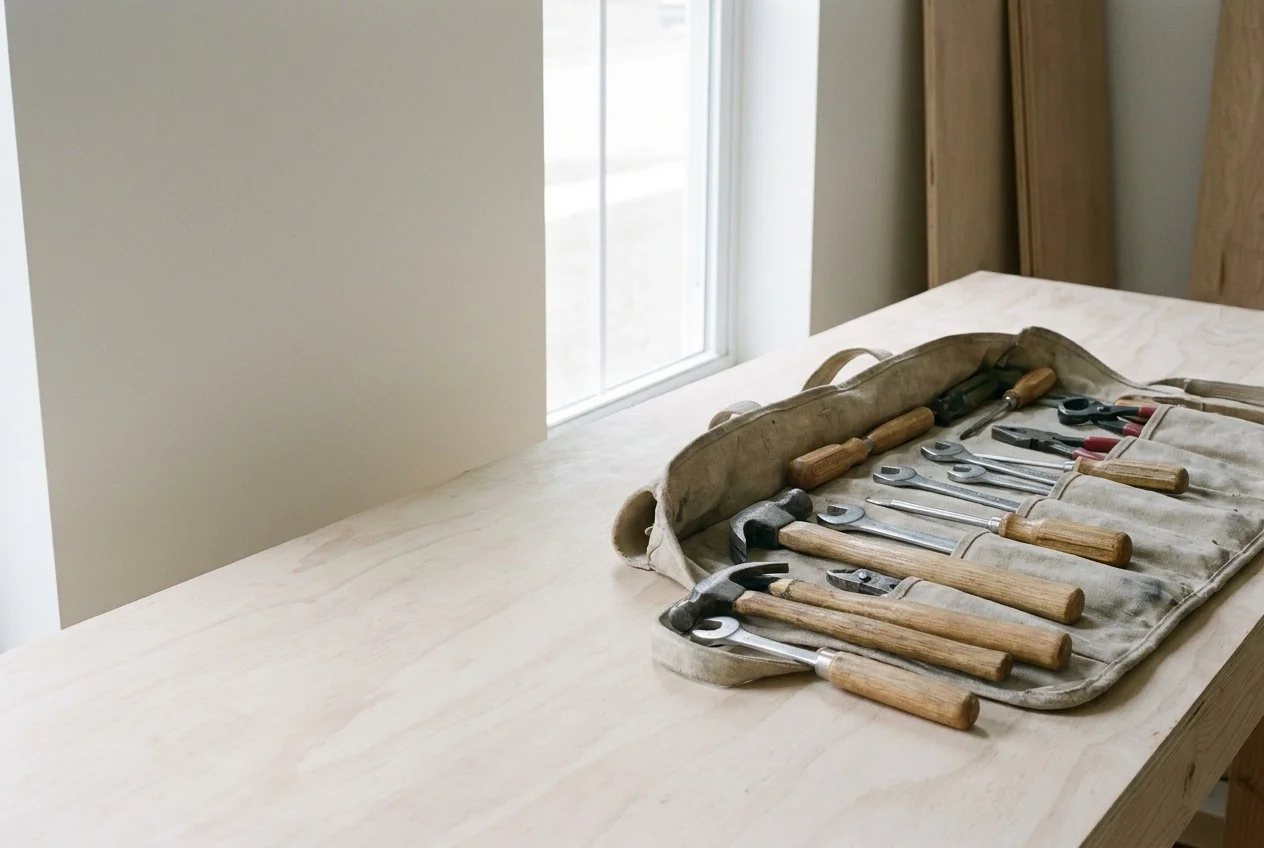
Open tool roll and hand tools laid out on a pale workbench

Handyman insurance

Handyman insurance usually combines general liability for property damage and injury on a client's premises, tools and equipment cover, and workers compensation where you have staff. Much handyman work sits below the licence threshold that a remodeler needs, where your state sets one.

Talk to an expert

Get a quote

Core coverage

What handyman insurance covers

A handyman schedule is short, which is exactly why each line has to be right. There is very little on it to absorb a mistake.

01Carries the weight

General liability. Somebody else's home, while you are standing in it.

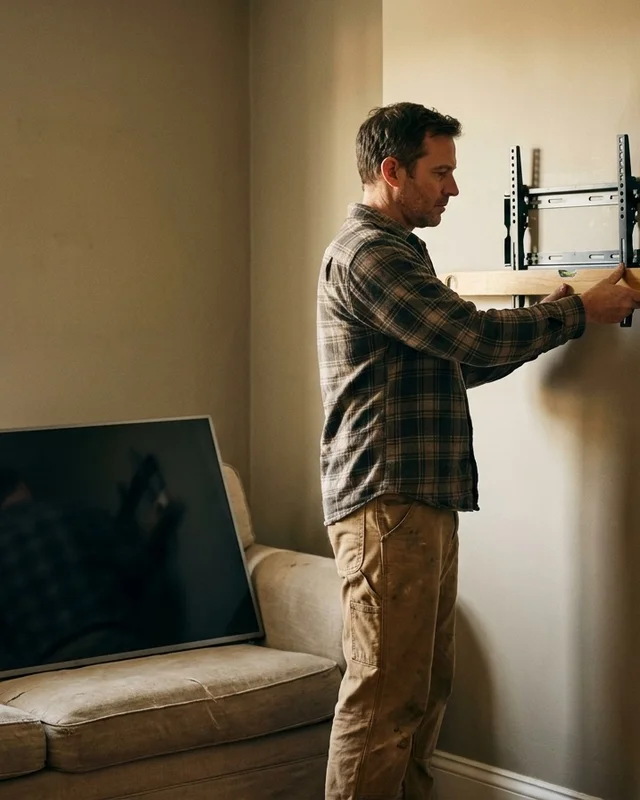
Third-party injury and property damage arising from your work. A television that comes off the bracket you mounted, a client who trips over your cable, a floor marked by a dropped tool. Almost every handyman claim happens in a room somebody lives in, which is why they can settle high relative to the invoice.
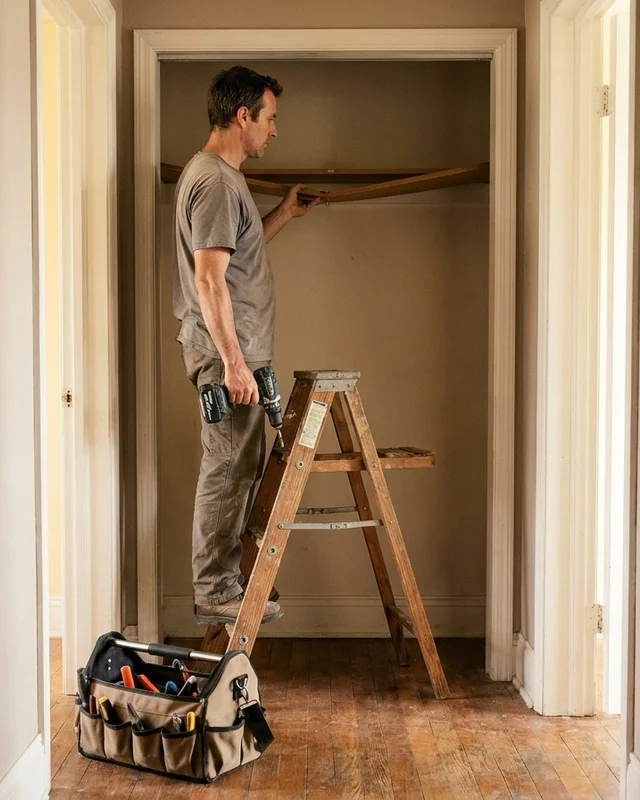
02Carries the weight

Tools and equipment. The business, in a bag.

For a one-person operation this is not a supporting line, it is the business continuing to exist on Tuesday. Cover often follows a schedule and many policies cap what can be taken from an unattended vehicle, so the limit and the clause both matter more here than the premium does.

03Fills a gap

Workers compensation

Usually only once you have staff, and the moment you put a second pair of hands on a job that question arrives whether or not you meant to hire anyone.

04Fills a gap

Commercial auto

The van or truck, plus hired and non-owned auto. A personal auto policy may restrict or exclude business use, depending on the vehicle and how it was rated, which surprises people.

05Fills a gap

Care, custody and control

The appliance you took off the wall, the furniture you moved to reach the job. Property in your keeping usually steps outside general liability.

06Fills a gap

Business owner's policy

For anyone with a lock-up, a garage bay or stock. It bundles the small property exposure with the liability rather than running two thin policies.

07Fills a gap

Subcontractor controls

Not a policy so much as a process. Bringing in a licensed trade for the part you cannot do is correct, but only if their certificate is on file before they start.

Equipment is where a small operation is most often underinsured, because a bag of tools looks cheaper than it is until you replace it in one go. Our brokers can review the contents of the van against a real list, and check whether bundling it with a small property policy comes out cheaper than holding the two apart.

Your work

Four handyman businesses, four different policies

Most handyman businesses do all four, and the mix shapes both the rate and whether the licensing question has already been crossed. Pick where the majority of your revenue sits.

Repairs and odd jobs

Doors that stick, shelves that sag, grout, sealant, hinges, hanging. Low value per job, high volume, and almost always inside an occupied home.

What underwriters askTypical job value, how many properties a week, and whether any of it touches a licensed trade
The claim that shows upDamage to finished surfaces, a fixing that lets go, injury to an occupant or a pet
Endorsements it needsCare custody and control, hired and non-owned auto, a realistic tools limit
Watch forJob value is what keeps this work inside the exemption. Where your state licenses contractors, the moment a single job crosses its figure it is contractor work, whatever it is called on the invoice.Talk to a broker about this

If small remodel has grown into most of what you do, the honest answer may be that you are now a remodeler rather than a handyman, and should be insured and licensed as one.

Partly removed ceiling light fitting hanging from its cable above a stepladder

Where handyman work stops being handyman work

Most states that license contractors draw a line between work anyone competent may do for money and work that requires a licensed contractor. In many it is a dollar figure per job. Cross it and you are not an exempt handyman, you are an unlicensed contractor, and the two can be treated very differently when a claim is reviewed.

Three things about that line that catch people out:

Watch: In many states the figure counts the whole job, materials included. A job priced at labour alone can sit under the threshold and still be over it once the tiles are on the invoice.

Watch: Electrical, plumbing, HVAC and structural work are generally outside the exemption at any value. A twenty dollar switch can still be licensed work.

Fix: Bring in a licensed trade for those parts, and hold their certificate before they start. This is normal practice, not an admission of anything.

Fix: Ask your own state board rather than a national article. The figure moves, and at least one state has revised it recently.

The insurance consequence is the part worth understanding. Work performed outside a licence is more likely to be unpermitted or off code, and faulty workmanship and misdescribed operations are grounds a carrier may examine when a claim comes in. A policy is not void because you are a handyman; a claim can become very difficult when the work was never yours to do. Confirm what your state board actually requires before you price the next kitchen.

The gaps

What handyman insurance does not cover

Eight that matter on a handyman schedule. The first two are the ones that decide whether the rest of the policy gets to do its job.

Work above your state's threshold

WHAT YOU NEED

A contractor licence, or a job priced to stay under it. Above the line the work is a licensed contractor's, and the policy may not have been written for one.

Licensed trade work

WHAT YOU NEED

A licensed electrician, plumber or HVAC contractor, with their certificate on file. The exemption generally does not reach these at any job value.

Structural alterations

WHAT YOU NEED

A licensed contractor and usually a permit. Removing or altering anything load bearing is generally outside this trade.

Your own workmanship

WHAT YOU NEED

A standard policy will not close it. Resulting damage is generally covered, redoing the work is not. Price the callback into the job.

Tools from an unattended vehicle

WHAT YOU NEED

An equipment limit and an unattended-vehicle clause you have read. Forced entry is a common condition and many overnight losses do not satisfy it.

Injury to a helper

WHAT YOU NEED

Workers compensation. Someone paid to help for a day is often treated as an employee, whatever you both call it.

Anything involving the van

WHAT YOU NEED

Commercial auto. A personal auto policy may restrict or exclude commercial use, and finding that out usually follows an accident.

An uninsured subcontractor

WHAT YOU NEED

A certificate collected before they start. Some wordings exclude or limit cover for work done by a sub who cannot produce one.

The pattern here is that a handyman policy tends to answer well for exactly the work it was described for, and poorly for anything beyond it. That makes an honest scope the cheapest protection on the page. Speak to our team about where your work actually sits, and about cover once you take on help if a second pair of hands has become a regular thing.

The threshold

The number that decides which trade you are in

Most states that license contractors exempt small jobs, and almost every one draws that exemption differently. Some, Texas among them, have no state licence for general handyman work at all. Three things are consistent enough to plan around.

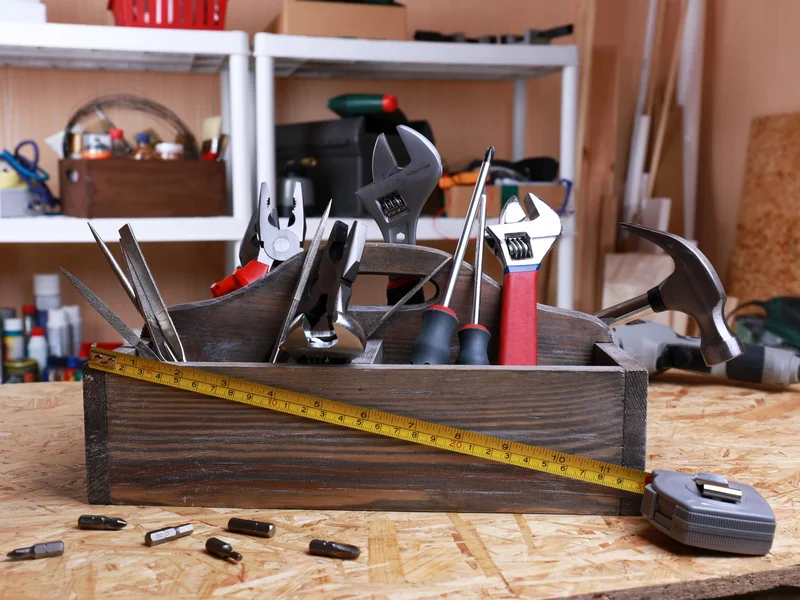
Hand tools and a tape measure in an open tool tray on a bench

It is usually a dollar figure, per job

Many states set the exemption at around $1,000 for a single job, and some go far higher. The spread is wide, the figures are revised periodically, and California doubled its figure from $500 to $1,000 in 2025. Treat any figure you read as needing confirmation from your own board.

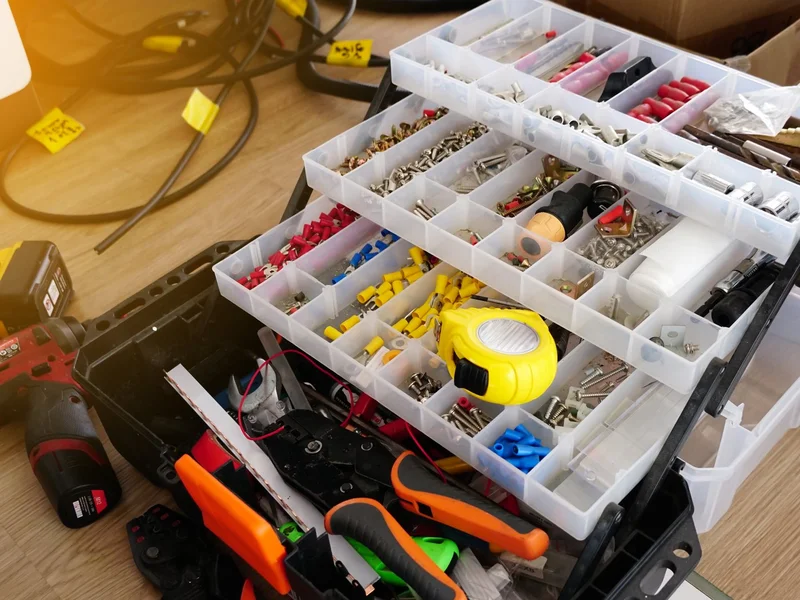
Sorted trays of screws, bolts and fittings on a workbench

It counts materials, not just labour

This is the detail that catches most people. The number is generally the total contract value, so a job that is comfortably under the line on labour can be over it once fittings, tiles or fixtures are added to the same invoice.

Electrical fittings and parts sorted in a site tool case

The trades are usually carved out

Electrical, plumbing, HVAC and structural work usually sit outside the exemption at any value, and in states such as California and Arizona so does any job that needs a building permit. In California, hiring anyone to help with the job ends the exemption too. A small job is often still licensed work, and no dollar figure makes it otherwise.

Where this becomes an insurance question rather than a legal one is at claim stage. Work carried out beyond a licence is more likely to be unpermitted or off code, and some policies exclude or limit cover for it. A clear scope agreed at quote stage is what keeps that conversation short. It sits on top of whatever your state board requires, which is the document that actually governs it. Once licensed trade work is a steady share of what you do, the file belongs in the wider construction program rather than a handyman wording.

Speak to our team

Scope check

How far does your work actually go?

On this trade the scope is the policy. Most lines here change either the wording or which licence the work needs. Nothing here is priced and nothing is submitted.

What has to be settled before binding

Nothing ticked. Choose what you take on and the questions it raises will list here.

Take this to a broker before the next big job rather than after it. Scope is the one thing on a handyman policy that is cheap to fix in advance and expensive to fix afterwards. This is general information about how these coverages usually work, not a determination about your policy: what responds depends on your wording and your carrier.

Speak to our team

Cost

How much does handyman insurance cost?

This is among the less expensive trades to insure and one of the easiest to insure wrongly. Six inputs move a handyman premium more than the rest.

01

The scope you declare

More than anything else. A policy written for repairs and hanging is priced for that; the same policy asked to answer for a bathroom refit is a different product, and the gap is often discovered at claim stage rather than at quote stage.

Effect on premium
02

Whether anyone works for you

A sole operator and a two-person business are not on the same page at all, because the second one usually needs workers compensation and that is often the largest single line once it appears.

Effect on premium
03

Tool values and where they sleep

The schedule total, and whether the van is garaged or on the street. Storage can move this as much as the total does.

Effect on premium
04

Vehicle use and radius

Whether the van is commercial-rated, how far you travel and who drives it. A personal policy doing commercial work is a common gap on this trade.

Effect on premium
05

Height and roof work

Ladders are a common source of serious injury here. Declaring roof work honestly costs less than the alternative.

Effect on premium
06

Limits and claims history

The limit your clients ask for, and three years of loss runs. Property managers often set the number rather than the risk doing it.

Effect on premium

Three marks is an input that moves a handyman premium more than the others listed here. It is a relative weighting drawn from how these behave on a small operation, not a rate and not a quote.

So what does that add up to?

Handyman cover is often among the more affordable trade policies a person can buy, which is exactly why it is worth buying accurately. The money is not in shopping the premium, it is in describing the work correctly so the policy can answer when it is needed. Request a quote and we will take your real exposure to market.

Talk to an expert

Process

How a placement works

We understand your business first, then take it to the carriers who want to write it. An advisor walks you through what comes back and what it costs. No two files are the same, so what follows is the shape of a placement rather than a script.

  1. Loss runs and a payroll schedule spread on a desk beside a calculator and laptop

    We understand the business first

    What you do, where, with how many people, and what your contracts oblige you to carry. Those answers decide which markets will look at the file at all, and how much of the rest of this applies to you.

  2. Brokerage desk with a monitor in morning light

    We match it to the carriers who want to write it

    One set of information goes to underwriters with appetite for handyman work rather than whoever happened to quote last renewal. An advisor talks you through what comes back and what it costs.

  3. Stamped certificate on a clipboard with a pen and a magnifier

    After bind, certificate requests read against the contract

    A main contractor wants proof before your crew can start, and this is how COIs get issued here. We read the certificate request against your contract, so the endorsements the contract needs are requested on the policy and the certificate reports what the policy provides, rather than a generic endorsement that may fail review.

In most states, not for small jobs. Most states that license contractors exempt work below a dollar figure per job, and some have no state licence for general handyman work at all, leaving it to cities and counties. The figures vary widely, they are revised periodically, and the exemption usually excludes the licensed trades entirely. Your own state board is the only source worth relying on.

Usually yes, and this is the detail that catches most people out. The figure is generally the total value of the job rather than the labour element, so a job that looks comfortably under the line can cross it once fittings and materials are on the same invoice.

Generally not without the relevant licence, regardless of how small the job is. The exemption that covers handyman work usually carves out electrical, plumbing, HVAC and structural work at any value. The normal answer is to bring in a licensed trade for that part and hold their certificate on file.

It can become very difficult. Work carried out beyond a licence is more likely to be unpermitted or off code, some policies exclude or limit cover for it, and redoing faulty work is generally excluded in any case. The policy is not automatically void, but you would be arguing from a weak position, which is why scope is worth agreeing honestly at quote stage.

Nothing federal requires it, but in practice you will not get far without it. Property managers, letting agents and many commercial clients ask for proof before they will engage you, and any claim involving a customer's home can be expensive relative to the size of the invoice. Workers compensation is the piece you can usually skip while genuinely solo.

Generally as soon as someone is paid to help, even occasionally and even if you both consider it casual. Most states treat a paid helper as an employee, and comp is required in every state except Texas and South Dakota, where it is optional, and thresholds vary by state. If you are regularly bringing someone along, raise it before the next job rather than after an injury.

Often, subject to two conditions worth knowing. The tools generally have to be on the schedule and within the limit, and many policies restrict what can be claimed from an unattended vehicle, frequently requiring evidence of forced entry. For a one-person business those two clauses matter more than the premium does.

Not always, or not fully, once the vehicle is being used commercially. Personal auto policies can restrict or exclude business use, depending on the vehicle and how it was rated, which means an accident on the way to a job can leave you uninsured for the vehicle and the liability both. Commercial auto is what closes it, with hired and non-owned cover for vehicles the business does not own.

Get started

A policy that matches the work you actually take.

Tell us what you say yes to and what you turn down, and we will look for cover that answers for the first and does not pretend about the second.

  • Contract insurance schedules read with you
  • Direct and wholesale carrier access
  • Markets that write handyman work

This page is general information, not a coverage determination. What your policy covers is governed by its own terms, conditions, and exclusions.

Row of suburban houses along a quiet residential street