Tool Insurance & Equipment Coverage for Contractors and Trades

Tools and equipment insurance — also called inland marine or contractor’s equipment coverage — covers the physical loss or damage of your tools and gear wherever they go: the jobsite, your vehicle, or temporary storage. We place this coverage for contractors, trades, and field service businesses across all 50 states.

Standard Property Insurance Stops at Your Front Door

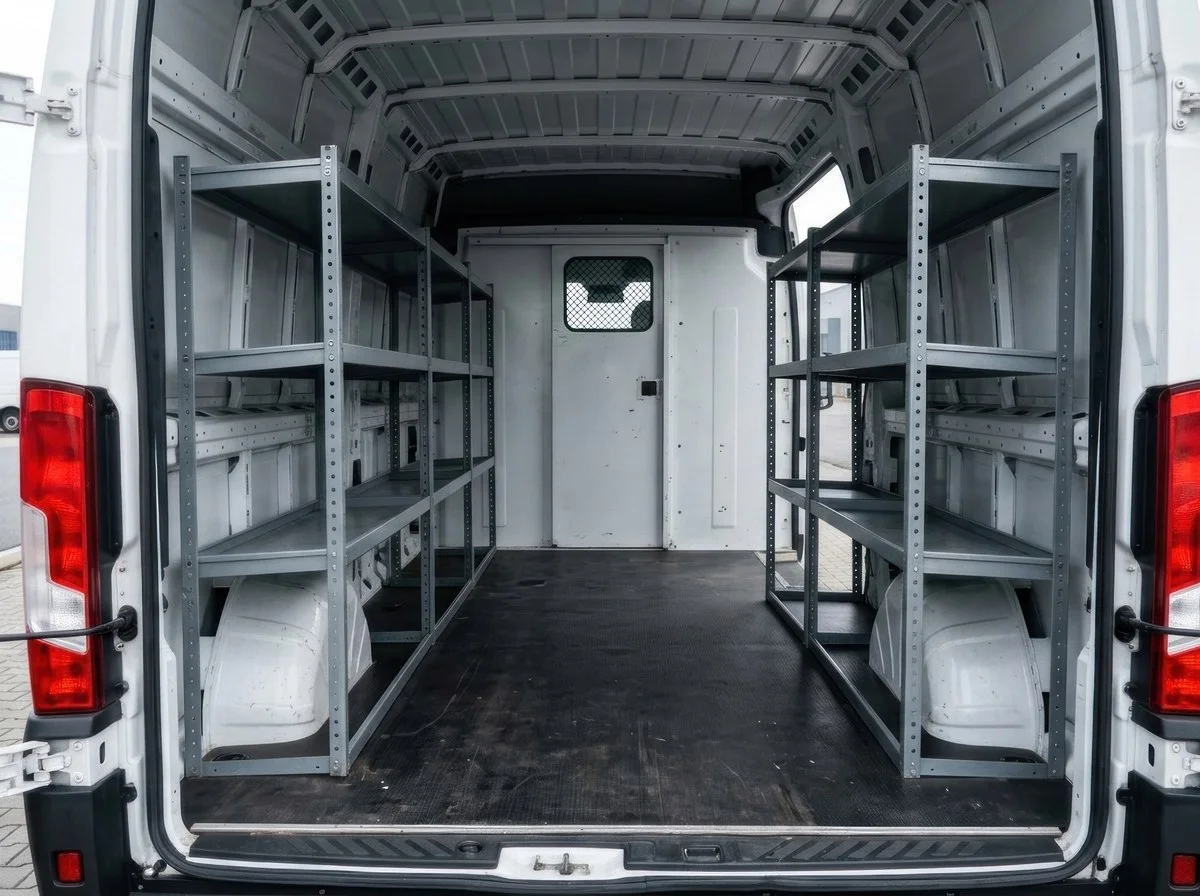
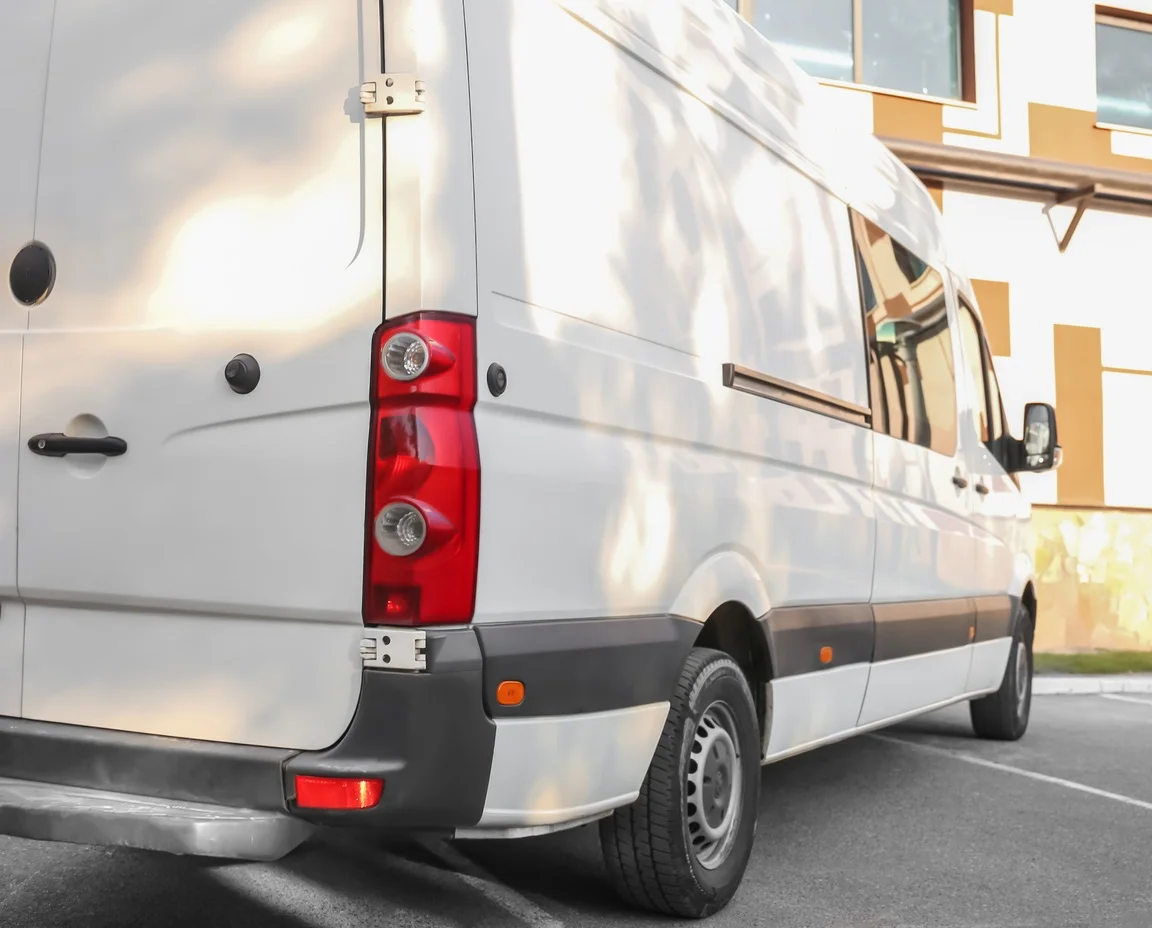
A plumber’s van gets broken into overnight and $8,000 of tools are gone. An electrician’s power tools are ruined when a jobsite floods. A landscaping crew leaves equipment on site and it’s stolen over the weekend.

In all three cases, standard commercial property insurance won’t respond. Property policies cover equipment at your fixed business address — they don’t follow your tools to the jobsite, into your vehicle, or into temporary storage.

That gap is exactly what tool and equipment insurance closes.

$8,000

in tools gone after a single overnight van break-in

$15,000+

typical replacement cost of a fully loaded trade van

100+

carrier portals we submit across to place your coverage

Not sure what your equipment is worth? Talk to our team and we’ll help you scope the coverage.

What We Cover

What Tool Insurance Covers

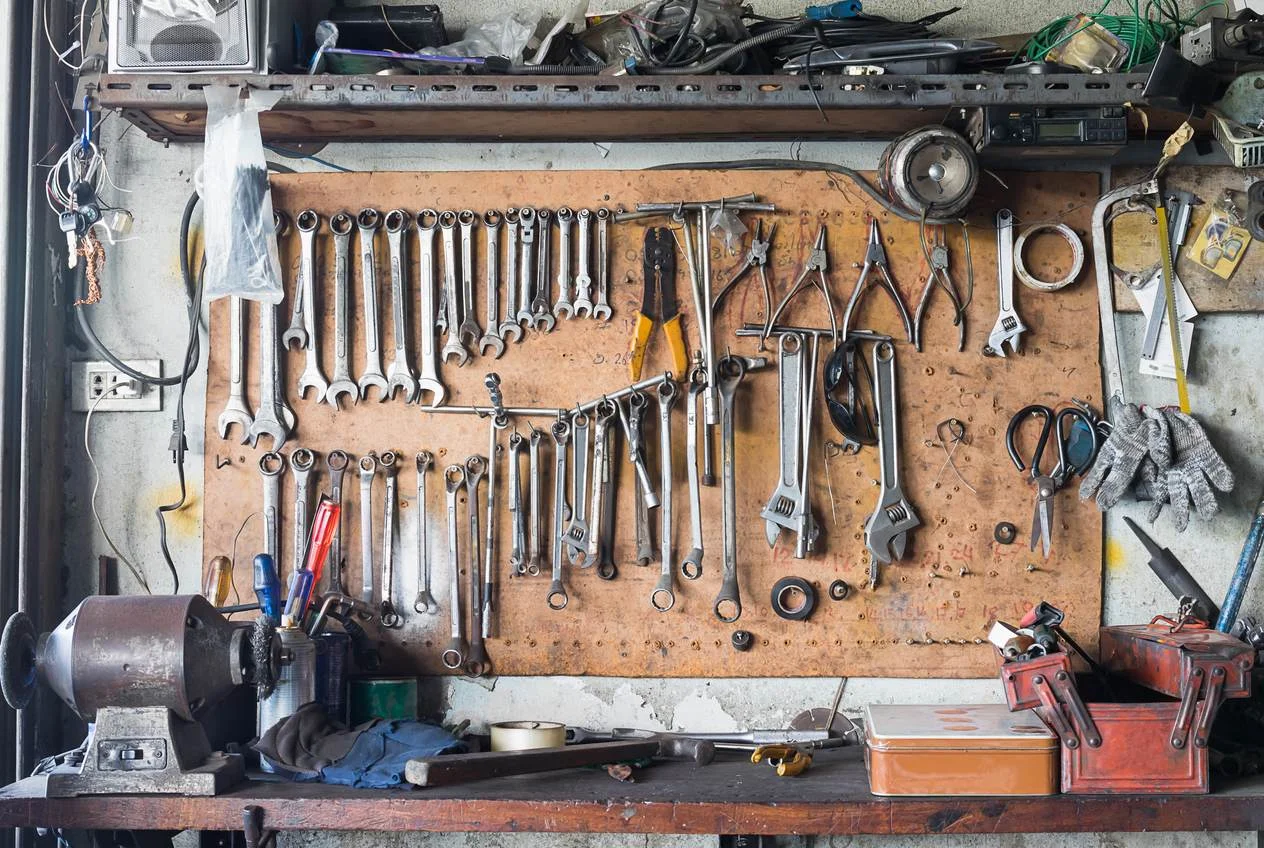
Tools and equipment coverage follows your property. It responds when your gear is damaged, stolen, or destroyed at a jobsite, in transit, in a vehicle, or in temporary storage. Covered causes of loss typically include theft, fire and smoke, vandalism, accidental damage in transport, weather events on open-peril forms, and collision while in transit.

Hand & power tools

Blanket limit

What it pays for

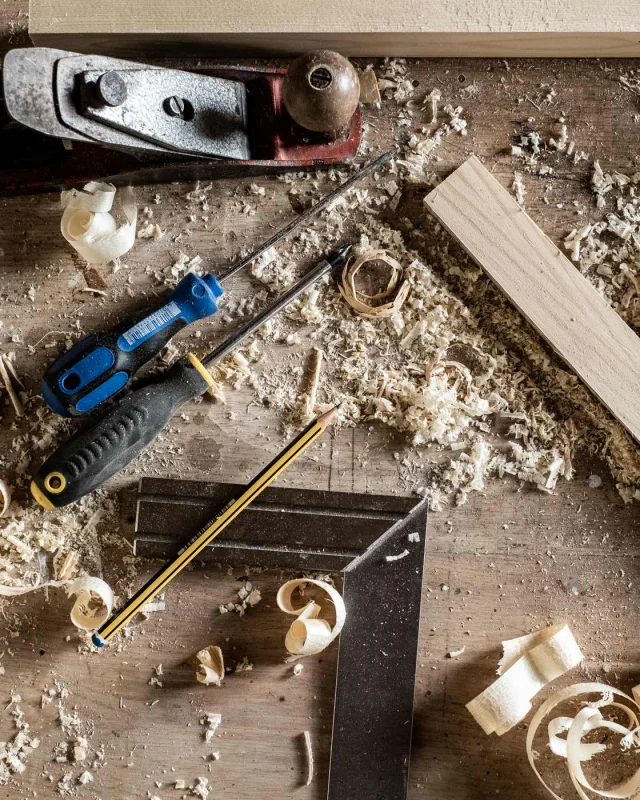
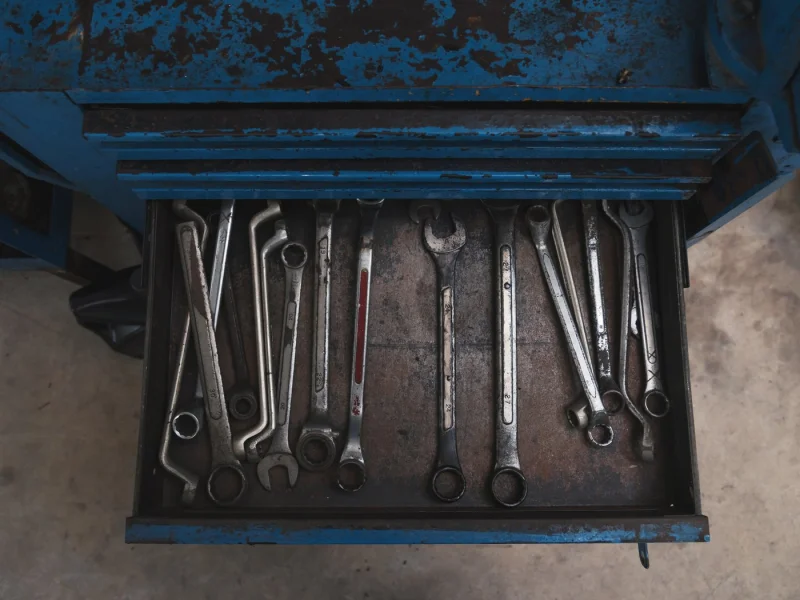
Drills, saws, nailers, grinders, and the everyday tools carried in your vehicle

Common example

A packed tool bag stolen from a locked van overnight

Heavy equipment

Scheduled

What it pays for

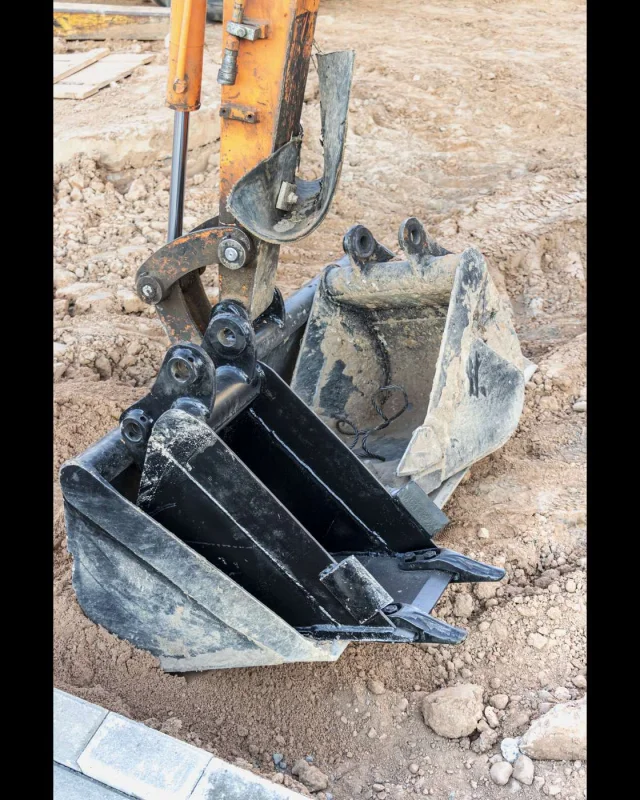
Excavators, skid steers, compactors, and high-value machinery listed individually

Common example

A skid steer damaged when a trailer overturns in transit

Leased & rented equipment

Where included

What it pays for

Equipment you rent or lease for a project, on forms that extend to it

Common example

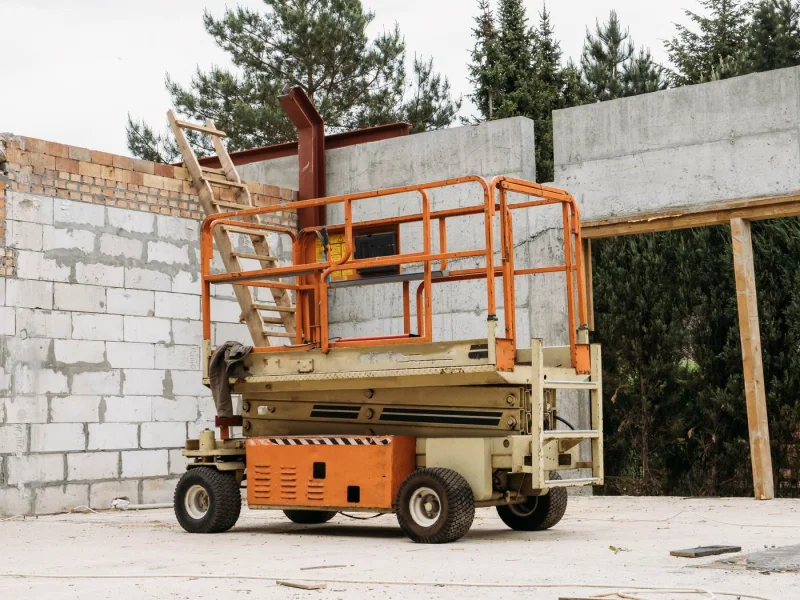
A rented lift destroyed by fire at the jobsite

Employee-owned tools

On some forms

What it pays for

Tools your crew owns and uses for business purposes

Common example

A foreman’s personal tools taken from a company truck

Materials & supplies

In transit / on-site

What it pays for

Materials and supplies while being transported or staged on-site

Common example

Copper pipe stolen from a staging area before install

The Inland Marine Connection

The insurance industry calls this coverage "inland marine" for historical reasons — a category built specifically for property in transit or temporarily off-premises. Inland marine insurance explained covers the background in full. It's the same policy structure whether your broker calls it tool insurance, an equipment floater, or contractor's equipment coverage.

How Coverage Is Structured

Three Choices That Shape Your Policy

Tool and equipment coverage looks simple, but a few structural decisions determine what you actually get back at claim time.

Scheduled vs. blanket

High-value machinery is typically scheduled individually for precise coverage, while smaller tools sit under a single blanket limit. Most contractors use a mix of both.

Replacement cost vs. actual cash value

ACV depreciates older tools — a five-year-old drill worth $400 might pay out $150. Replacement cost pays what it actually costs to replace the item. The premium difference is usually modest and worth paying.

Named-peril vs. open-peril

Named-peril forms cover only the causes of loss they list. Open-peril forms cover everything except stated exclusions — broader protection, and what we recommend for most trades.

Who It Is For

Who Needs Tool Insurance?

Any business that moves tools or equipment between locations carries the exposure. That’s most trades and field service businesses.

01

General contractors

Managing multiple subcontractors and jobsites means high-value equipment spread across locations at any given time.

02

Electricians, plumbers, and HVAC contractors

Daily vehicle loads of tools represent thousands of dollars of exposure on every service call.

03

Roofers and structural trades

Heavy equipment, scaffolding, and specialty tools carry high replacement costs in a hazardous jobsite environment.

04

Landscapers and groundskeepers

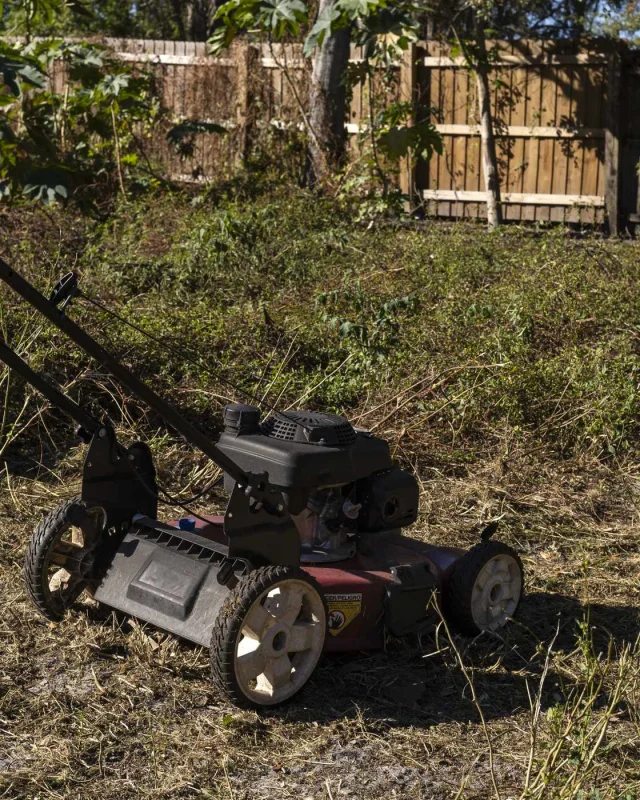
Mowers, blowers, and trailers left at sites overnight are a consistent theft target.

05

Cleaning and restoration contractors

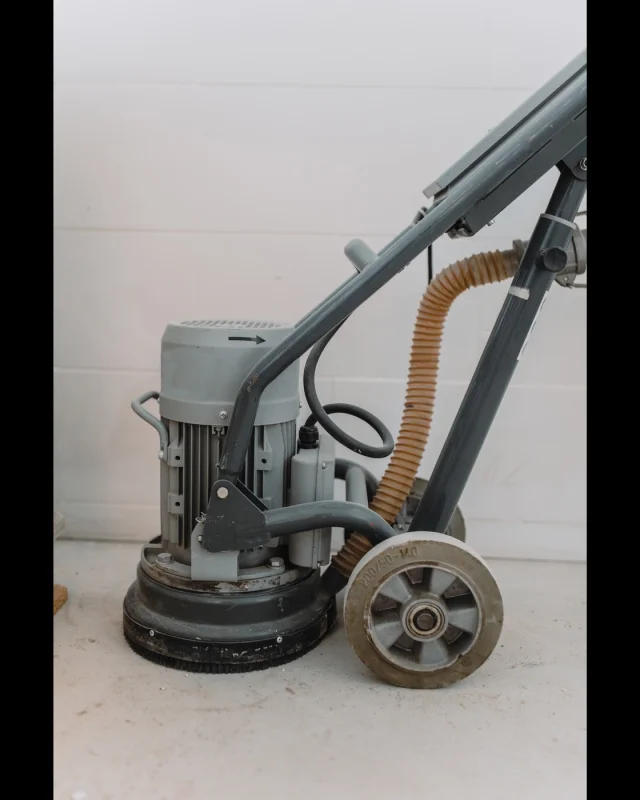
Specialized equipment used at client premises is typically not covered by a standard commercial property policy.

06

Independent tradespeople

Solo operators often underestimate their tool inventory until it’s stolen. A loaded trade van can easily exceed $15,000 in replacement cost.

For a full coverage overview built around the trades, see our construction and contractors industry page.

What Tool Insurance Doesn’t Cover

These exposures fall outside a tools and equipment policy and need separate coverage.

Third-party injury or property damage

What you need instead

General liability coverage

Employee injuries on site

What you need instead

Workers compensation

Tools at your fixed premises

What you need instead

Commercial property coverage

Business vehicles in an accident

What you need instead

Commercial auto policy

Lost income after a covered loss

What you need instead

Business interruption coverage

Mechanical breakdown or wear and tear

What you need instead

Equipment breakdown policy

The structure being built

What you need instead

Builder’s risk insurance

Fine Print

Key Exclusions to Know

Three exclusions account for most of the surprises contractors hit at claim time.

01

Wear and tear

Gradual deterioration, mechanical breakdown, and maintenance issues are excluded from every standard policy. Only sudden, unexpected physical loss or damage is covered.

02

Unattended vehicles

Many forms exclude theft from an unattended, unlocked vehicle, or require tools to be in a locked compartment. If your crew leaves tools in open truck beds overnight, confirm your form covers it.

03

Your own liability

Tools and equipment coverage pays for your gear. It does not pay for what your gear does to someone else’s property or person.

If your equipment damages a client’s property or injures a third party, that’s a general liability claim, not a tools and equipment claim.

Pricing

How Much Does Tool Insurance Cost?

Tool and equipment insurance is one of the most affordable business policies. Small contractors typically pay around $14 per month — roughly $170 per year — for coverage on tools valued under $10,000. Premium scales with the value of equipment insured, generally 1.5% to 12% of total insured value annually.

01

Total insured value

How it affects premium

The primary driver; premium scales with the replacement cost of equipment

02

Deductible

How it affects premium

A higher deductible reduces premium significantly

03

Trade type

How it affects premium

Higher-theft or higher-damage trades pay more

04

Replacement cost vs. ACV

How it affects premium

Replacement cost coverage costs more but pays more at claim time

05

Storage and security

How it affects premium

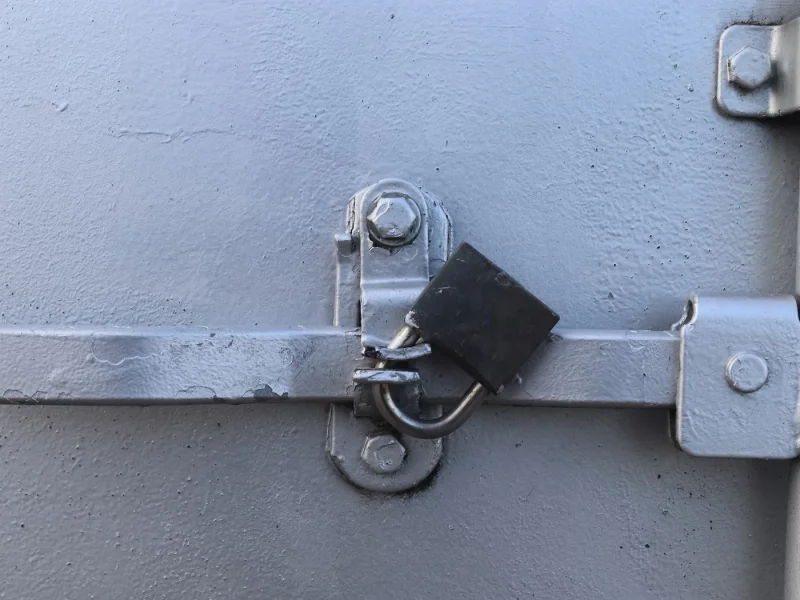
Locked storage, GPS tracking, and alarm systems can lower rates

06

Claims history

How it affects premium

Prior equipment theft or loss claims affect renewal pricing

07

Scheduled vs. blanket coverage

How it affects premium

Scheduling high-value items individually gives more precise coverage

For context: a contractor with $50,000 in equipment might pay $125 to $200 per month; one with $10,000 in tools might pay $15 to $30. The only accurate figure is a quote for your specific inventory.

How Tool Insurance Works at Rosella

Tool and equipment coverage looks simple on paper. In practice, the form matters — policies differ on whether theft from an unattended vehicle is covered, whether rented equipment is included, whether the form is named-peril or open-peril, and whether high-value items need to be individually scheduled. Most contractors don’t find out about these differences until they file a claim.

Service: Certificates of insurance are delivered in under two minutes, any time of day. Claims go to a real person who knows your file.

01

We review the policy wording before you bind

We read the form against how your business actually operates, so the coverage matches your real exposure instead of a generic template.

02

We flag coverage gaps against your operation

Theft from a locked vehicle, rented equipment, open-peril versus named-peril — we confirm the form covers the scenarios your crew actually runs into.

03

We submit across 100+ carrier portals

We find the carriers with appetite for your trade and equipment profile and bring back the best form at the right price.

A roofing contractor with $80,000 of heavy equipment needing scheduled, replacement-cost, open-peril coverage; a plumbing company needing tools in locked vehicles explicitly covered after a prior break-in claim — we confirm the form covers it before binding.

Frequently Asked Questions

Get a quote

Tell us about your tools, equipment, and how your crew operates, and we’ll come back with real carrier options for your trade.

GET STARTED

Protect the Tools Your Business Runs On

Whether you’re insuring a van full of hand tools or scheduling $80,000 of heavy equipment, we can place coverage that follows your gear wherever the job takes it.