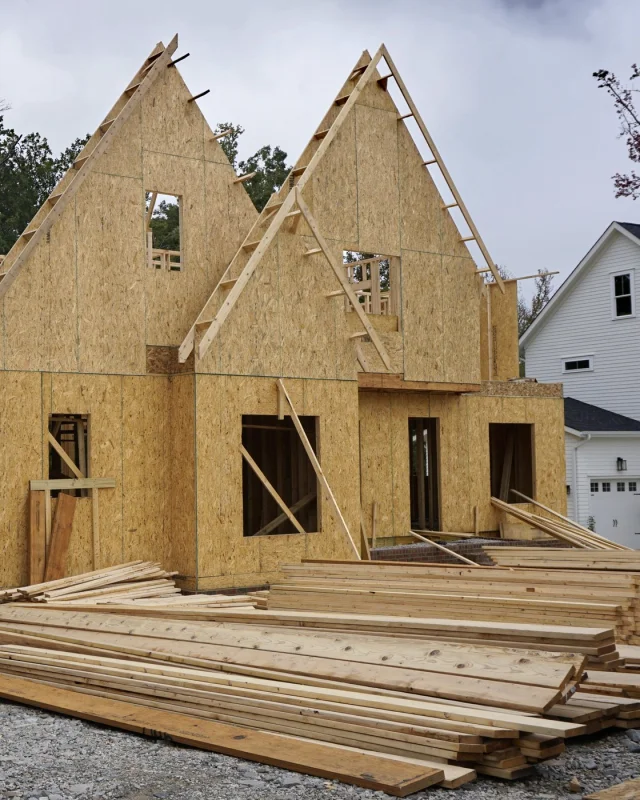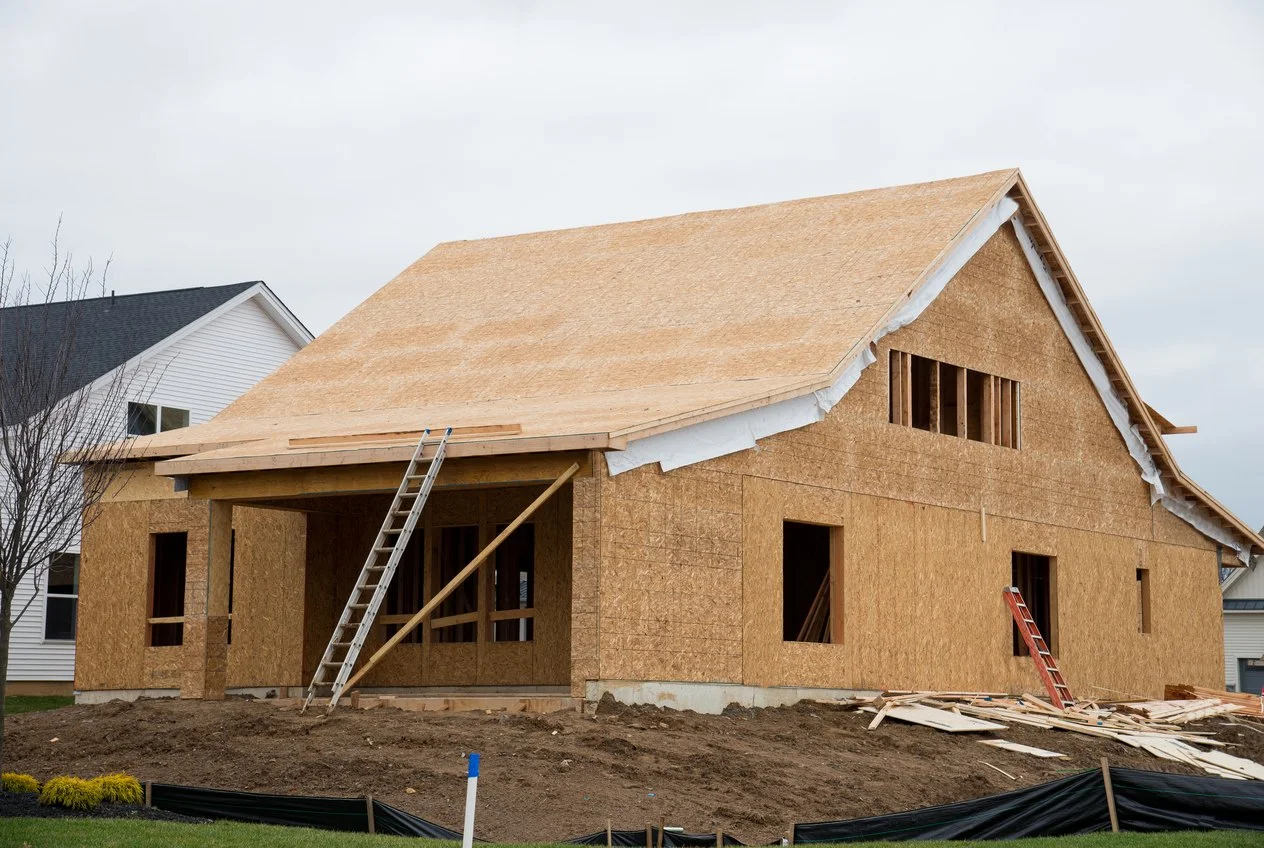
Two-story house sheathed in OSB with ladders against the porch and a finished neighbor behind

Home builders insurance

Home builder insurance combines general liability, builders risk on the structure under construction, workers compensation and completed-operations cover for defect claims that surface after handover. Most lenders require builders risk before drawdown. This is builders insurance for established firms closing homes every month, where each house starts as an empty lot and the liability outlasts the sale.

Talk to an expert

Get a quote

Core coverage

What a home builder's program is built from

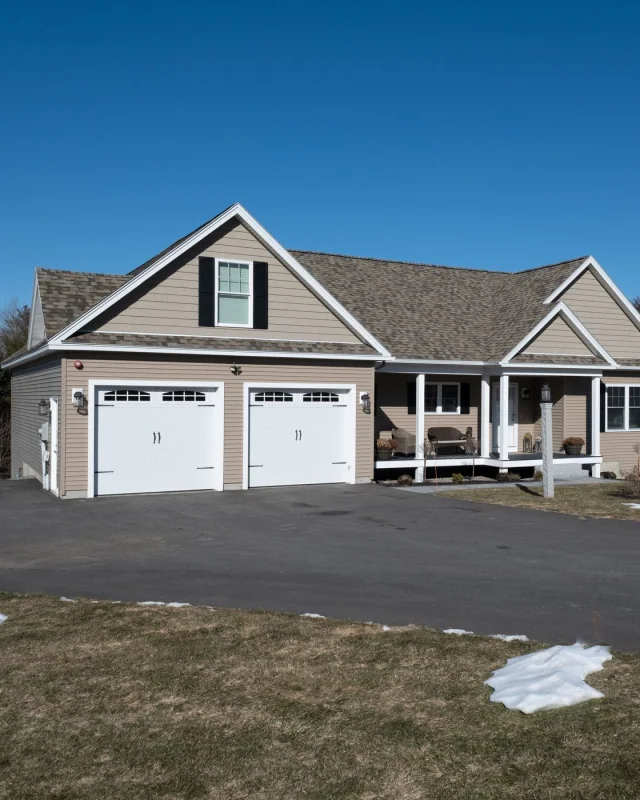
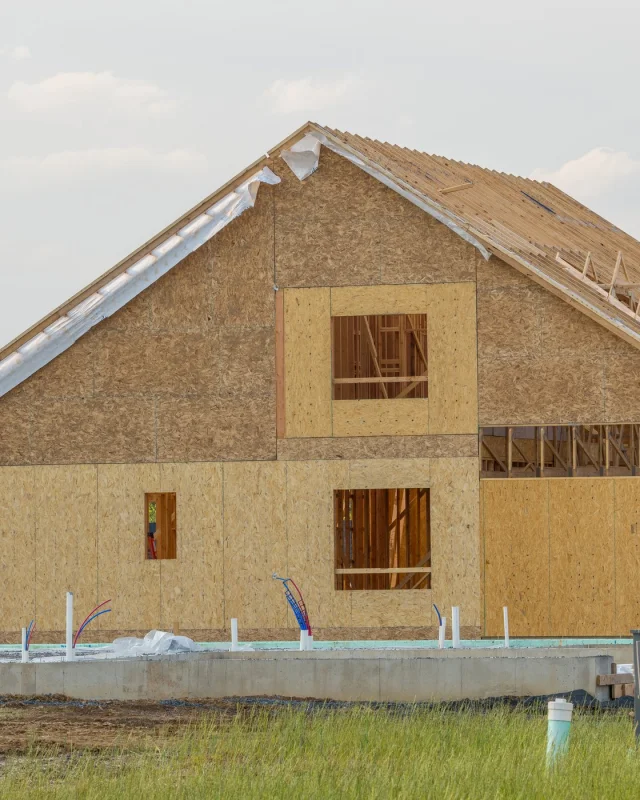
Two policies carry the weight, and they face opposite directions in time. Builders risk protects the house while it is going up. General liability, through its completed operations hazard, answers for that house for years after somebody else owns it.

01Carries the weight

Builders risk. The structure, before it is a house.

Direct physical loss to the home under construction and the materials on site waiting to go into it: fire, wind, theft of installed fixtures, vandalism of an open frame. Usually written on a completed value form, so the limit is set at the finished value from day one. It is often the first policy a construction lender asks to see.
02Carries the weight

General liability. The years after closing.

Third-party injury and property damage arising from your operations and, under the products-completed operations hazard, from homes you have already sold. That hazard carries its own aggregate limit, separate from the general aggregate, and on a builder's book it is the one doing the work.

03Fills a gap

Workers compensation

For your own superintendents, carpenters and laborers. Comp is rated on payroll by class code, and a builder who self-performs framing sits in a heavier class than one who only manages the trades.

04Fills a gap

Commercial umbrella

Lenders, land sellers and community associations can ask for limits above what a primary policy carries alone. An umbrella or excess layer raises the ceiling over general liability, auto and employers liability together.

05Fills a gap

Contractor's equipment

Written as inland marine. Generators, laser levels, compactors and the site trailer move from lot to lot, and a commercial property policy stops at your own premises.

06Fills a gap

Commercial auto

Superintendent trucks, trailers moving materials between communities, and hired and non-owned auto for staff who drive their own vehicles between sites.

07Fills a gap

Contractors professional liability

Production builders with an in-house plan library or a design studio carry an advice exposure as well as a building one. General liability is written around injury and property damage, not an error in a plan that was repeated across forty homes.

The handoff between those two is where builders can lose cover: builders risk ends when the home is complete or occupied, and from then on general liability is the only policy left answering for it. Our brokers can set the two side by side, along with the limits an umbrella layer adds, and fit them inside the wider construction program where you also build for other owners.

Your homes

Four ways to build a house, four ways to insure one

Most established builders run two or three of these at once. The file is rated on the share of each and on the heaviest of them, so pick where the bulk of your starts sit.

Spec homes

You own the land, you own the house, and you own the risk until closing. There is no client contract to pass anything to, so every policy on the file is yours and the lender's interest sits on top of all of them.

What the underwriter wants to seeHomes under construction at once, average completed value, and how long a finished home usually waits for a buyer
Where the claim comes fromFire or theft on an unsold home, vandalism of a finished but empty house, defects raised by the first buyer
What the forms needBuilders risk with the lender as mortgagee, a reporting form across many starts, cover for completed homes not yet sold
Watch forMost builders risk forms end at completion or occupancy. A finished spec home waiting months for a buyer can sit in the gap between builders risk and a property policy nobody bought.Talk to a broker about this

Build-to-rent communities and model homes are usually underwritten close to production work. Townhomes and condominiums are a separate placement, because many residential builder forms exclude attached units outright.

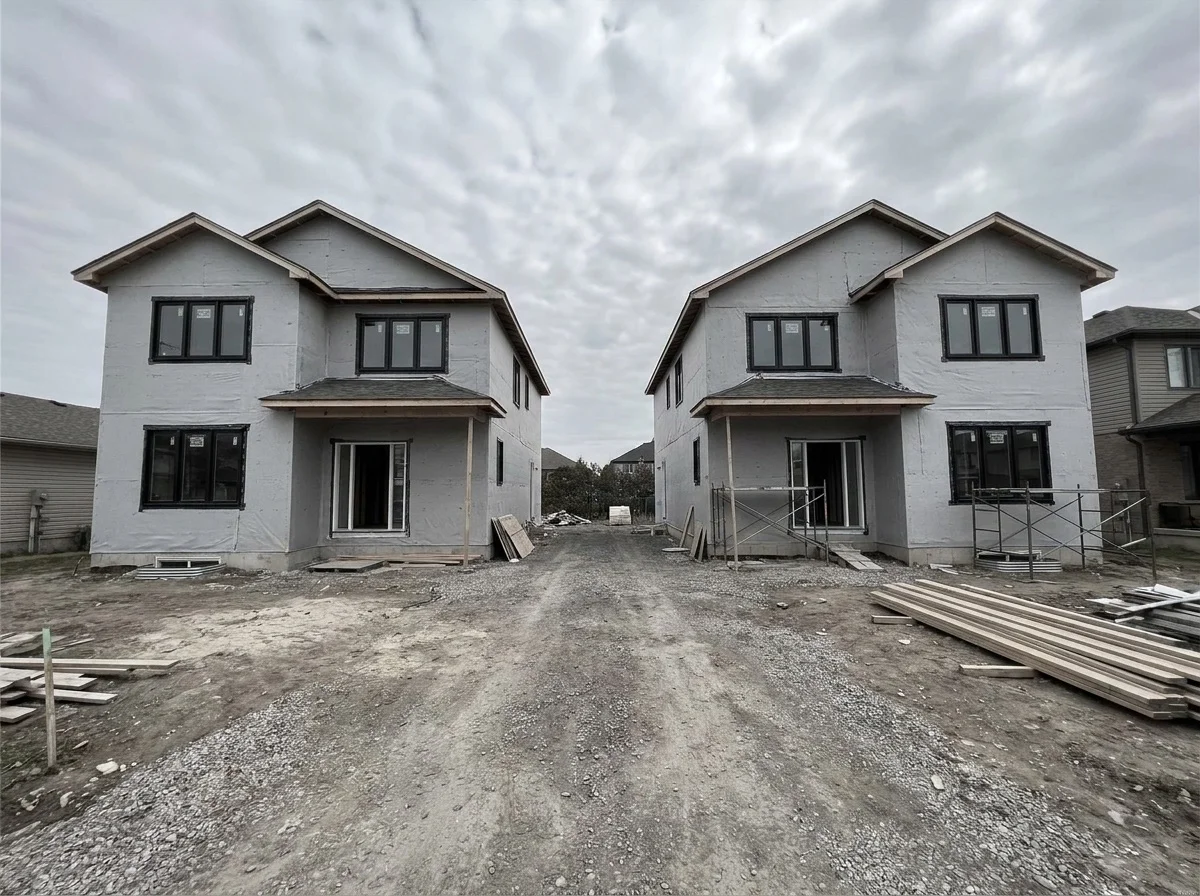
Two new homes wrapped in house wrap on a gravel lot under an overcast sky

What a builders risk claim does and does not pay

Builders risk is property insurance on something that does not exist yet. It pays for direct physical loss to the structure and the materials going into it, at the value they had reached when the loss happened. What it generally will not do is pay for the build going wrong, for the calendar slipping, or for anything after the keys change hands.

Where the line usually falls:

Covered: A windstorm that tears sheathing off a framed house and soaks the subfloor. Subject to the form and its deductibles, that is direct physical loss.

Not covered: Replacing framing that was installed out of tolerance. Faulty workmanship is excluded on most forms, though damage it goes on to cause elsewhere in the house may still be covered.

Covered: Copper, appliances and windows stolen from a locked home before closing, where the form's theft and security conditions are met.

Not covered: Interest on the construction loan while a burned frame is rebuilt. That is a soft cost, generally paid only where soft cost or delay cover is on the policy.

So the builders risk schedule deserves the same reading as the liability one. The lender reads it first for its own name as mortgagee or loss payee. You should read it for the termination clause, the theft conditions and the soft costs. The liability half of the program carries the claims that arrive later, and it is worth knowing how a general liability policy is put together before the first home in a new community closes.

The gaps

Where a home builder's program stops

Eight gaps that turn up on residential builder schedules. Several are not in the standard form at all: they arrive by endorsement, and they decide more than the limit does.

Work your subcontractors performed

WHAT YOU NEED

The subcontractor exception to the your-work exclusion, kept in the form. Many residential policies remove it by endorsement, and for a builder who subs out most of the house that removal hollows out completed operations.

Earth movement and subsidence

WHAT YOU NEED

A liability form written without the exclusion, or a soils report the carrier accepts. It is a common addition to a residential builder's policy.

Water intrusion and mold

WHAT YOU NEED

The endorsement wording itself, not the summary. Some forms exclude water entering through the building envelope entirely, a common starting point for a residential defect claim.

Flood and earthquake on the build

WHAT YOU NEED

Sublimits or separate cover on the builders risk. Both are often excluded or capped on the base form, and a lender may require them by zone.

Homes closed before this policy

WHAT YOU NEED

A form with no prior completed work exclusion, or a carrier that picks up past closings. Switching carriers with that exclusion attached can leave years of sold homes with nothing behind them.

Delay and extra financing costs

WHAT YOU NEED

A soft cost or delay in completion endorsement on the builders risk. Without one, a covered fire can pay to rebuild the frame and nothing for the months of loan interest.

Your home warranty promises

WHAT YOU NEED

Nothing on the liability side. A warranty is a promise you wrote; general liability answers for property damage, not for keeping a promise to fix. Structure the warranty program on its own.

Townhomes and condominiums

WHAT YOU NEED

A separate placement. Many residential builder forms exclude attached and multifamily units, so a first townhome phase has to be declared before you break ground.

Check the first card on your current schedule today. It is a single endorsement, and on a builder's book it decides most of what completed operations is worth. Speak to our team about it, and about comp for the crews you employ directly as more of the framing moves in house.

Lot to repose

Liable for a house before it exists and after you sell it

Most commercial insurance covers something that is already standing. A home builder's exposure runs the other way: it starts on an empty lot, grows with every load of framing, and outlives the sale by years. Three stages, and the cover changes as each one ends.

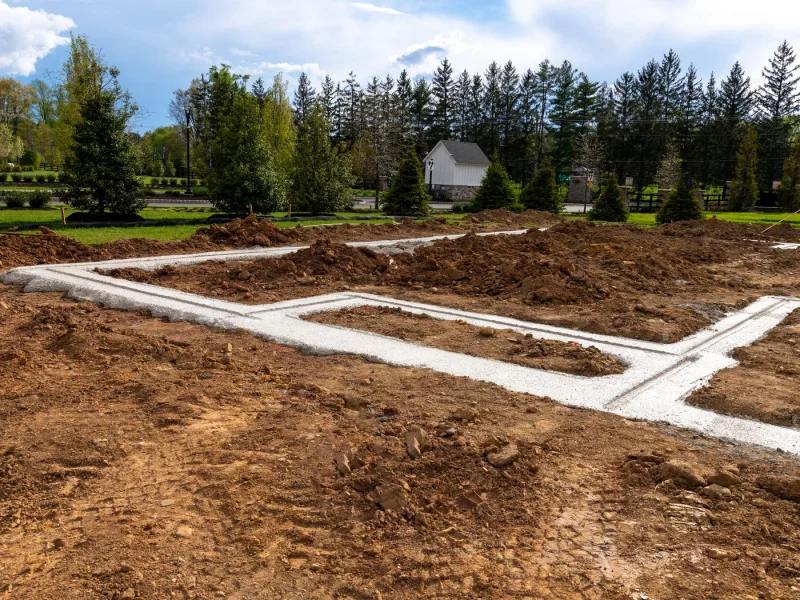
Concrete footings poured on a cleared residential lot

Before the first draw: the lender's question

There is no building to insure yet, only a lot and a loan. A construction lender will generally not release the first draw until builders risk is bound with its interest noted, usually as mortgagee or loss payee, and the limit set at the completed value of the home. On a spec home that policy is yours. On a custom home the contract decides whose it is.

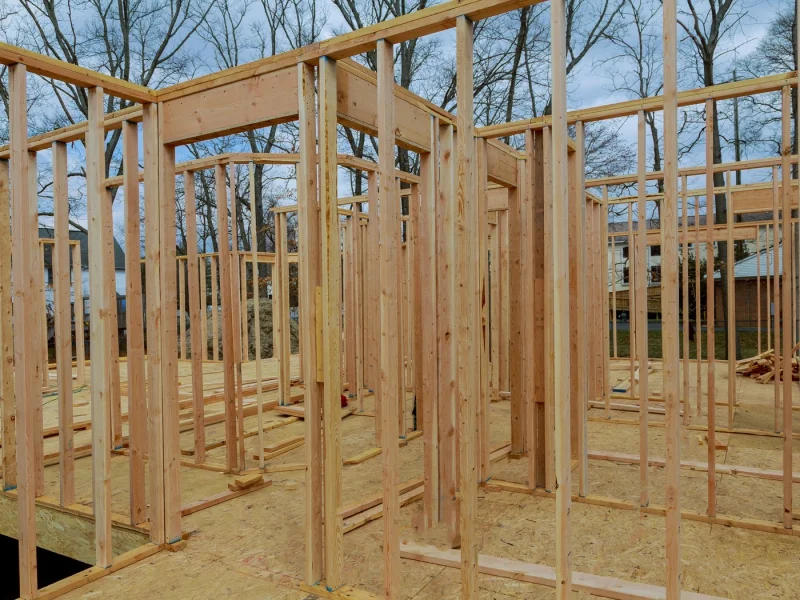
Stud walls of a house frame standing on the subfloor

Under construction: a value that rises every week

A framed house is worth more than a slab, and a dried-in house more than a frame. A completed value form insures the finished value from the start; a reporting form follows values as homes start and close, and suits a builder running many starts at once. Either way the cover ends at completion, occupancy or sale, whichever the form names.

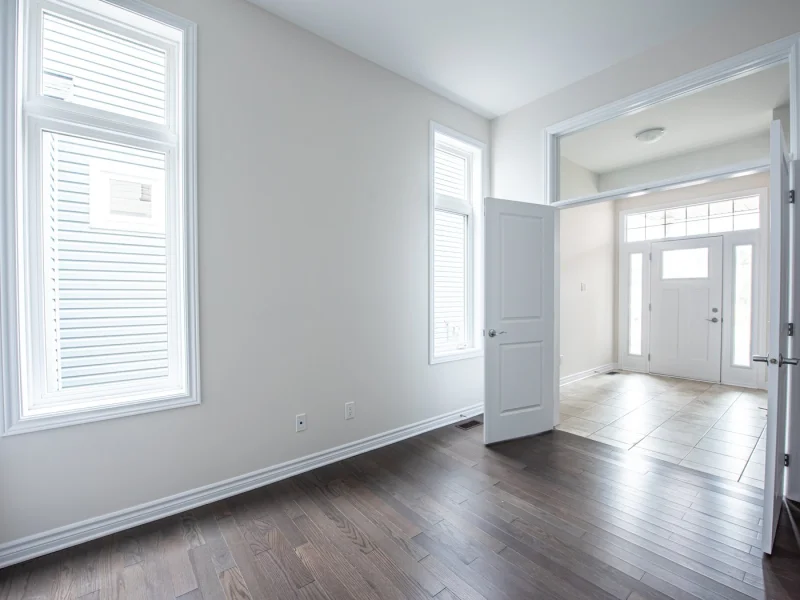
Empty room in a newly finished home looking through to the front door

After handover: the defect tail

Once the keys change hands, builders risk is gone and the completed operations hazard of your liability policy carries the house. Defect claims can arrive years later, bounded by each state's statute of repose: ten years for latent defects in California and Texas, and seven in Florida since 2023. An occurrence policy generally answers when the damage happens, so cover has to keep running long after the work stops.

That last stage is why a builder who winds down an entity, or stops building in a state, still needs a policy behind every home closed there, and discontinued operations cover exists for that. Many states also require notice and a chance to repair before a homeowner can sue, California under SB 800 and Texas under its Residential Construction Liability Act. Set your repair process, and the builders risk coverage your lenders review, before the first start rather than after the first claim.

Speak to our team

Program check

What does your building program involve?

A builder's program is set by how you build, not only by how much. Tick what applies and the cover each line implies lists itself alongside. It prices nothing and sends nothing anywhere.

What your schedule should carry

No lines selected yet. Pick the ones that describe your starts and the matching cover appears here.

Take this list to the next renewal meeting, ideally before the next community breaks ground. Most of it is wording, and wording is easiest to change before the first home is framed.

Speak to our team

Cost

How much does builders insurance cost?

There is no per-home number worth publishing. Six inputs move a residential builder's program more than the rest, and two of them sit on the builders risk rather than the liability side.

01

Completed values and starts

Builders risk is rated on the value of the homes under construction, so the number of starts and their finished values set its base. Construction type and fire protection near the site move it from there.

Effect on premium
02

Closings and the states behind them

Liability on a builder's book is driven by homes already sold. Carriers look at how many you close, in which states, and how long those states keep a defect claim open.

Effect on premium
03

Self-performed payroll

Comp follows payroll by class. Framing and roofing done in house rate heavier than running a site where the trades bring their own crews.

Effect on premium
04

Trade contracts and certificates

Indemnity and additional insured wording in every trade contract, and certificates on file before work starts. A builder who can show the paper is read differently from one who cannot.

Effect on premium
05

Soils, flood and catastrophe zones

Where you build reaches both halves of the program: earth movement on the liability side, wind, flood and earthquake on the builders risk.

Effect on premium
06

Loss history and how you handle warranty calls

Five years of loss runs where they exist, plus your repair process. Underwriters read a documented process as evidence that a warranty call tends to stay a warranty call.

Effect on premium

Three marks means the input tends to move a home builder's program further than the others shown. It is a relative guide to how residential underwriters read a file, never a rate or a quote.

Where that leaves a builder

Two builders with the same revenue can land a long way apart, because one closes forty custom homes in a mild climate and the other closes four hundred production homes on expansive clay. Talk to an expert and we will come back with terms built on your starts, your closings and your states.

Talk to an expert

Process

How a placement works

We understand your business first, then take it to the carriers who want to write it. An advisor walks you through the options and what they cost. No two files are the same, so what follows is the shape of a placement rather than a script.

  1. Loss runs and a payroll schedule spread on a desk beside a calculator and laptop

    We understand the business first

    What you do, where, with how many people, and what your contracts oblige you to carry. Those answers decide which markets will look at the file at all, and how much of the rest of this applies to you.

  2. Brokerage desk with a monitor in morning light

    We match it to the carriers who want to write it

    One set of information goes to underwriters with genuine appetite for your work rather than whoever happened to quote last renewal. An advisor talks you through what comes back and what it costs.

  3. Stamped certificate on a clipboard with a pen and a magnifier

    After bind, certificate requests read against your contract

    A client or a lender wants proof before your crew can start, and this is how COIs get issued here. We read the certificate request against your contract, so the endorsements the contract needs are requested on the policy and the certificate reports what the policy provides, rather than a generic endorsement that may fail the review.

Almost always. A construction lender will generally require builders risk before the first draw, with its interest noted as mortgagee or loss payee and the limit at the completed value of the home. The lender's requirements letter spells out what it wants, and it is worth reading before the policy is bound rather than after.

Whoever the contract names. On a spec home it is the builder, because the builder owns the property. On a custom home it can go either way, and what matters is that both parties are insured under it, so a carrier that pays one generally cannot turn around and pursue the other.

At the point the form names, typically completion, occupancy, sale or the end of the policy term, whichever comes first. A finished home that has not sold may no longer be covered, so a spec builder needs to know exactly where that line sits on each policy.

Generally until the statute of repose in that state runs out: ten years for latent defects in California and Texas, and seven in Florida. Statutes of limitation, warranty terms and right-to-repair procedures sit alongside it, so the full answer depends on the state and on your purchase contract.

The part of a general liability policy that responds to injury or property damage arising from work you have finished and handed over. It carries its own aggregate limit. For a home builder it is the cover that answers a defect claim on a home closed years earlier.

It can cover the property damage a defect causes, subject to the form and its endorsements. It generally does not pay to put the defective work itself right, and endorsements that remove the subcontractor exception or exclude water intrusion or subsidence can narrow it a long way. Read those before you read the limit.

Yes, for the homes already closed. An occurrence policy responds to damage when it happens, so a defect that shows up after your last policy lapses can find no cover at all. Discontinued operations policies exist to sit behind a builder who has wound down.

Often not under the same policy. Many residential builder forms exclude attached and multifamily units, and carriers that write them underwrite them separately. Tell your broker before the first attached phase is planned, not once it is framed.

Get started

Cover from the empty lot to the end of the tail.

Tell us how many homes you start, where you build and what your lenders ask for, and we will look for a program that answers for the build and for the years after it.

  • Lender requirements read with you
  • Direct and wholesale carrier access
  • Carriers that write residential builders

This page is general information, not a coverage determination. What your policy covers is governed by its own terms, conditions, and exclusions.

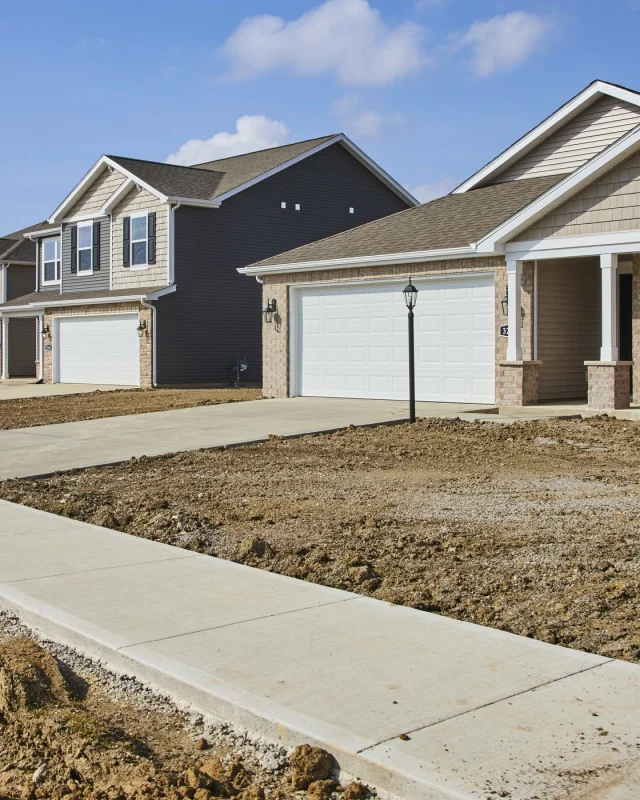
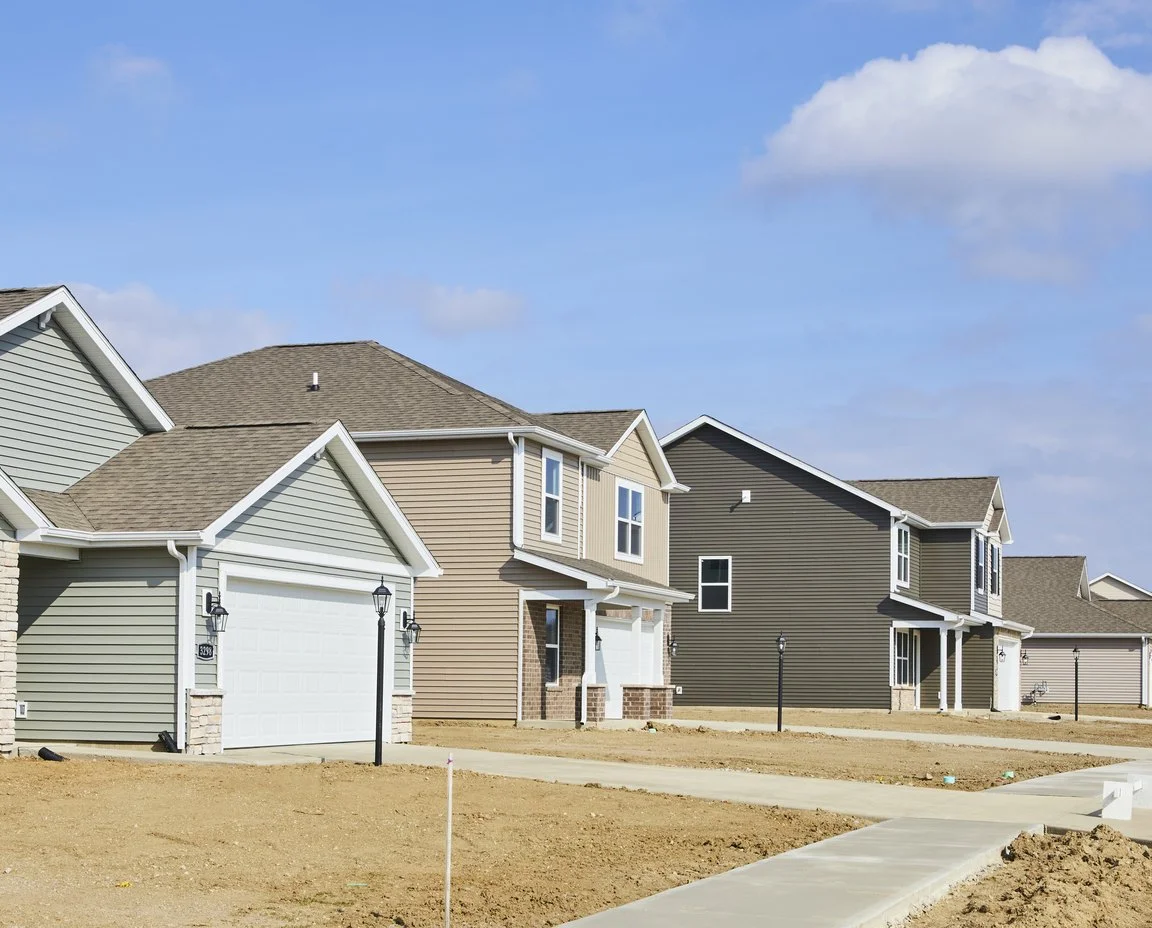
Row of newly finished homes with fresh sidewalks and bare graded lots