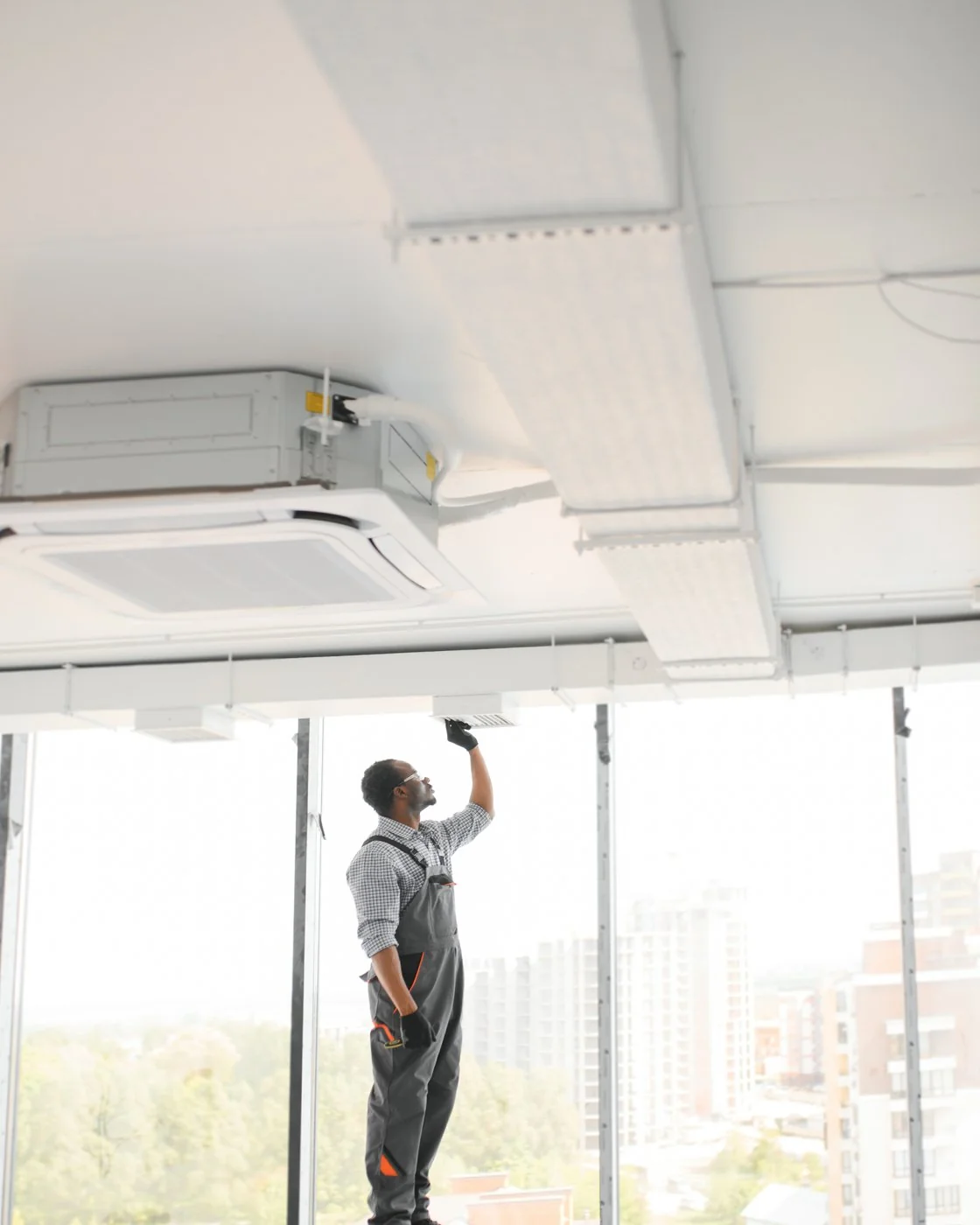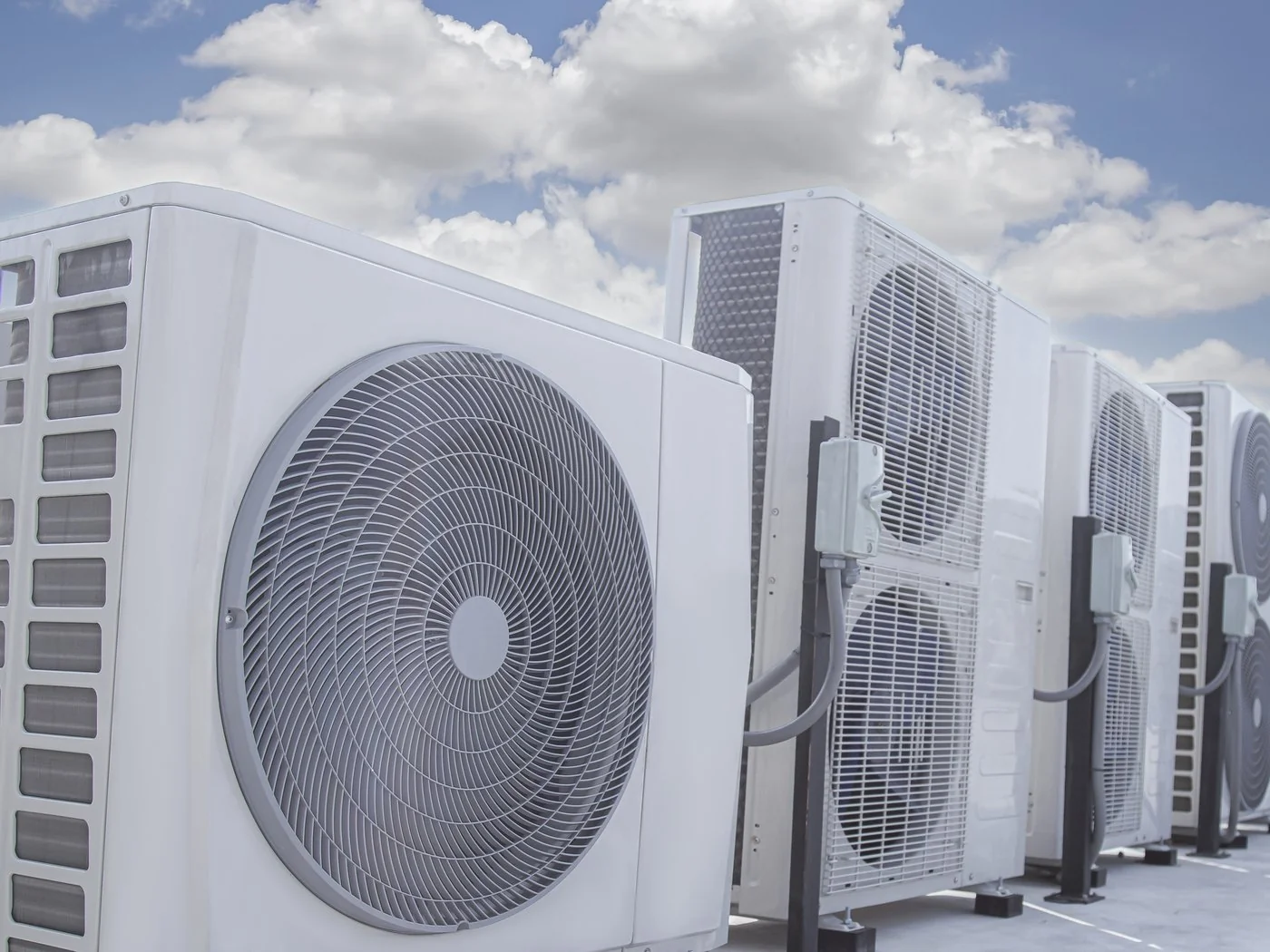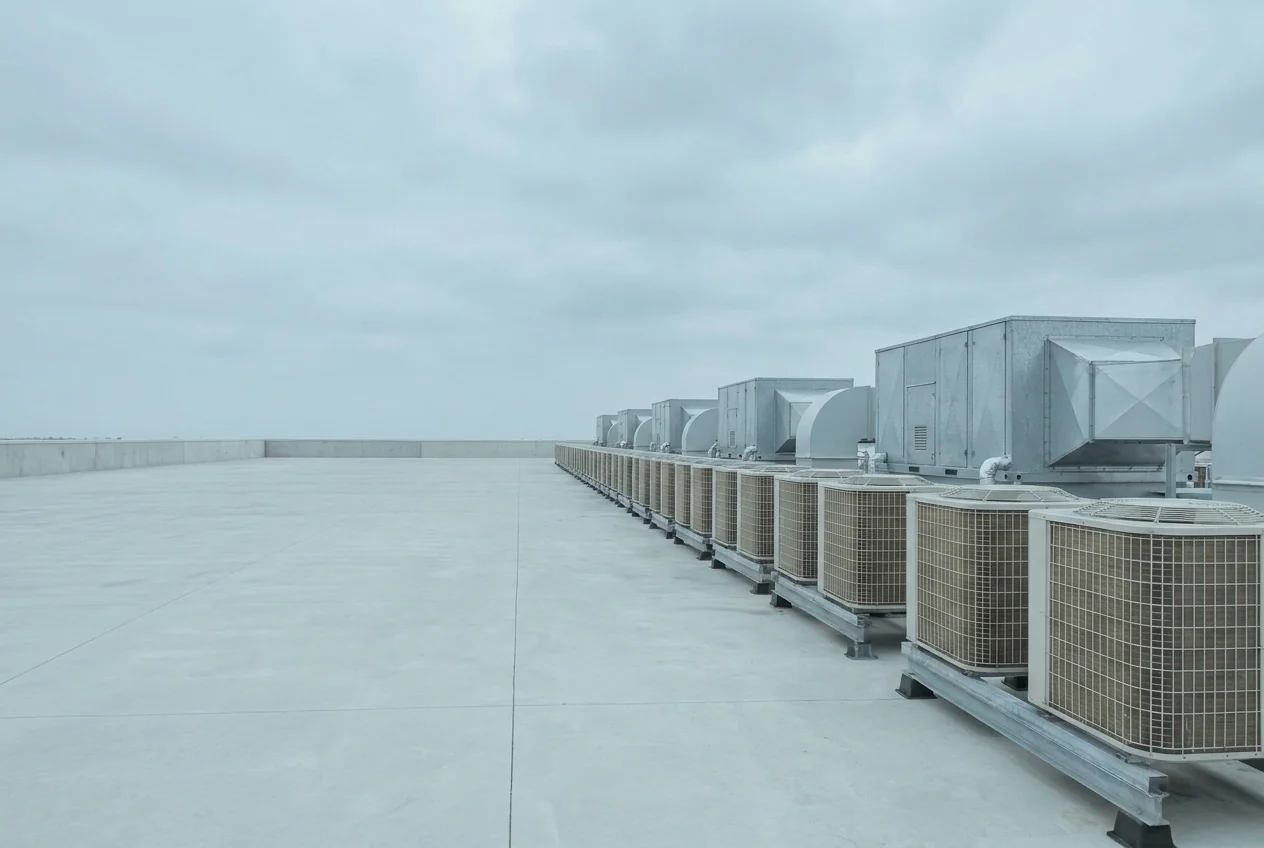
Rooftop packaged HVAC units and condensers on a commercial building

HVAC contractor insurance

HVAC contractor insurance bundles general liability, workers compensation, commercial auto and contractor's equipment cover for heating, ventilation and air-conditioning businesses. Subject to your policy terms, it can respond to third-party injury, property damage resulting from faulty installs, stolen tools and employee injury claims on site.

Talk to an expert

Get a quote

Core coverage

What HVAC contractor insurance covers

Two coverages carry most of the weight. Everything else on the schedule exists to fill a gap one of these two leaves open.

01Carries the weight

General liability. Third parties, and the damage your work does to them.

Third-party bodily injury and property damage arising from your work. A homeowner who trips over your line set, a condensate overflow that ruins a client's ceiling, a compressor that fails and floods a plant room.
02Carries the weight

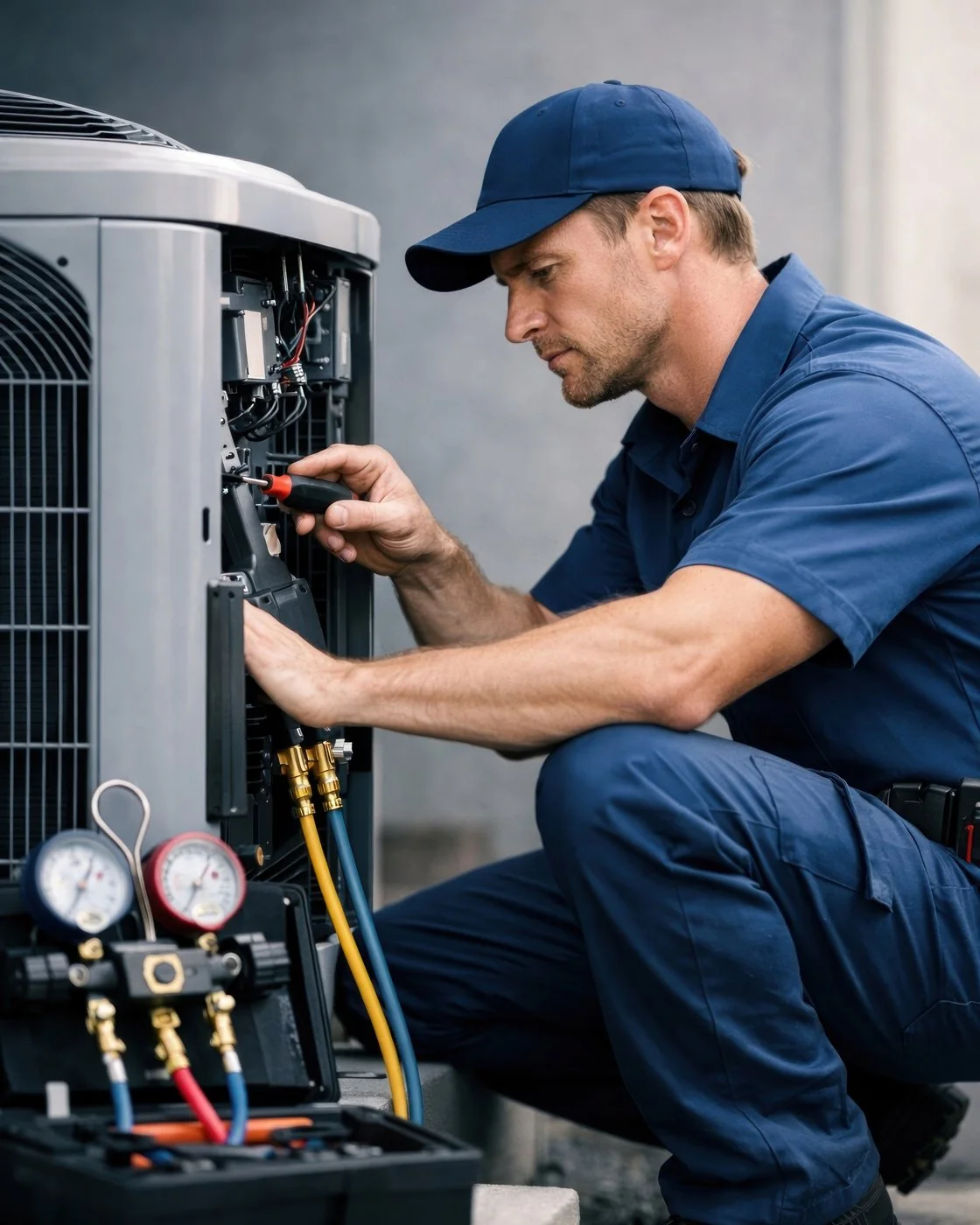
Workers compensation. Your own crew.

Medical costs and lost wages when a tech is injured on the job. In HVAC the severity sits with roof and ladder falls, not with cuts and strains, and your class code drives the rate more than any other single input.

03Fills a gap

Contractor's equipment

Gauges, recovery machines, vacuum pumps, nitrogen regulators. Written as inland marine, because your property policy stops at the building line.

04Fills a gap

Commercial auto

Service vans, plus hired and non-owned auto for your own liability when a tech runs a parts pickup in a personal vehicle. That last one is missed constantly.

05Fills a gap

Installation floater

Covers equipment you have taken delivery of but have not installed yet. A rooftop unit waiting on a crane falls between the supplier, the project's builders risk and your own cover, and on a job with no builders risk in force it is covered by nobody.

06Fills a gap

Contractor's pollution liability

The endorsement that puts refrigerant and combustion by-products back inside the policy. This is where HVAC differs from every other trade.

07Fills a gap

Commercial property or a BOP

The shop, the yard, the stock on the racks. Bundled into a business owner's policy for smaller operations.

Equipment cover is the one contractors most often carry at the wrong limit. Tools get added over years and the schedule never gets updated, so a van cleaned out overnight comes up short. Our brokers reprice cover for the tools themselves against a current inventory rather than carrying last year's number forward, and against the rest of the wider construction program where you run more than one trade.

Your operation

Four HVAC businesses, four different policies

Most HVAC operations run more than one of these, and the mix is what sets the rate and the endorsements. Pick the closest match and we will tell you how an underwriter reads it.

Residential service and replacement

High call volume, small tickets, and your techs inside occupied homes all day. The exposure is not the equipment, it is the house around it and the people in it.

What underwriters askCall volume, number of techs, and how much time is spent inside occupied homes
The claim that shows upWater damage from condensate, carbon monoxide from a venting error, damage to finished surfaces
Endorsements it needsPollution liability with a CO carve-back, care custody and control, hired and non-owned auto
Watch forA combustion appliance you touched is a CO claim waiting on a cold snap. This is the exposure that ends HVAC businesses.Talk to a broker about this

If your revenue split has moved since your last renewal, your policy is probably still rated on the old one. That is worth a conversation before the anniversary, not after it.

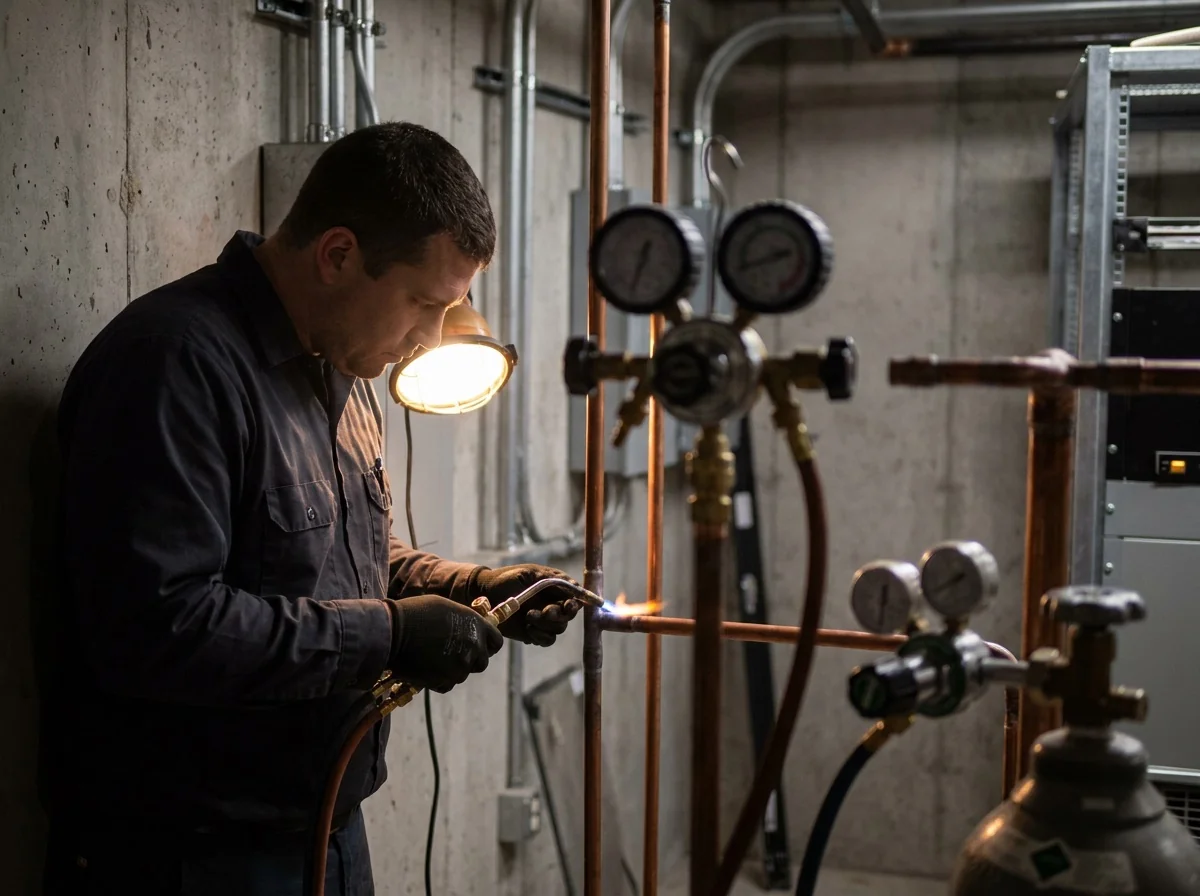
HVAC technician brazing a copper refrigerant line in a plant room

What actually triggers an HVAC claim

This is the part that catches HVAC contractors out, and it is not the exclusions list. It is the difference between your bad work and the damage your bad work caused. General liability does not pay to redo the install you got wrong. It pays for what that install damaged on the way.

Some examples of where the line falls:

Not covered: You braze a joint badly and it leaks. Replacing the joint is your cost.

Covered: That leak runs down through a finished ceiling. Subject to your policy terms, the ceiling is a covered third-party property damage claim.

Not covered: You size a system wrong and the customer demands you swap it out.

Covered: A unit you installed drops off its mounts and injures somebody below. Subject to your policy terms, that injury is a covered third-party claim.

The timing matters as much as the trigger. Most HVAC claims arrive long after the invoice is paid: a heat exchanger that cracks in the first cold snap, a condensate line that blocks in the second summer. Those land against your products and completed operations aggregate, which is a separate limit from your general aggregate and is quietly the one that runs out first on a busy service book. Worth understanding how cover responds after handover before you assume a finished job is behind you.

The gaps

What HVAC contractor insurance does not cover

Knowing the exclusions in advance is considerably more useful than discovering them during a claim. Eight that matter on an HVAC schedule.

Your own faulty workmanship

WHAT YOU NEED

A standard policy will not fix this for your own crew's work. Resulting damage is generally covered, the rework is not, and damage arising out of a subcontractor's work is treated differently. Price rework into the job.

Refrigerant release

WHAT YOU NEED

Contractor's pollution liability. Carriers read the standard pollution exclusion as treating refrigerant as a contaminant, so a discharge usually sits outside a plain GL policy.

Carbon monoxide

WHAT YOU NEED

A CO carve-back or a pollution endorsement. Carriers have argued the pollution exclusion against CO claims, and a bad flue is an HVAC contractor's worst loss scenario.

Customer property in your care

WHAT YOU NEED

Care, custody and control cover. The furnace you removed and put in your van is your responsibility, not the homeowner's.

Employee injury

WHAT YOU NEED

Workers compensation, with employer's liability limits that match what your contracts ask for. General liability covers third parties, and your own crew is not a third party.

Anything involving a vehicle

WHAT YOU NEED

Commercial auto, plus hired and non-owned. General liability stops at the van door.

Tools from an unattended van

WHAT YOU NEED

Equipment cover written with an unattended-vehicle sub-limit you have actually read. Many require forced entry and cap overnight theft below your real tool value.

Load calculations and system design

WHAT YOU NEED

Contractors errors and omissions. If you specified the tonnage, that is professional advice, and contractor GL policies normally carry an endorsement excluding it.

The refrigerant and carbon monoxide cards are the two that separate an HVAC placement from a general contractor placement. Both are fixable at quote stage and expensive to discover later. Speak to our team about which endorsement your work actually needs, and ask about coverage for employee injuries at the same time if you are carrying staff.

Refrigerant transition

What the A2L transition changed

The refrigerant phase-down under the AIM Act moved faster than most policy wordings did. Three things changed for contractors, and only one of them is about the gas.

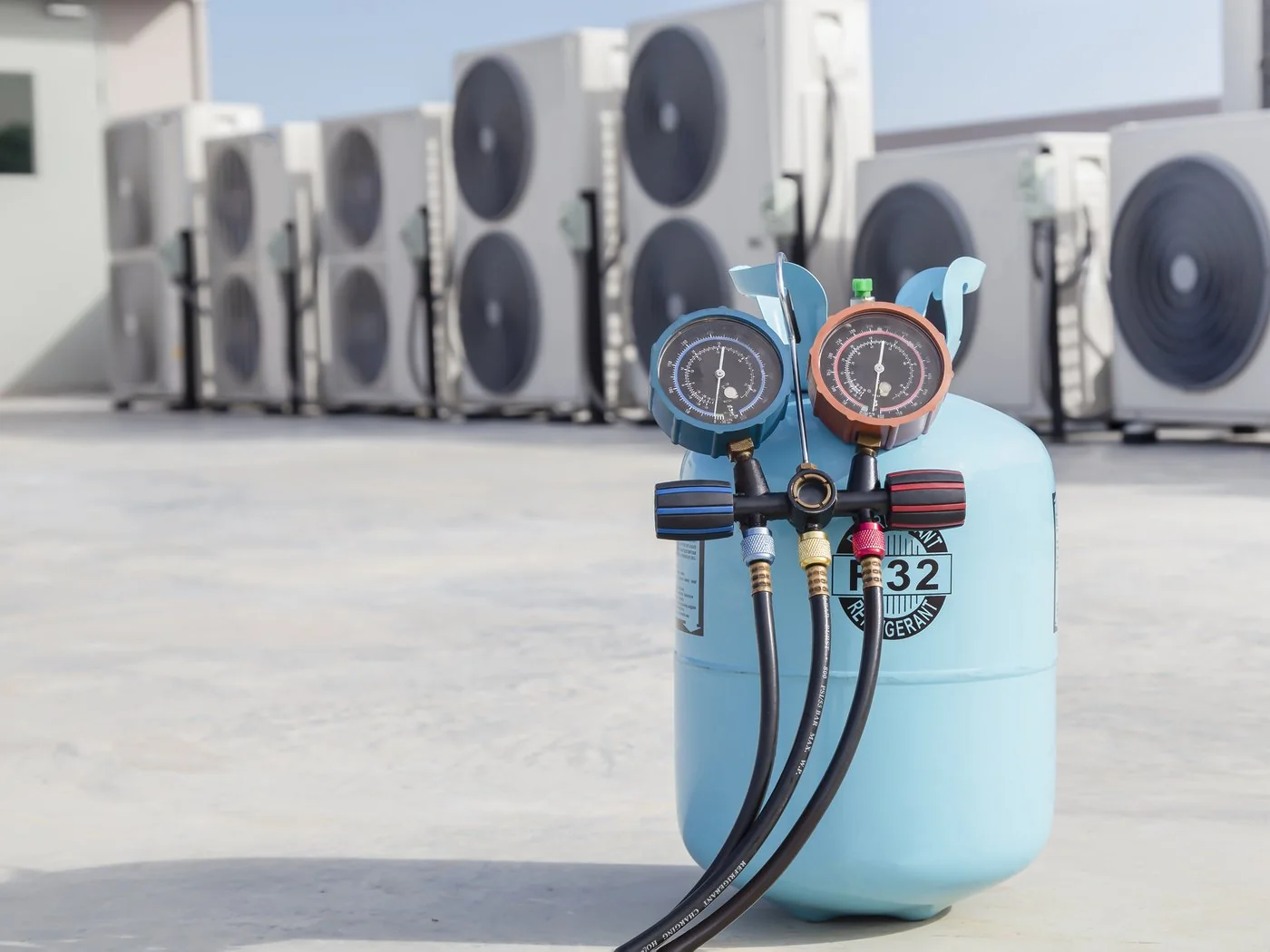
R-32 refrigerant cylinder with a manifold gauge set attached, on a rooftop in front of rows of condenser units

The manufacture deadline has already passed

Manufacturers stopped producing R-410A residential and light commercial equipment from 1 January 2025, so new equipment has had to use a refrigerant at or below 700 GWP since then. EPA removed the matching installation deadline in July 2026, so pre-2025 R-410A stock can still be installed federally. R-454B, at 466, is the common answer.

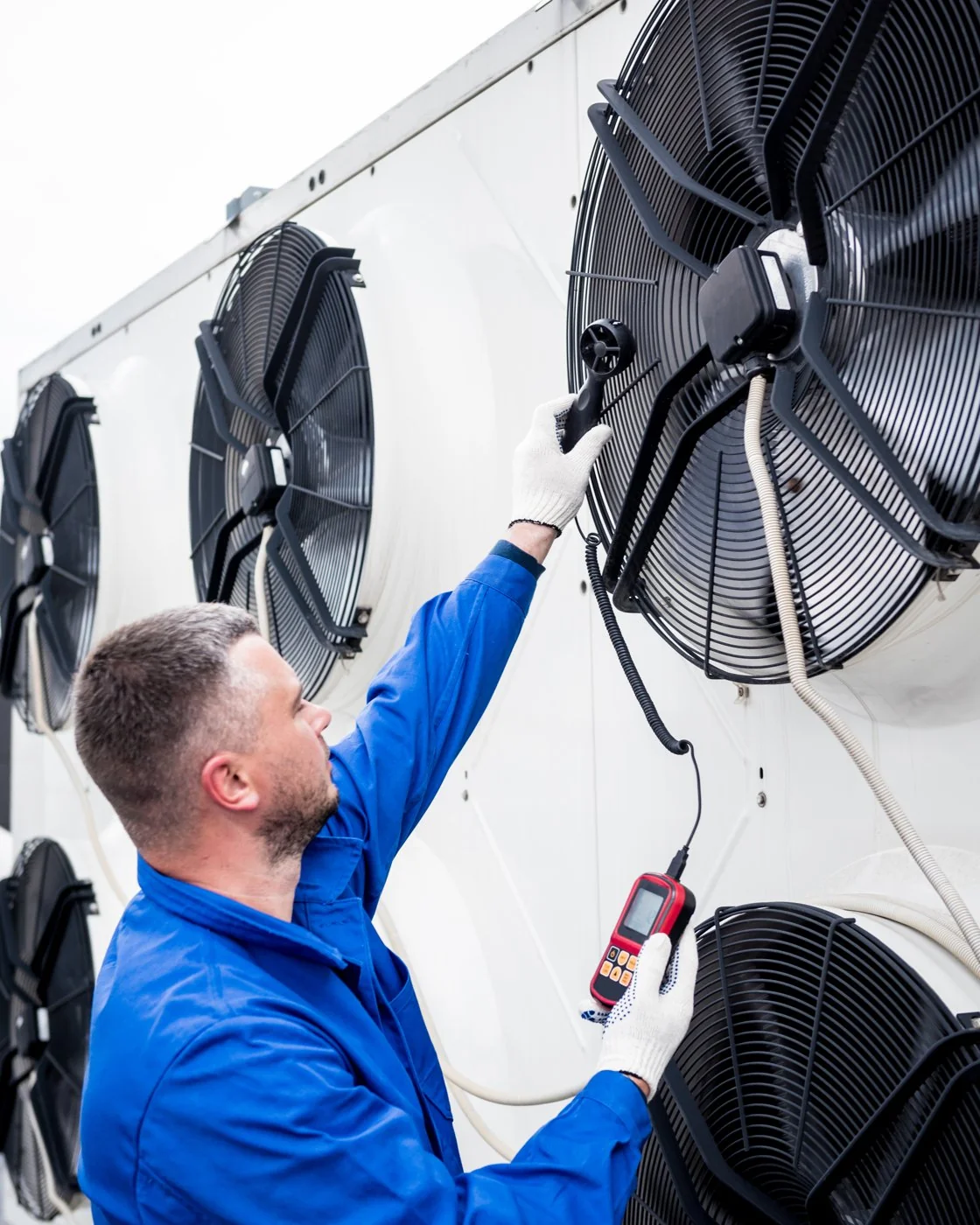
Row of outdoor air conditioning condenser units on a flat roof against a clear sky

Carriers are underwriting A2Ls as flammable

R-454B and R-32 are classified A2L, meaning mildly flammable. Some carriers now apply installation restrictions that go further than the building code does, which is a placement question rather than a jobsite question. Confirm it in writing before you quote a job, not after.

Open filing cabinet drawer with a ring binder of service records resting on the files

Training documentation became an underwriting item

Manufacturers increasingly want proof of A2L-specific training before honouring a warranty claim, and carriers are asking the same question at renewal. Whatever certification your techs hold, keep it current and keep it filed.

None of this changes what general liability does. It changes what a carrier will write and on what terms. Requirements also sit on top of whatever your state asks of a licensed contractor.

Speak to our team

Endorsement check

Tick the work you actually do

Every line below changes what has to be endorsed onto a standard contractor policy. This is not a quote and it prices nothing. It shows which conversations your placement needs to have.

What that means for your placement

Tick anything on the left and the endorsements it implies will appear here.

Bring this list to your renewal. A broker can tell you in one call which of these your current policy already answers and which it does not. This is general information about how these coverages usually work, not a determination about your policy: what responds depends on your wording and your carrier.

Speak to our team

Cost

How much does HVAC contractor insurance cost?

There is no flat answer, and any number quoted without seeing your operation is a guess dressed up as a price. Six inputs move an HVAC premium more than anything else.

01

Payroll and workers comp class code

The single largest driver. HVAC install sits in a different rate class from plumbing or sheet metal shop work, and misclassification is common enough to be worth auditing.

Effect on premium
02

Your revenue split

New construction rates higher than service and replacement. Carriers ask for the percentage, and they will check it at audit.

Effect on premium
03

Height and roof exposure

Rooftop package units put your techs at height. That shows up in both the comp rate and the liability appetite.

Effect on premium
04

Vehicles and radius

Van count, whether techs take vehicles home, and how far you travel. Radius matters more than most contractors expect.

Effect on premium
05

Claims history and experience modifier

Three years of loss runs, and the experience modifier that comes out of them. A clean history is the cheapest thing on this list.

Effect on premium
06

Limits and required endorsements

The pollution endorsement, the equipment schedule, the additional insured and waiver wording your contracts demand. Each one is priced.

Effect on premium

Three marks means the input moves your premium more than the others on this page. It is a relative weighting drawn from how these inputs behave, not a rate and not a quote.

So what does that add up to?

Your comp premium is largely set by payroll and class code before anyone looks at you. Your liability premium is where an operation's actual risk profile shows through, and it is the half a broker can move. Request a quote and we will come back with real numbers against your real exposure.

Talk to an expert

Process

How Rosella places HVAC contractor insurance

An HVAC file submitted as generic contractor business is how the refrigerant and combustion gaps survive a renewal nobody read.

  1. Loss runs and a payroll schedule spread on a desk beside a calculator and laptop

    We classify the work before we submit

    Class code, revenue split, height exposure and refrigerant handling all get established first, because a submission that gets these wrong comes back priced for a different business.

  2. Brokerage desk with a monitor in morning light

    We submit to the carriers that write HVAC

    We have access to more than 100 carriers, so you give us your information once instead of repeating yourself, and we take it to the markets we know have appetite for mechanical trades rather than whoever answered last year.

  3. Stamped certificate on a clipboard with a pen and a magnifier

    After bind, certificates built from your contract requirements

    A general contractor wants proof before your crew can start. Certificates of insurance go out carrying the additional insured and waiver wording your policy provides, rather than a generic form that fails the review and holds up your start date.

General liability is not mandated by federal law, but it is required in practice. Many state and local licensing authorities require proof of general liability or a surety bond before they will issue or renew an HVAC licence, and nearly every commercial contract requires it before you can start work. Workers compensation is separately required in every state except Texas and South Dakota, where it is optional, and thresholds vary by state.

It depends on payroll, your class code, your split between new construction and service, vehicle count, claims history and the limits your contracts require. A one-van operation and a twenty-tech commercial mechanical contractor are not in the same conversation. We will quote against your actual exposure rather than a starting-from figure.

Usually not on its own. The standard pollution exclusion in a general liability policy treats refrigerant as a contaminant, so a discharge typically falls outside the policy unless you have added contractor's pollution liability or an equivalent endorsement. Any contractor recovering or charging refrigerant should confirm this specifically.

It depends on the wording. Carriers have argued the pollution exclusion against CO claims arising from a faulty install or venting error, and some policies carry a specific carbon monoxide exclusion. A CO carve-back or a pollution endorsement is what closes it. Given what a CO claim looks like, this is worth checking rather than assuming.

Generally not. General liability responds to damage your work causes to other property, not to the cost of correcting the work itself. If a bad braze floods a ceiling, the ceiling is generally a covered claim and the joint is your cost.

It depends on your state and how you are structured. Most states allow sole proprietors and some owner-officers to exempt themselves, but the exemption often surprises people: general contractors frequently require comp regardless, and if you ever subcontract you may be picking up their exposure. Worth confirming for your state before you skip it.

Commonly $1M per occurrence and $2M aggregate on general liability, often with a $5M umbrella on larger commercial work, plus additional insured status, waiver of subrogation and primary and non-contributory wording. Read the contract rather than the certificate request, because the two do not always match.

Your general liability does not change because the refrigerant did. What can change is your carrier's appetite and their installation requirements, since A2L refrigerants are classified mildly flammable. Confirm the position with your broker in writing rather than finding out at a permit inspection or a claim.

Get started

Your dedicated risk team is one call away.

Tell us what you install and where, and we will go to market for terms that account for refrigerant, combustion and the work you finished last season.

  • Certificates checked against your contract
  • Access to more than 100 carriers
  • Markets that write HVAC

This page is general information, not a coverage determination. What your policy covers is governed by its own terms, conditions, and exclusions.

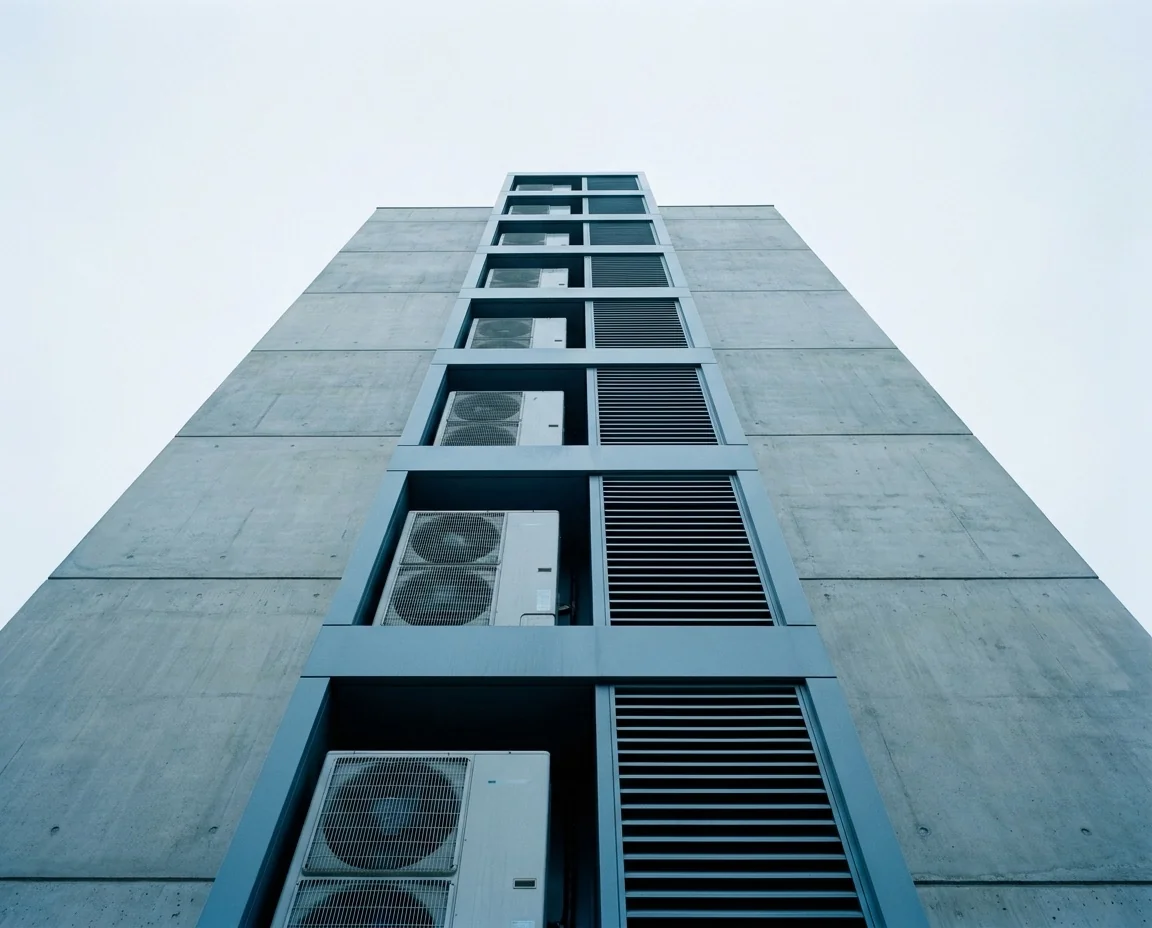
Condenser units stacked up the flank of a commercial building