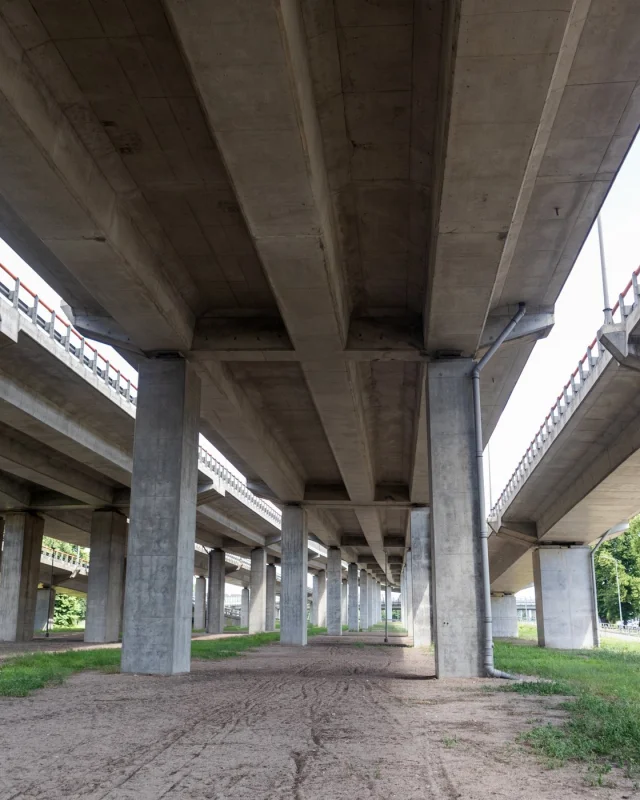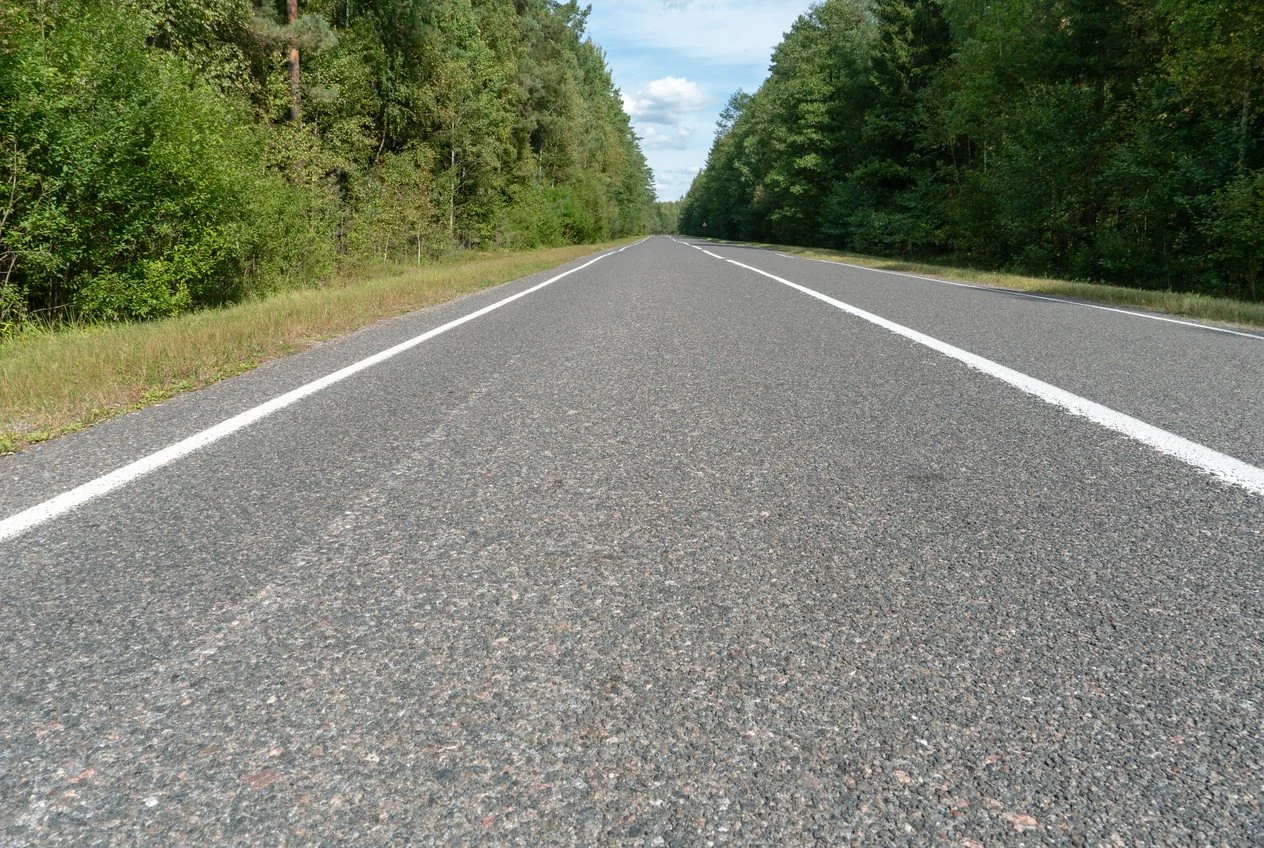
Newly surfaced two-lane road running straight between stands of trees

Paving contractor insurance

Paving contractor insurance, often sold as road construction insurance, covers general liability, workers compensation in the heavy-civil classes, contractor's equipment for pavers and rollers, and the higher auto limits public-works contracts require. Public agencies usually mandate bonding as well, before your bid is even opened.

Talk to an expert

Get a quote

The program

What road construction insurance is built from

Seven lines make up a paving program. Four are written into nearly every public-works contract; the other three depend on where the road runs and what it crosses.

01In the bid documents

General liability. With the agency on it as an insured.

Third-party injury and property damage from your operations and your finished pavement. Public owners commonly require $1M per occurrence and $2M aggregate as a floor, name themselves and often their engineers as additional insureds, and ask for the cover to apply on a primary basis.
02In the bid documents

Workers compensation. Heavy-civil classes, night shifts included.

Statutory benefits for your crews plus employers liability. Street and road construction has its own comp classes, split between paving and the subsurface work beneath it, and a crew working a lane closure at night beside moving traffic is exactly the exposure those classes describe.

03In the bid documents

Commercial auto.

Dump trucks, lowboys hauling pavers between jobs, distributor trucks laying tack coat and the pickups that run the closure. DOT and heavy-civil contracts commonly set a $1M combined single limit and expect the agency to be named on auto as well as on liability.

04In the bid documents

Umbrella or excess.

Highway contracts often set a total limit well above any primary policy, and an umbrella stacked over liability, auto and employers liability is how a contractor reaches it. The agency checks the tower as a whole, so a gap in one layer shows up at contract execution.

05Depends on the route

Contractor's equipment.

Pavers, rollers, milling machines and material transfer vehicles, owned and rented, written as inland marine because they spend their working lives on the roadway rather than in your yard. Rental agreements often make you answer for the full value of a machine while you hold it.

06Depends on the route

Contractors pollution liability.

Hot asphalt, tack coat, sealants, diesel and the runoff from a wash-out area, all next to storm drains and open ditches. A standard liability form excludes most pollution, and some agencies write CPL into the contract for road work near waterways.

07Depends on the route

Railroad protective liability.

Bought in the railroad's name when the work runs close to its tracks, usually because the railroad's own entry agreement demands it. Bridge and grade-crossing jobs meet it most, and a standard liability policy limits what it will pay on indemnity promised to a railroad.

The policies are familiar ones. What sets a paving program apart is that an agency, not the contractor, decides the limits, the insureds and the wording. Read what the liability form leaves to other policies, then check the umbrella that carries the agency's total extends to the same additional insureds as everything beneath it.

Where you pave

Four kinds of road, read four ways

Underwriters sort paving work by who owns the road and what moves past the crew while it works. Choose the closest match to your book to see what a carrier asks.

City and county streets

Mill and overlay, resurfacing and utility cut restoration on streets people live and shop on. Short closures, a great many of them, with driveways, parked cars and pedestrians inside the work area.

What underwriters askAnnual volume of municipal work, crew count, day or night shifts, and how closures are set up and checked
The claim that shows upA pedestrian tripping on a milled edge, a car marked by fresh tack, a driveway apron left impassable overnight
Endorsements it needsCity or county named additional insured, primary and non-contributory, completed operations through the warranty period
Watch forUtility cut restoration puts your patch on top of somebody else's trench. When the base settles, the argument is about whose work failed first, and your records are the evidence.Talk to a broker about this

Curb and gutter crews, sealcoating and striping outfits, milling subcontractors and asphalt plants are read on the same lines: public or private, day or night, and how close the work runs to live traffic. A plant is a manufacturing risk with its own property program, placed beside the paving operation. Where milling strikes something buried, that loss is discussed under excavation insurance rather than here.

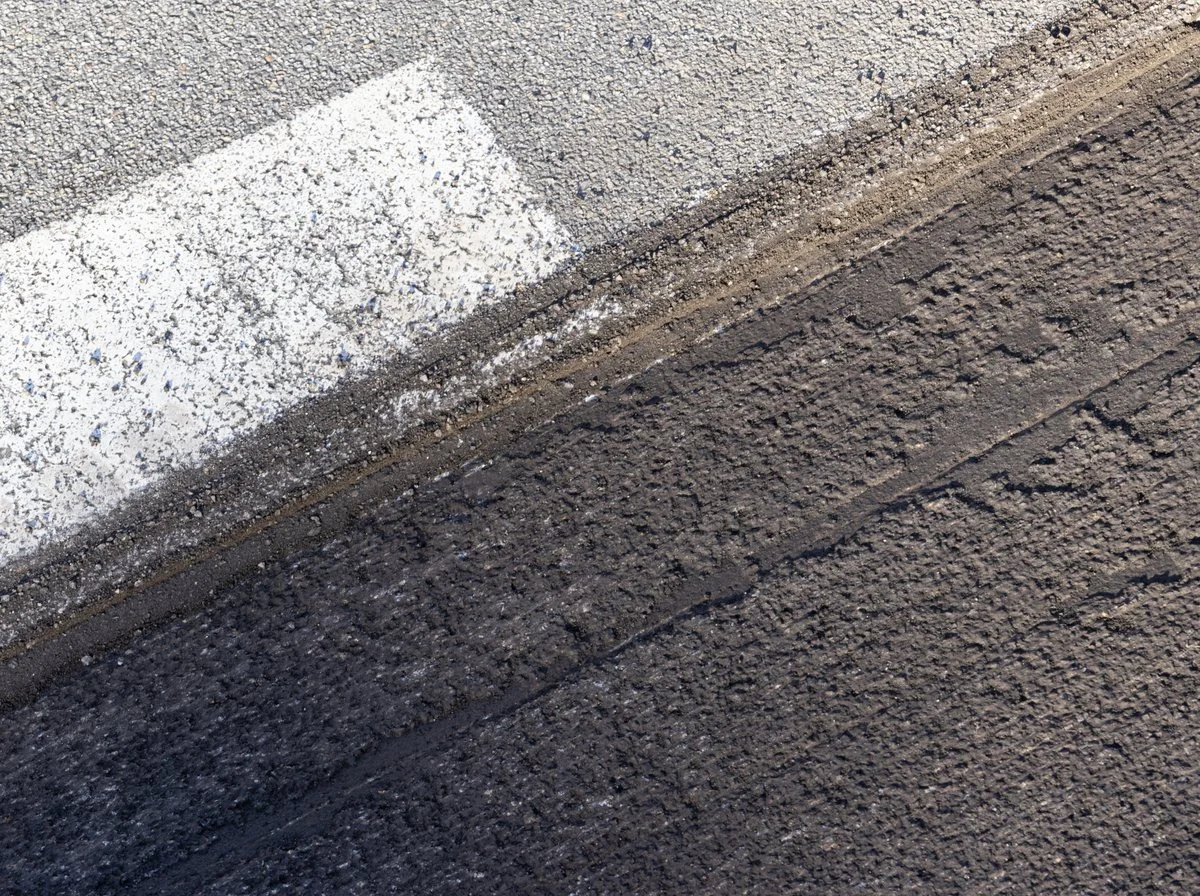
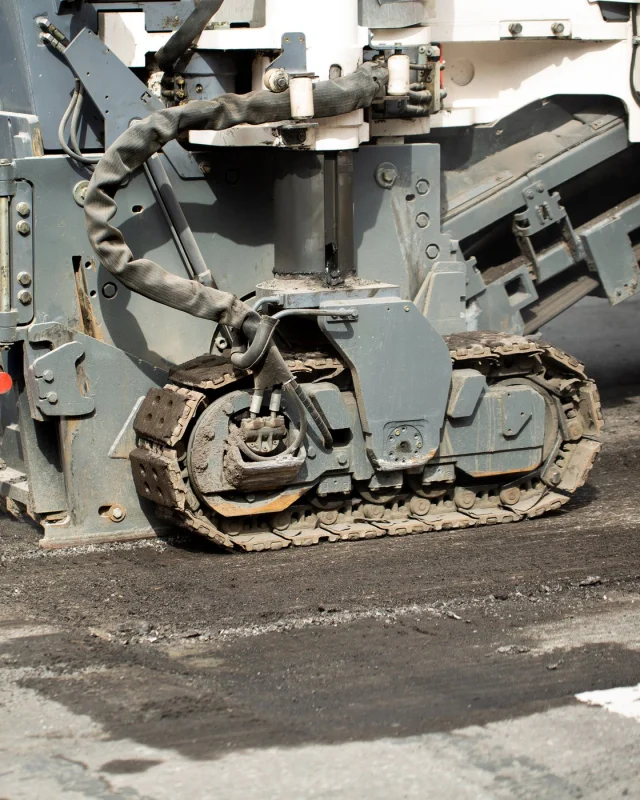
Milled road surface with a raised edge where the old asphalt was cut away

What actually triggers a paving claim

On road work the claim often arrives after the crew has gone home. The closure stays in place overnight, the milled lane stays open to traffic for a day or a week before the overlay, and the public drives across all of it. Many paving claims are third-party claims from people who were never on your site in any sense they would recognize.

Four common ones, and how a typical paving program reads them:

Covered: Overnight, a driver loses control on the edge drop-off between a milled lane and the one beside it. Subject to your policy terms, that is a general liability claim for ongoing operations, and the closure records decide the defense.

Not covered: The agency rejects a section of mat for low density and orders it milled and relaid. Correcting work that failed a specification is a contract cost, not an insured loss.

Covered: Loose chip seal stone cracks windshields for a week after the job. That is property damage under general liability, though dozens of small claims can each fall inside the deductible.

Not covered: A roller is driven down a public road between two sites and strikes a parked car. Depending on state law and how the policies define mobile equipment, general liability may treat it as an auto and decline it.

Paving claims tend to be frequent and small, punctuated by a rare serious one from the work zone. A program has to handle both: a deductible sized to the windshield claims, and limits sized to the crash. For how this sits inside the wider construction program, see the construction insurance overview.

The gaps

What paving contractor insurance does not cover

Eight gaps that road and bridge contractors run into, and what closes each one.

Pavement that fails the specification

WHAT YOU NEED

Nothing on the insurance side. The performance bond protects the agency's interest in getting the work corrected, and the surety will look to you for what it pays.

Liquidated damages for a late finish

WHAT YOU NEED

Schedule and contract management. Daily charges for missing a completion date are a contract term, and a liability policy generally does not pay them.

Indemnity promised to a railroad

WHAT YOU NEED

Railroad protective liability in the railroad's name, and a railroad contractual liability endorsement on your own form. Standard liability forms carve indemnity for work near rail out of the contracts they cover.

Your own worker struck in the closure

WHAT YOU NEED

Workers compensation, with the waiver of subrogation the agency asks for. Injury to your own employees is largely excluded from the liability policy.

Workboats and barges on bridge jobs

WHAT YOU NEED

A marine program for the vessels. Liability forms commonly exclude watercraft you own or operate.

Tack, fuel or sealant in a storm drain

WHAT YOU NEED

Contractors pollution liability. The pollution exclusion on a standard form takes most of this off the policy.

Traffic control plans you design yourself

WHAT YOU NEED

Contractors professional liability. A plan your firm drew is design work, and contractor liability forms often exclude it by endorsement.

Lost trade along a closed road

WHAT YOU NEED

Generally nothing on the liability side. Shops claiming sales lost to a detour usually show no bodily injury or property damage as the policy defines them, which is what the policy needs.

Two of these cards are bond and contract problems rather than insurance ones, and they arrive in the same bid package as the insurance requirements. Read them together. For the crew card, check how the comp waiver is endorsed on each agency contract.

Public works

Public roads come with public terms, and public traffic

Private paving is bought on an owner's contract and a certificate. Public road work is bought through bid documents, and an agency sets the terms long before the first truck rolls. Three of them shape a paving program more than anything the contractor chooses.

Clipped stack of documents beside a pen on a white desk

A bond before the bid, two more at award

Public agencies generally require a bid bond with the bid itself, then performance and payment bonds once the contract is awarded. On federal work the Miller Act sets the rule, and most states apply their own version, often called a little Miller Act, to state and local projects. A lien cannot usually be filed against public property, so the payment bond is what stands behind your subs and suppliers instead. Bonds come from a surety, not from the insurance program, and the surety underwrites mainly on your finances and work in progress.

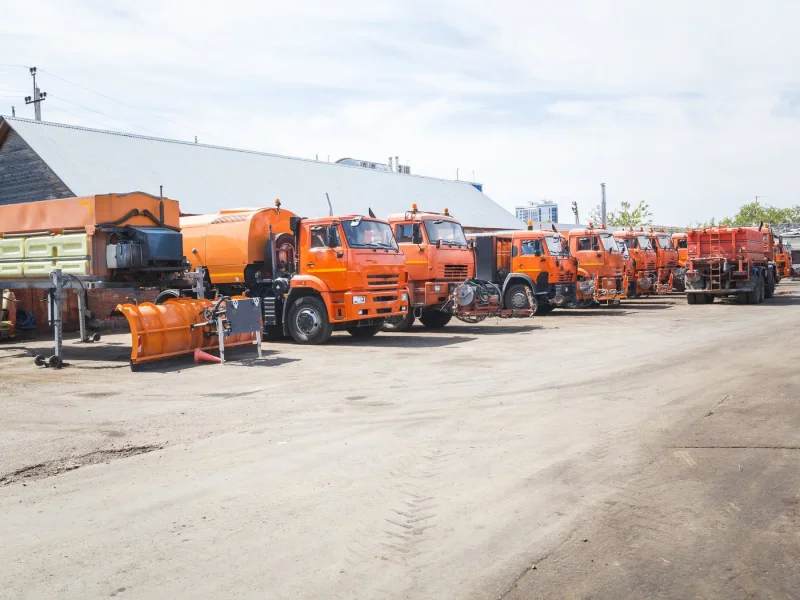
Row of orange road service trucks parked in a depot yard

Auto limits written by the contract, not the state

Heavy-civil and DOT contracts commonly set a $1M combined single limit on auto, require an umbrella above it to whatever total the agency names, and expect the agency on the auto policy as well as on liability. A paving fleet spends much of its working day inside the closure beside moving traffic, and some of its machines blur the line between an auto and mobile equipment. Where that line falls is set by policy definitions and state law, and it is better settled at binding than at the first claim.

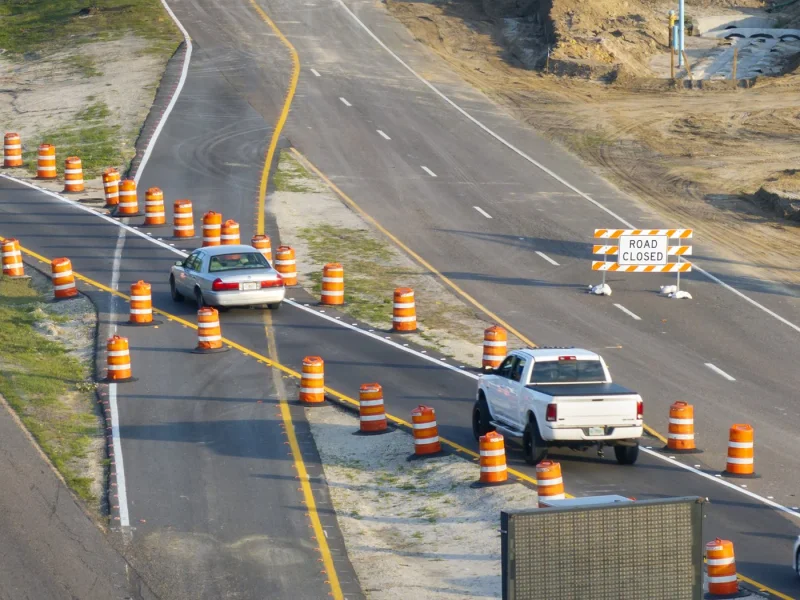
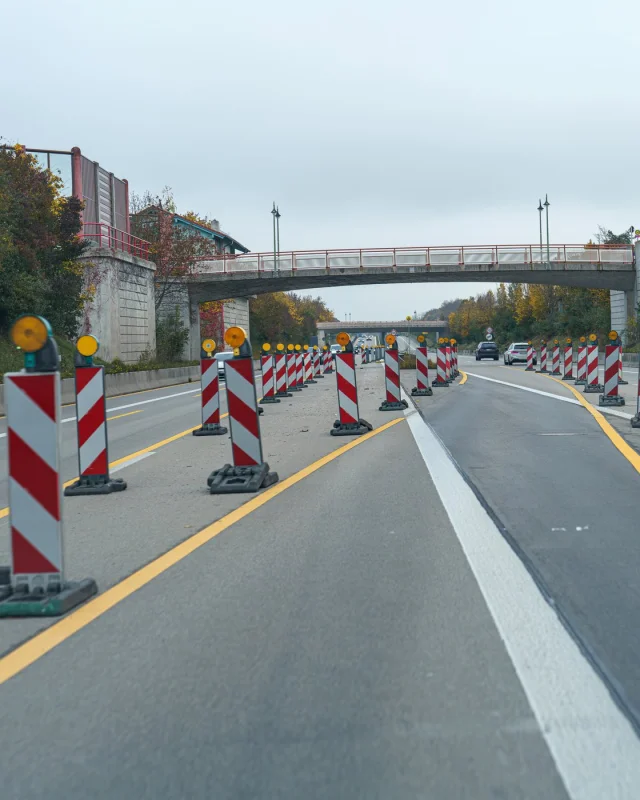
Orange drums and a road closed barricade shifting traffic through a highway work zone

The motorist who drives through your work zone

A driver who crashes in a lane closure rarely sues the agency alone. The contractor running the traffic control is named as well, and the claim turns on whether the signs, tapers, drums and flaggers matched the approved traffic control plan and the MUTCD, the federal manual whose temporary traffic control part is the standard work zones are judged against. Daily set-up logs, dated photographs of the closure and flagger training records are what defend it, often years after the crew has moved on.

Bonding is the one requirement here an insurance program cannot meet by itself, and how much a surety will write is a conversation of its own, covered under surety bonds for contractors. The auto limits and the work zone are insurance, and both are fixed in the bid documents, not at renewal.

Speak to our team

Bid package check

Tick what the bid documents ask of you

Each line is a requirement that appears in public road and bridge bid packages. Each maps to an endorsement, a policy or a bond, and the three are bought in different places. Nothing here carries a price.

What the bid package needs from you

Pick a requirement on the left to see which policy, endorsement or bond answers it.

Send us the insurance and bonding sections of a bid package before you price the job. A requirement found the week the contract is signed is one you may not be able to meet in time.

Speak to our team

Cost

What moves the price of paving contractor insurance

There is no figure on this page. A broker does not set the premium, and a number offered without your payroll and fleet schedule would mislead. Six inputs carry more weight in a paving program than the rest.

01

Payroll, class and night work

Workers comp is rated on payroll by class code, and road construction classes are heavy ones. The share of work done at night beside traffic matters to how an underwriter reads the classes you report.

Effect on premium
02

Fleet size and driver records

Dump trucks, lowboys and distributor trucks on public roads drive the auto premium. Motor vehicle records for every driver are part of the file, and one bad record can move the whole fleet.

Effect on premium
03

Experience modifier and loss runs

Three years of claims produce the modifier a comp carrier rates on and some prequalification reviews look at.

Effect on premium
04

Traffic exposure

Interstate closures at highway speed read differently from subdivision streets at walking pace. Underwriters ask for the split.

Effect on premium
05

What the contracts require

Agency additional insured status, railroad protective cover and contract-set umbrella totals are each bought, and heavier bid documents mean a heavier program.

Effect on premium
06

Public and private split

Parking lots and private sitework carry fewer contract requirements but more walking traffic. The mix changes which markets compete for the account.

Effect on premium

Pips rank the six inputs against each other for a paving program. Three is the heaviest. None of them stands for a price.

Where a paving contractor can move the number

Class and fleet are largely fixed by the work. Records are not: closure logs, driver files and a clean modifier are what a carrier can actually price on, and they are the same records a work zone claim is defended with.

Talk to an expert

Process

How a placement works

We understand your business first, then take it to the carriers who want to write it. An advisor walks you through the options and what they cost. No two files are the same, so what follows is the shape of a placement rather than a script.

  1. Loss runs and a payroll schedule spread on a desk beside a calculator and laptop

    We understand the business first

    What you do, where, with how many people, and what your contracts oblige you to carry. Those answers decide which markets will look at the file at all, and how much of the rest of this applies to you.

  2. Brokerage desk with a monitor in morning light

    We match it to the carriers who want to write it

    One set of information goes to underwriters with genuine appetite for your work rather than whoever happened to quote last renewal. An advisor talks you through what comes back and what it costs.

  3. Stamped certificate on a clipboard with a pen and a magnifier

    After bind, certificate requests read against your contract

    A main contractor wants proof before your crew can start, and this is how COIs get issued here. We read the certificate request against your contract, so the endorsements the contract needs are requested on the policy and the certificate reports what the policy provides, rather than a generic endorsement that may fail the review.

The program a road, street or parking lot contractor carries: usually general liability, workers compensation, commercial auto, an umbrella and contractor's equipment, with pollution and railroad protective cover added where the work calls for them. On public work it is assembled to meet the agency's bid documents.

The policies are the same kinds, but the weighting differs. A road contractor carries more auto exposure, more equipment value and far more contact with public traffic, and the terms are usually set by a public agency rather than a private owner.

Usually. Federal construction contracts above a set value fall under the Miller Act, and most states have their own version for state and local work. A bid bond is commonly required with the bid, and performance and payment bonds follow at award. Check the bid documents for the exact requirement.

Your subcontractors and suppliers. Because a lien generally cannot be placed on public property, the payment bond gives them a route to be paid if you do not pay them. A performance bond protects the agency's interest in getting the work finished.

A $1M combined single limit is common, often with an umbrella above it to a total the agency sets. The agency usually wants to be named on the auto policy as well. The contract sets the number, so read the bid documents rather than assuming last year's job applies.

It depends on the facts, but the contractor running the traffic control is commonly named alongside the agency. The claim is generally judged on whether the closure matched the approved traffic control plan and the MUTCD, which is why daily set-up records matter so much.

Often. Work near a railroad usually brings railroad protective liability under the railroad's entry agreement, work over water can bring workboats and barges that liability forms exclude, and work at height over live traffic changes how the comp classes and the liability are read.

The same core policies, with lighter contract terms and a different exposure. Private owners less often require bonds, but their customers walk across fresh sealcoat and tracked asphalt, so slip and trip claims and pollution cover for sealants matter more.

Get started

Bidding public work this season?

Send us a recent bid package with your current schedule and fleet list. We can read the requirements with you against the program you hold, and look for one built for the roads your crews actually work on.

  • Bid packages read with you before you price
  • Direct and wholesale carrier access
  • Markets for highway, municipal and private paving

This page is general information, not a coverage determination. What your policy covers is governed by its own terms, conditions, and exclusions.

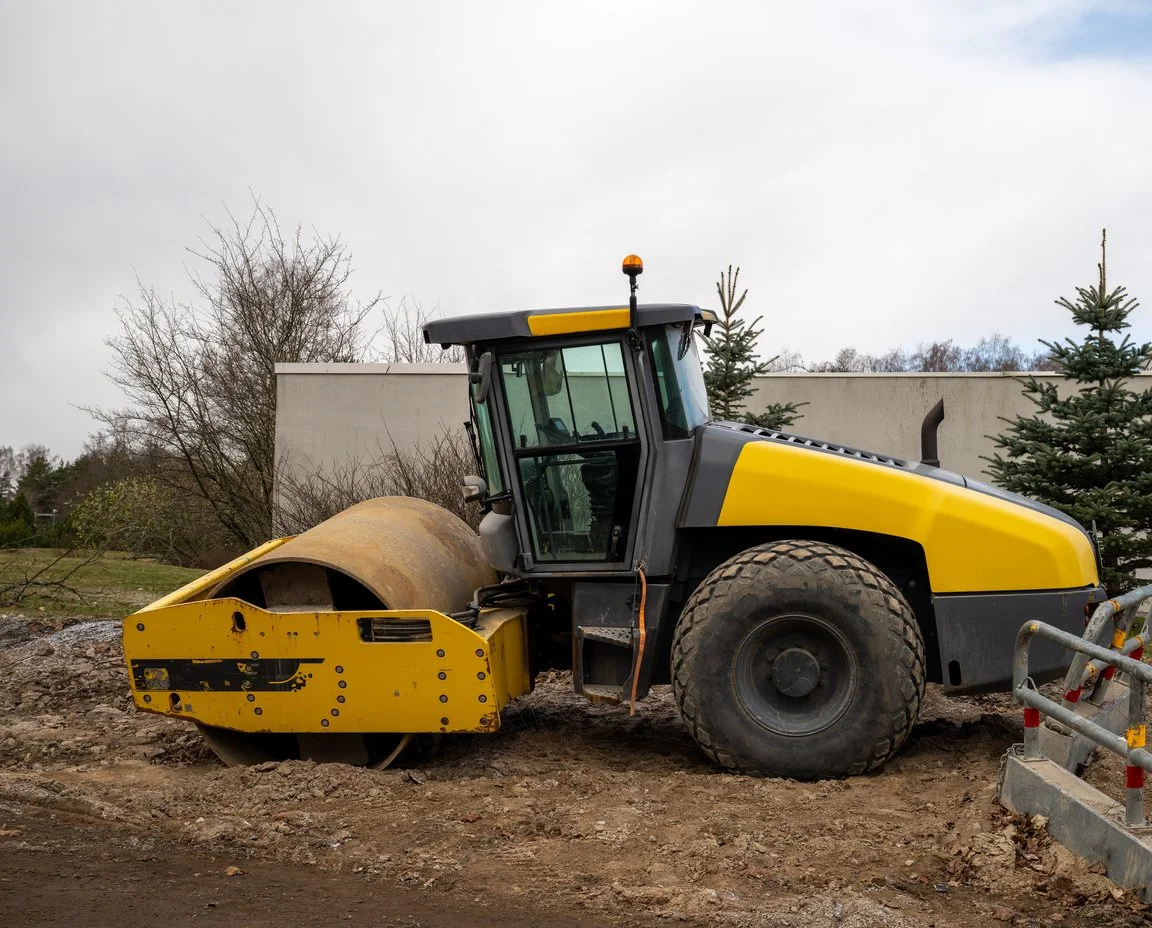
Single drum roller parked on a graded site beside a steel barrier