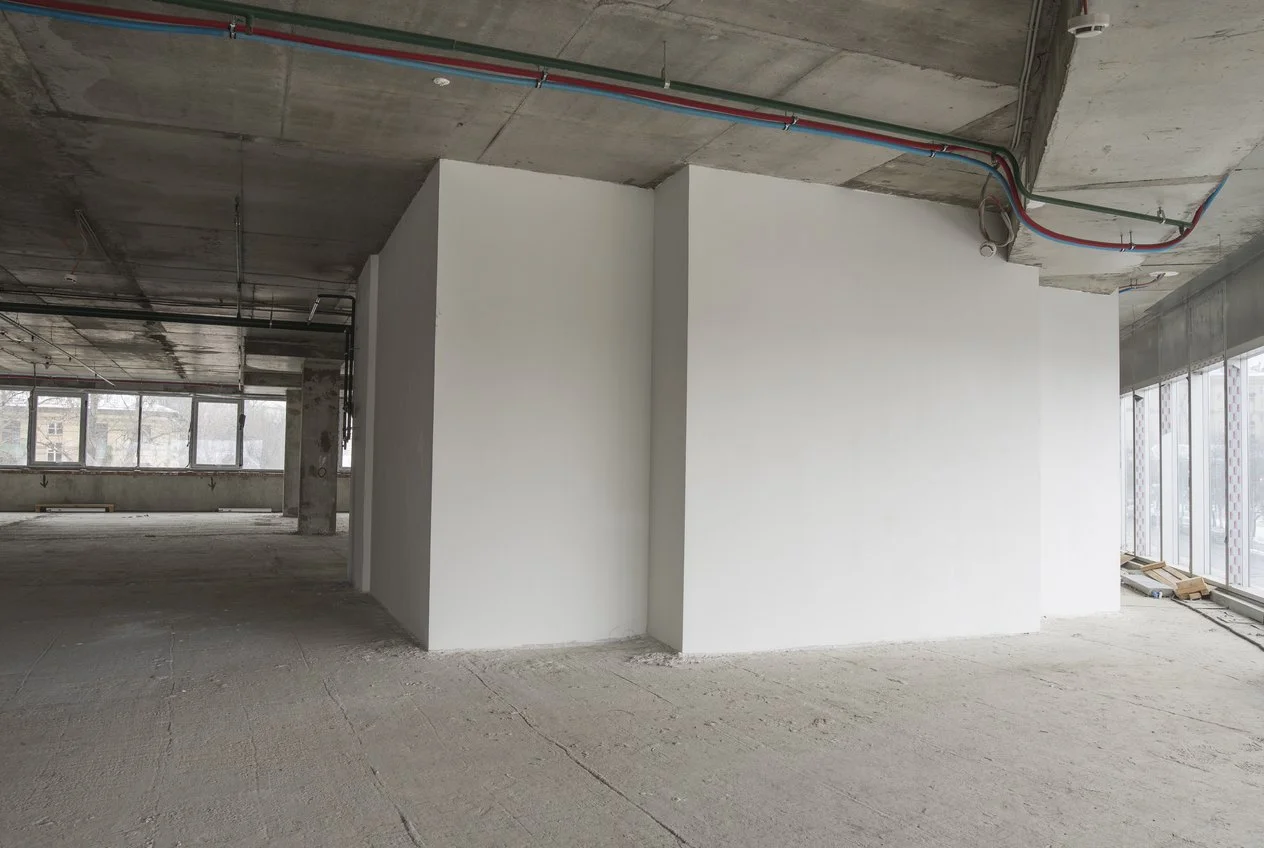
New partition walls standing on an unfinished commercial floor, services exposed overhead

Subcontractor insurance for specialty trade contractors

Subcontractor insurance for specialty trade contractors covers the trades without a dedicated page here: drywall, flooring, glazing, insulation and similar. Cover centers on general liability, workers compensation and the certificates and endorsements general contractors require before a crew can start.

Talk to an expert

Get a quote

The program

What subcontractor insurance is built from

Seven lines make up a specialty trade program. The first three are named in almost every subcontract; the other four follow from the work itself.

01Named in the subcontract

General liability. Written to the subcontract, not to a template.

Third-party bodily injury and property damage from your operations, on a CGL form. For a sub the endorsements matter as much as the limit: the subcontract will usually set additional insured, primary and non-contributory and completed operations wording on top of a $1M per occurrence and $2M aggregate floor.
02Named in the subcontract

Workers compensation. Your crew, and the waiver the GC asks for.

Statutory benefits for your own employees, plus employers liability. Most subcontracts also ask for a waiver of subrogation on the comp policy, which is an endorsement the carrier has to issue rather than a box you tick.

03Named in the subcontract

Commercial auto.

Crew trucks, box vans and trailers moving material between the yard and the site, plus hired and non-owned auto for staff who drive their own vehicles to a job. Subcontracts commonly set a $1M combined single limit and extend additional insured status to auto as well.

04Follows the work

Umbrella or excess.

Larger subcontracts set limits above what a primary policy carries, and an umbrella is how a sub meets them. Check that it extends the same additional insured and primary wording as the policy beneath it, or the extra limit protects you and nobody the contract names.

05Follows the work

Contractor's equipment.

Lifts, scaffolding, saws, glazing tables and the specialty tools of the trade. Written as inland marine, because a property policy largely stops at your own premises and your equipment spends its life on somebody else's.

06Follows the work

Installation floater.

Material bought and delivered but not yet installed: a pallet of tile, a crate of glass, rolls of insulation staged on a floor. Until it is part of the building, the project's builders risk may not respond to it.

07Follows the work

Contractors pollution liability.

Insulation fibers, sealants, adhesives, solvents and silica dust from cutting all sit close to the pollution exclusion on a standard liability form. Some general contractors now write CPL into the subcontract for exactly these trades.

Most of those lines are standard. What is not standard is the wording each one carries, and on a subcontracted job that wording is set by the contract above you. Start with the liability form the subcontract names, and check that the layer above it carries the same endorsements, or the higher limit stops short of the people the contract was written to protect.

Your trade

Four trade families without a page of their own

This page is where every specialty trade without a dedicated program here lands. An underwriter still reads each one differently. Pick the nearest and see what a carrier asks about it.

Drywall, framing and insulation

Large crews, heavy payroll, and work that is closed in behind finishes within days. Once it is covered over, any defect is somebody else's demolition.

What underwriters askPayroll by class, crew size, residential share, and whether you hire labor-only crews of your own
The claim that shows upMoisture and mold behind a wall, a fall from scaffold or stilts, damage to other trades' work in place
Endorsements it needsAdditional insured for ongoing and completed operations, waiver of subrogation on comp, the mold exclusion reviewed
Watch forSome contractor forms exclude condominium and multifamily work outright. If the subcontract is on an apartment or condo job, read the form before you sign it.Talk to a broker about this

Fencing, acoustical ceilings, fireproofing, waterproofing, millwork, signage and the other trades without a page here are read the same way: by class code, by the height and material of the work, and by what the subcontract asks for. If yours is not on the list, the conversation starts in the same place.

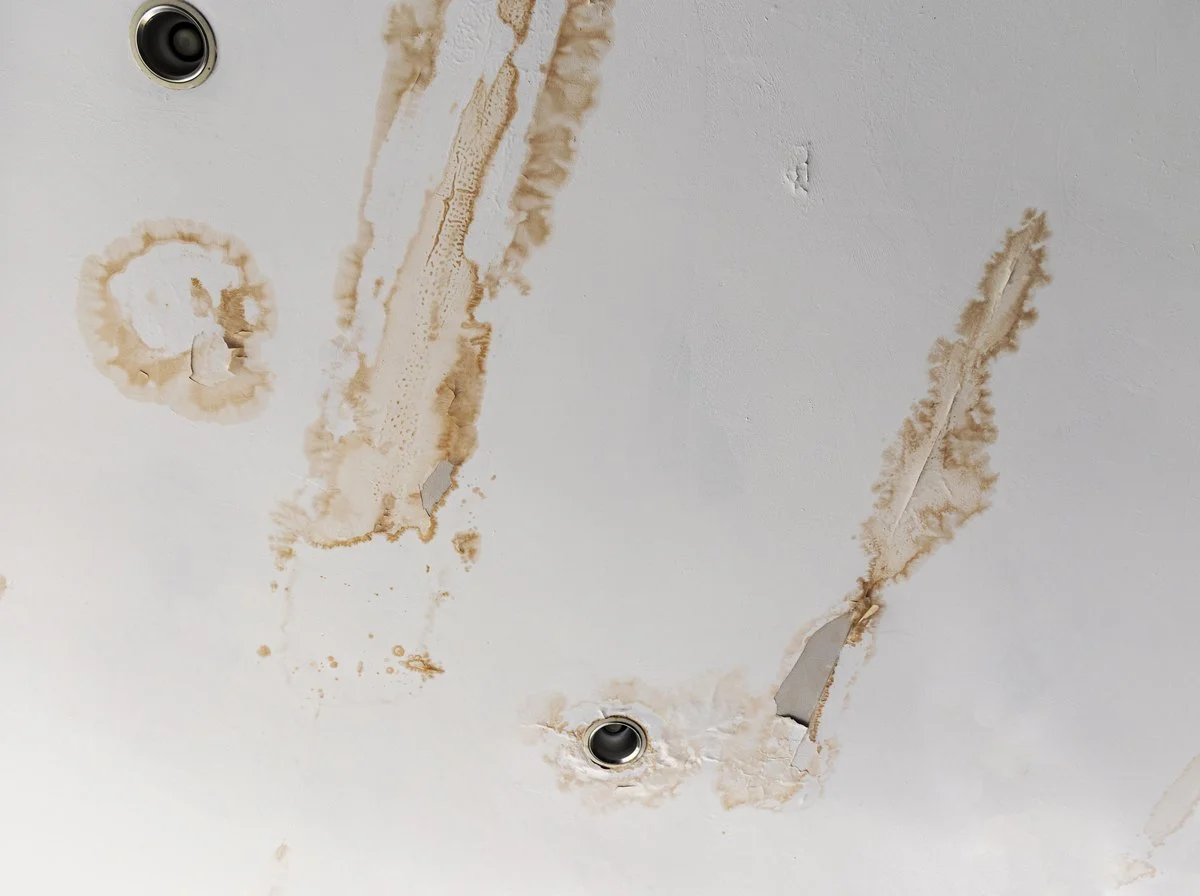
Water stains spreading across a finished ceiling around recessed lights

What actually triggers a subcontractor claim

On a subcontracted job the claim rarely comes to you first. It arrives as a tender: the injured party sues the owner and the general contractor, and they pass it down to you under the indemnity clause in your subcontract and the additional insured status on your policy. Whether your carrier picks it up depends on wording you agreed to before the job started.

Four tenders, and how a typical sub's program reads them:

Covered: A visitor trips over your staged material in a corridor and sues the GC. With additional insured for ongoing operations in place, your carrier generally defends the GC.

Not covered: Your tile debonds and has to be torn out and relaid. Redoing your own work generally sits outside general liability.

Covered: Water through a glazing joint you sealed damages finishes on two floors a year after handover. Subject to your policy terms, that is a completed operations claim, if the additional insured endorsement reaches completed work.

Not covered: The GC's own negligence injures the GC's own employee, and the subcontract asks you to answer for it. Current ISO additional insured endorsements cover the GC only for injury caused in whole or in part by your acts or omissions, and many states' anti-indemnity statutes void that kind of clause.

The tender is decided by three documents read together: the subcontract's insurance exhibit, its indemnity clause and the endorsements on your policy. Where they disagree, the gap is yours. Worth seeing how the wider construction program fits together before you sign the next exhibit, rather than after the first tender arrives.

The gaps

What subcontractor insurance does not cover

Eight gaps a specialty trade sub runs into most often, and what closes each one.

Rework of your own work

WHAT YOU NEED

Generally nothing. The your-work exclusion keeps the cost of fixing your install off the policy; damage it does to other property can be the covered half.

Indemnity your policy never agreed to

WHAT YOU NEED

A contract review before signing. The policy covers liability assumed in an insured contract, and a broadly drafted indemnity clause can promise more than that definition reaches.

Condo and multifamily work on a restricted form

WHAT YOU NEED

A form without a residential, condominium or tract housing exclusion. Some contractor forms carry one, and it surfaces the day a multifamily subcontract arrives.

Injury to your own crew

WHAT YOU NEED

Workers compensation, with the waiver of subrogation the subcontract asks for. Your employees generally sit outside the liability policy.

Mold and moisture behind the wall

WHAT YOU NEED

A mold exclusion review, or contractors pollution liability that carves it back. Drywall, insulation and flooring trades meet it more than most.

Work outside your license and class

WHAT YOU NEED

Nothing on the policy. Carriers rate you on the work you declare, and work outside that class or your license is where a claim gets disputed.

Design and engineering you took on

WHAT YOU NEED

Contractors professional liability. Delegated design puts engineering on your paper, and general liability generally does not respond to professional advice.

Vehicles and the load inside them

WHAT YOU NEED

Commercial auto for the vehicle, and an installation floater or inland marine for the material. General liability stops at the truck.

The indemnity and the license cards belong to a sub rather than to any one trade. Both are decided by paper you sign, and both are easier to fix before signing than after a tender. If you carry staff, check how the comp waiver is written at the same time.

The subcontract

The contract above you writes your policy

A specialty trade contractor rarely sets its own insurance terms. The subcontract arrives with an insurance exhibit attached, and that exhibit decides which endorsements your policy has to carry before your crew is allowed on site. Three requirements turn up in nearly every one.

Stacks of clipped contract documents on a desk

Additional insured, for ongoing and completed operations

The GC, and usually the owner, become insureds under your liability policy for claims caused, in whole or in part, by your work. Ongoing operations protects them while you are on site; completed operations protects them after handover, and many subcontracts require it for a stated number of years after the project closes. In the ISO series these are two separate endorsements, CG 20 10 and CG 20 37, and an exhibit that names both wants both.

Rolled construction drawings lying on an open plan sheet

Primary and non-contributory, and a waiver of subrogation

Primary and non-contributory means your policy pays first and does not ask the GC's own policy to share the loss. A waiver of subrogation means your carrier gives up its right to recover from the GC after paying. Subcontracts commonly ask for the waiver on general liability, auto and workers compensation, and each one is a separate endorsement the carrier has to issue.

Two tower cranes over separate building sites under an overcast sky

A per-project aggregate, inside the scope you are licensed for

A sub running several jobs at once can exhaust one general aggregate on a single bad project. A per-project aggregate endorsement gives each job its own, and larger subcontracts often require it. The same exhibit assumes your work stays inside the scope your license and your declared class cover, and work outside that scope is where a carrier looks hardest when a claim arrives.

None of this is negotiated at the claim. It is negotiated when the subcontract arrives, the one point at which a sub can push back on wording its policy cannot meet. How that wording is then evidenced to the GC is a separate job, covered under certificates of insurance.

Speak to our team

Exhibit check

Tick what the subcontract in front of you asks for

Each line is a clause that turns up in a subcontract insurance exhibit, and each maps to an endorsement your policy either carries or does not. Nothing here is priced. It is the list to read the exhibit against.

What your policy has to carry

Tick a clause on the left and the endorsement behind it shows up here.

Send us the exhibit before you sign it. Wording your policy cannot meet is far easier to negotiate out of a subcontract than to buy in a hurry the week before mobilization.

Speak to our team

Cost

What moves the price of subcontractor insurance

There is no figure here. A broker does not set the premium, and a number offered without your payroll in front of it would mislead. Six inputs move a specialty trade premium more than the rest.

01

Payroll and class code

Workers comp is rated on payroll by class code, and the specialty trades sit in very different classes: a glazier working at height is not rated like a floor finisher. Getting payroll into the right class is the largest lever there is.

Effect on premium
02

Experience modifier and loss runs

Three years of claims history produce the mod a general contractor will often ask to see before prequalifying you, and some set a ceiling above which they will not take your bid.

Effect on premium
03

What your subcontracts require

Completed operations additional insured, per-project aggregates and waivers are each endorsed and often priced. The heavier the exhibits you sign, the more the policy carries.

Effect on premium
04

Height and the work itself

Work from lifts, scaffold and swing stages moves both the comp class and which liability markets will quote.

Effect on premium
05

Residential share

Condominium and multifamily work narrows the market and can change the form. Carriers ask for the split and check it at audit.

Effect on premium
06

Revenue and contract size

Liability is commonly rated on revenue or payroll, and one large contract can move the exposure base more than a year of smaller jobs.

Effect on premium

Three marks flags an input that weighs on a specialty trade premium more than the others listed. It ranks them against each other and says nothing about a price.

Where a sub can actually move the number

Payroll and class are largely fixed by the work you do. The endorsements are not: a subcontract negotiated before signing can drop wording your policy would otherwise have to buy. A broker reading the exhibit early is often worth more than a broker shopping the renewal late.

Talk to an expert

Process

How a placement works

We understand your business first, then take it to the carriers who want to write it. An advisor walks you through the options and what they cost. No two files are the same, so what follows is the shape of a placement rather than a script.

  1. Loss runs and a payroll schedule spread on a desk beside a calculator and laptop

    We understand the business first

    What you do, where, with how many people, and what your contracts oblige you to carry. Those answers decide which markets will look at the file at all, and how much of the rest of this applies to you.

  2. Brokerage desk with a monitor in morning light

    We match it to the carriers who want to write it

    One set of information goes to underwriters with genuine appetite for your work rather than whoever happened to quote last renewal. An advisor talks you through what comes back and what it costs.

  3. Stamped certificate on a clipboard with a pen and a magnifier

    After bind, certificate requests read against your contract

    A main contractor wants proof before your crew can start, and this is how COIs get issued here. We read the certificate request against your contract, so the endorsements the contract needs are requested on the policy and the certificate reports what the policy provides, rather than a generic endorsement that may fail the review.

The set of policies a specialty trade contractor carries to work under a general contractor: usually general liability, workers compensation, commercial auto and an umbrella, endorsed to meet the subcontract's insurance exhibit. The endorsements are what separate it from a standard contractor policy.

Generally yes, if they want the work. Most general contractors require every sub, including a one-person 1099 outfit, to carry general liability and to show workers compensation or a valid state exemption, and the request is rarely negotiable.

Commonly $1M per occurrence and $2M aggregate on general liability, a $1M combined single limit on auto, statutory workers compensation with employers liability, and an umbrella on larger commercial work. The subcontract sets the number, so read the exhibit rather than the request email.

Ongoing operations covers the GC for claims arising while your work is in progress. Completed operations covers them after your work is finished and handed over. They are separate endorsements, and a subcontract that asks for completed operations usually wants it to run for a stated period after the project closes.

That your policy responds first to a covered claim involving the GC, and does not call on the GC's own policy to contribute. It is an endorsement, and it works alongside additional insured status rather than on its own.

You can, but the gap becomes yours. If the exhibit asks for wording your policy does not carry, you may be in breach of the subcontract and paying a loss your carrier will not. Send the exhibit to your broker before signing.

It matters most when jobs overlap. Without it every project shares one general aggregate, so a large claim on one job reduces the limit left for all of them for the rest of the policy year.

We can take it to market. This page covers the specialty trades without a dedicated page here, from drywall and flooring to glazing, fencing and coatings. The placement starts the same way: class code, payroll, the height of the work, and the subcontracts you sign.

Get started

Signing a subcontract this month?

Send us the exhibit with your current schedule. We will read the two against each other and look for a program built to the contracts your crews actually work under.

  • Exhibits read before you sign
  • Direct and wholesale carrier access
  • Markets for trades without a program of their own

This page is general information, not a coverage determination. What your policy covers is governed by its own terms, conditions, and exclusions.

Open-plan office floor mid fit-out, with stepladders left by the window line