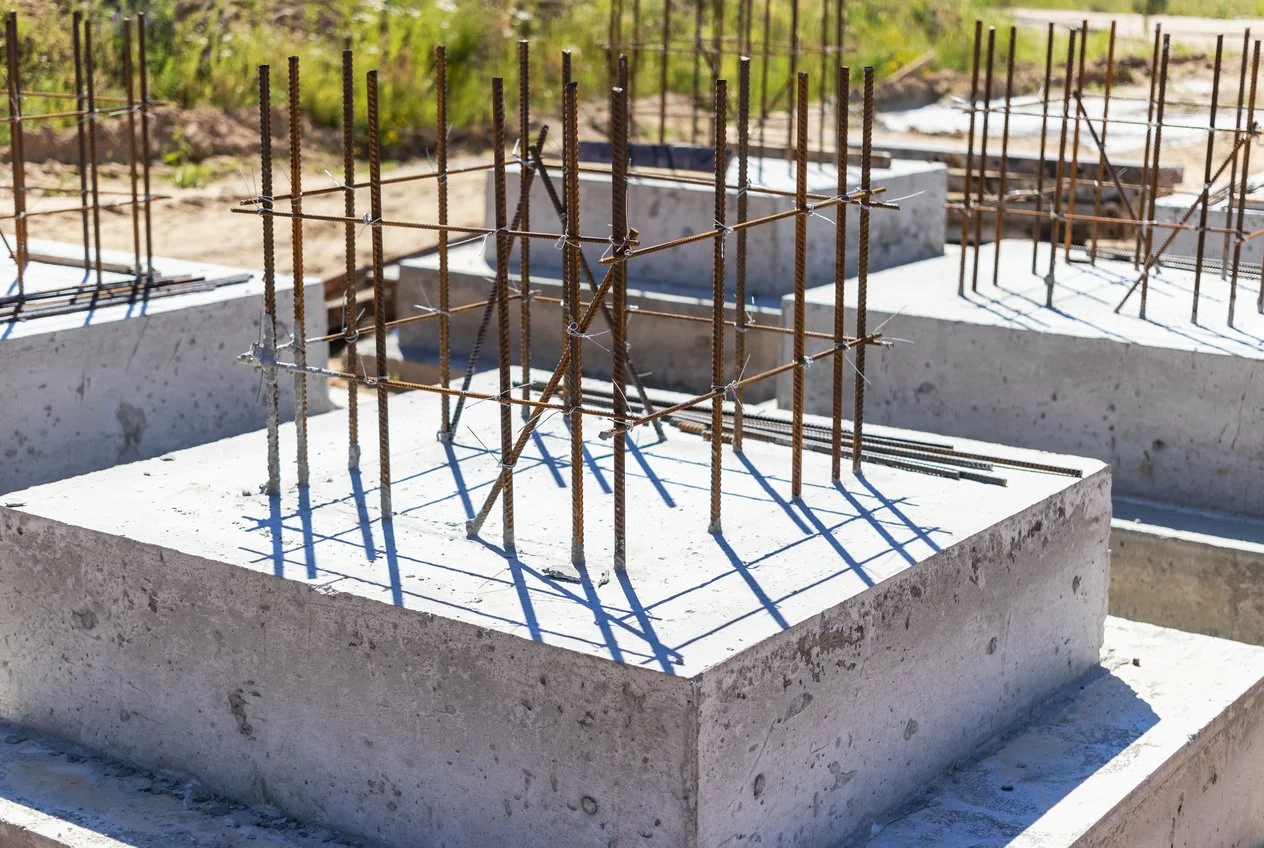
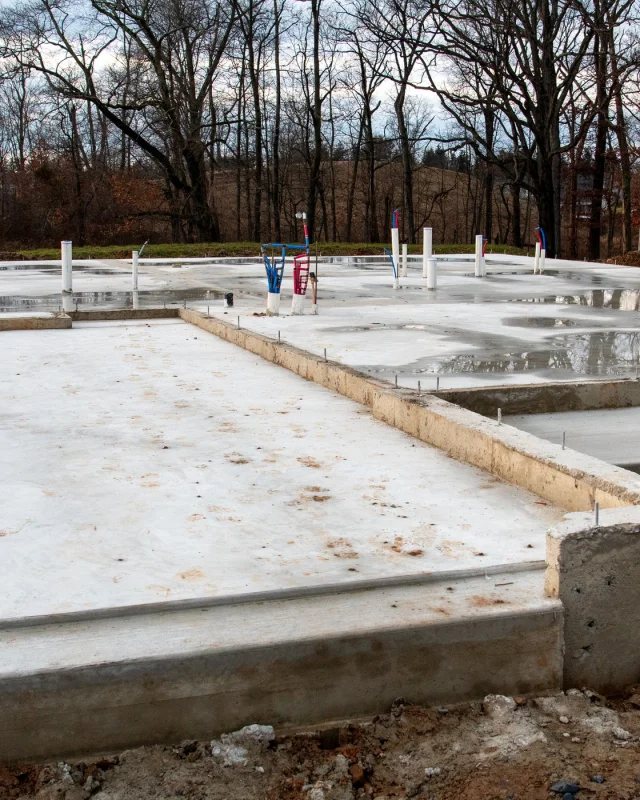
Cured concrete footings with rebar starts standing up from them on a cleared site

Concrete contractor insurance

Concrete contractor insurance combines general liability for the structural damage defective pours cause, workers compensation for one of the hardest physical trades on a site, and equipment cover for pumps, forms and mixers. The policy detail that matters most is the faulty workmanship exclusion, because concrete cannot be redone without being destroyed first. Written for established concrete firms running several crews and several pours at once.

Talk to an expert

Get a quote

Core coverage

The policies a concrete program rests on

Two lines carry most of the weight on a concrete contractor's schedule. General liability answers for what a pour does to everyone else's property. Workers compensation answers for what the work does to the people placing it, and on this trade it is usually the larger of the two.

01Carries the weight

General liability. What the pour does to others.

Bodily injury and property damage to third parties from your operations, and through the products-completed operations hazard from slabs, footings and walls you finished years ago. That hazard carries its own aggregate, and for a contractor whose work sits under everybody else's it is the limit that gets tested.
02Carries the weight

Workers compensation. The heavier line.

Statutory benefits for injured employees, plus employers liability for the lawsuits that sit outside the comp system. Lifting, kneeling, form work and wet cement put concrete in the higher-rated end of the construction classes.

03Fills a gap

Contractor's equipment

Written as inland marine. Line pumps, power trowels, screeds, saws, mixers and the form inventory travel from pour to pour, and a commercial property policy stops at your own yard. Rented equipment needs to be scheduled or covered by a rented equipment extension.

04Fills a gap

Commercial auto

Ready-mix trucks you own, boom pump trucks, flatbeds hauling forms, and hired and non-owned auto for crew leads in their own vehicles. Heavy units are rated on weight and radius, so the schedule needs to be current.

05Fills a gap

Commercial umbrella

General contractors and owners regularly ask a concrete sub to carry more than a primary policy holds. An umbrella or excess layer raises the ceiling over general liability, auto and employers liability at once.

06Fills a gap

Contractors pollution liability

Washout water, form release agents, curing compounds and admixtures can all reach soil or a storm drain. The standard liability form excludes most pollution, and a separate contractors pollution policy is how that exposure gets written back.

Equipment is a line often written last and checked least. Our brokers can set it beside the liability and comp lines, along with the equipment cover for pumps, forms and mixers, and fit it into the wider construction program you carry for each job.

Your pours

Four kinds of concrete work, four underwriting files

Most established concrete firms do two or three of these. The underwriter rates the share of each and reads the file by the heaviest one, so pick where most of your payroll goes.

Foundations and flatwork

Footings, foundation walls, slabs on grade, driveways and sidewalks. The highest volume of pours, poured under somebody else's building or somebody else's foot traffic.

What the underwriter asks forSplit between residential and commercial work, average slab size, subgrade preparation and who signs it off
Where the claims startSlab settlement under a finished building, trip falls on a raised sidewalk joint, cracked foundation walls letting in water
What the forms needA liability form with no residential or tract exclusion, completed operations at the limit your contracts set, earth movement wording read closely
Watch forMany contractors liability forms exclude residential tract work or condominiums outright. A firm moving from commercial slabs into a housing subdivision can find its completed operations empty for that phase.Talk to a broker about this

Shotcrete, precast installation and concrete cutting are usually underwritten close to structural work. Pure ready-mix suppliers are a different placement, closer to a product manufacturer than a contractor.

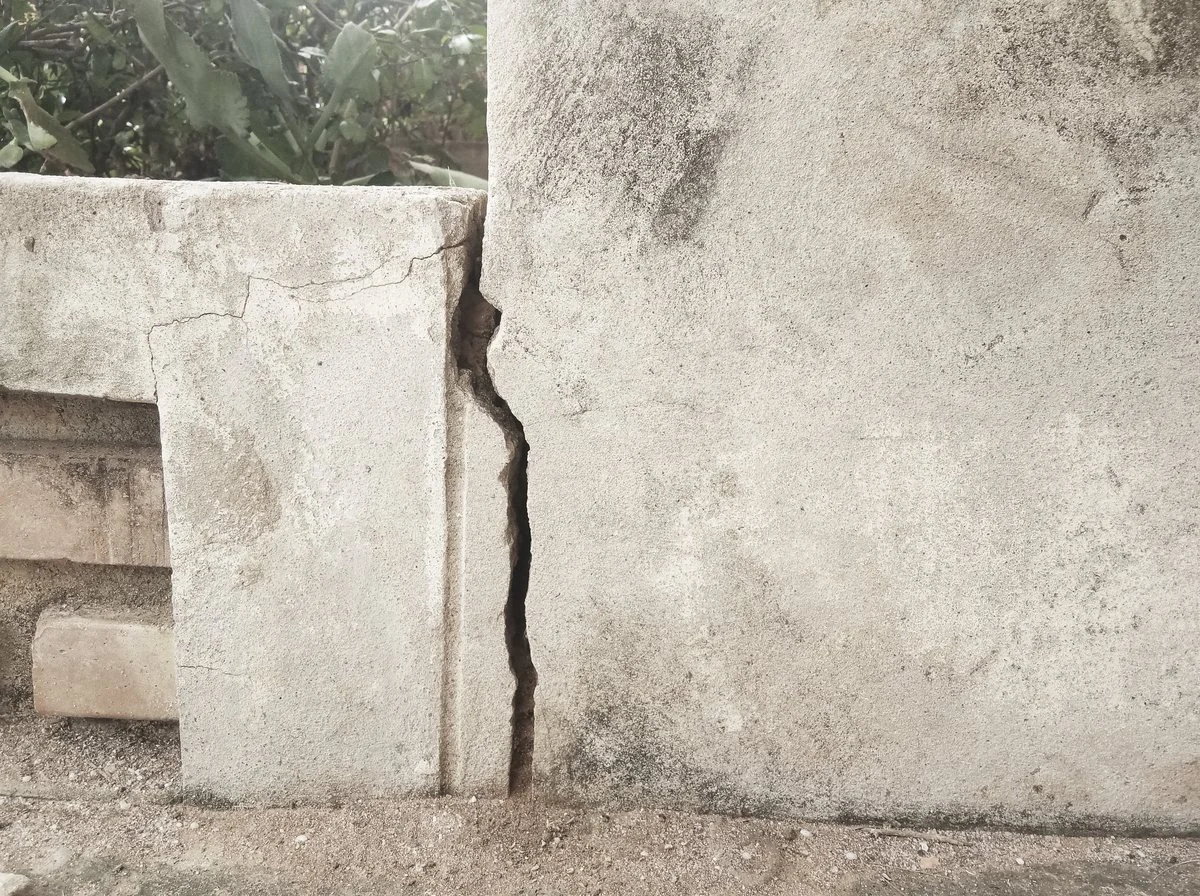
A crack running down a concrete wall where it meets a cracked footing

When a bad pour turns into a liability claim

Liability insurance answers for property damage and bodily injury to others. A slab that is merely wrong, poured out of level or short of the specified strength, has damaged nothing yet, and fixing it is the cost of doing the work again. The claim starts when the defect spreads to something that is not yours.

Four pours, four outcomes:

Covered: A footing settles and the steel frame above it racks, cracking the curtain wall another trade installed. Subject to the form and its endorsements, the damage to that other work is property damage.

Not covered: Saw-cutting and re-pouring a slab that came in out of tolerance. Replacing your own faulty work is excluded on a standard liability form, whether or not anyone else is involved.

Covered: A form wall blows out during the pour and wet concrete floods a neighboring basement. Damage to a third party's property during your operations is what the policy is written for.

Not covered: A floor that fails the owner's flatness specification but has harmed nothing. With no damage to other property it is a contract dispute, and the liability policy is generally not the place it gets settled.

So the defects that matter are the ones that travel. Everything a slab, a footing or a wall touches after it cures is a potential claim, and the line between your work and theirs is drawn by wording rather than by common sense. It is worth knowing how a general liability policy is put together before the next contract lands on your desk.

The gaps

Where a concrete contractor's program stops

Eight exclusions and limitations that turn up on concrete schedules. Some are in the standard form, others arrive by endorsement, and none of them shows on a certificate.

Tearing out your own pour

WHAT YOU NEED

Nothing in the liability form closes this. Pour records do the work instead: mix tickets, cylinder breaks and subgrade photographs that show whether the defect was yours.

Residential tract and condominium work

WHAT YOU NEED

A form without the residential or tract housing exclusion. Many contractors' policies carry it, and it can remove a whole subdivision of foundations from completed operations.

Earth movement under a slab

WHAT YOU NEED

A liability form written without a subsidence or earth movement exclusion, or with it limited, and a soils report on file for each job where the ground is expansive or filled.

Silica and dust

WHAT YOU NEED

The silica wording read before binding. Some liability forms exclude silica claims entirely, which matters to a contractor who cuts, cores and grinds on sites shared with other trades.

Washout, sealers and runoff

WHAT YOU NEED

Contractors pollution liability. The standard pollution exclusion can reach washout water and chemical products, and a storm drain claim is usually a pollution claim.

Equipment rented in for a big pour

WHAT YOU NEED

A rented equipment extension on the inland marine, at a limit that covers the largest unit you rent. Rental agreements often make you responsible for its full value.

Work outside the declared classification

WHAT YOU NEED

A classification that matches what your crews actually do. A classification limitation endorsement can leave tilt-up or structural work outside a policy written for flatwork.

Your injured worker suing the GC

WHAT YOU NEED

Employers liability limits high enough to answer an action-over claim, and contractual liability on the liability form for the indemnity you signed. When a hurt finisher sues the general contractor, that claim often comes back to you.

The first card is the one the liability form does not fix, so it is the one to manage on the job rather than in the policy. Speak to our team about the other seven, and about the umbrella limits a GC can ask for above them once the jobs get larger.

After the pour

A pour cannot be taken back

Most trades can open a wall, fix the mistake and close it again. Concrete is placed once. A defect is either lived with or broken out, and that single fact shapes all three parts of the program: what liability will pay, when the claim arrives, and what the work costs the crew.

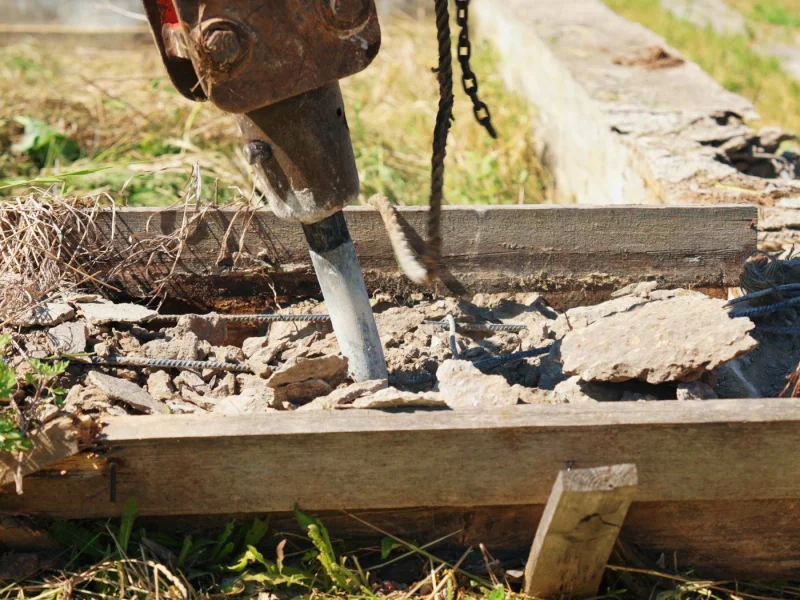
Hydraulic breaker chiseling a reinforced footing out of its wooden forms

The tear-out stays with you

The your-work exclusion in a standard general liability form, and its partner for property you are working on, remove the cost of making your own work right. When a footing comes in under strength or a slab misses its elevation, the saw-cutting, demolition, haul-off and re-pour are a business cost. What the policy can answer is the damage the bad pour causes to property that is not your work. Because a concrete contractor usually self-performs, the subcontractor exception that rescues many general contractors rarely helps.

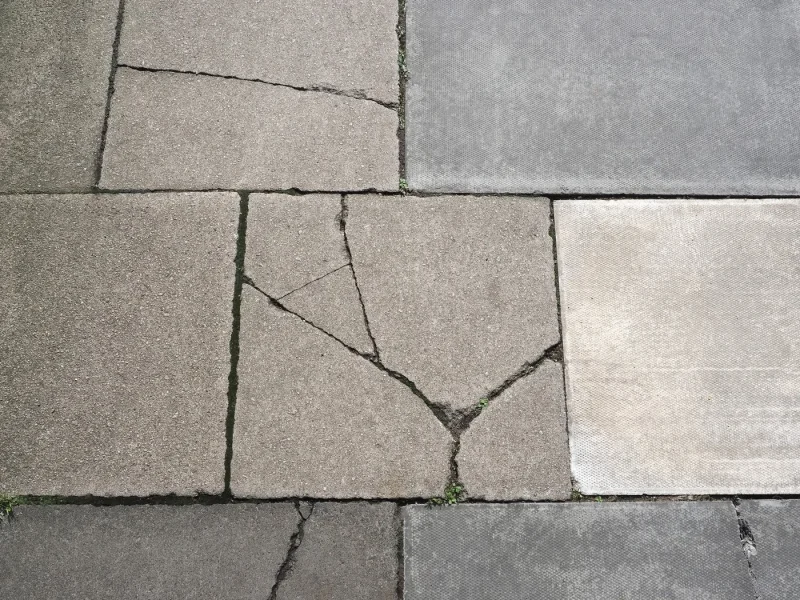
Cracked concrete paving panels with weeds in the joints

The crack arrives after the crew has gone

Slab and foundation claims seldom surface on pour day. Settlement, heave, spalling and cracking show up once the building above is finished and occupied, and they land on the completed operations hazard and its own aggregate. An occurrence policy generally answers in the period the damage happens, so the policy in force today may be the one asked to pay for a pour from years ago, and a prior completed work exclusion on a new policy can leave those pours with nothing behind them. Each state's statute of repose sets the outer limit on how long that tail runs.

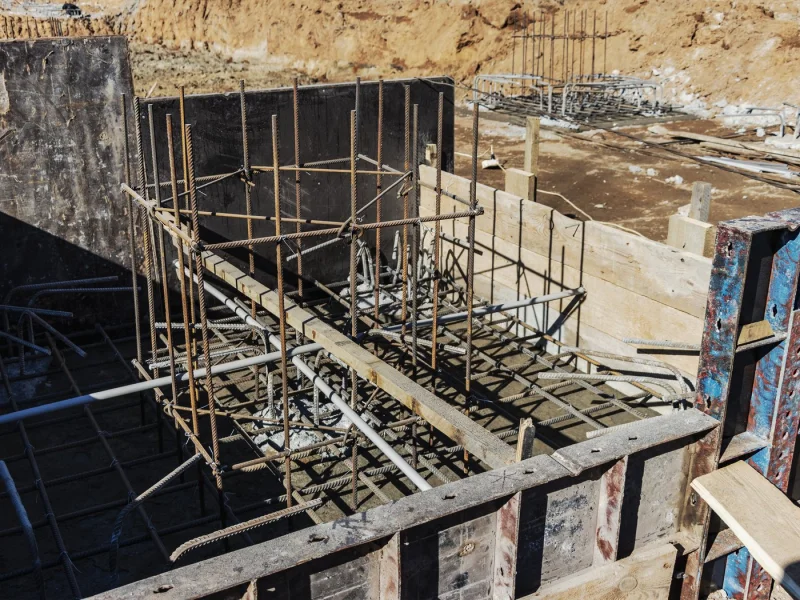
Rebar cage and formwork set up for a foundation pour

The heaviest line is comp

Placing rebar, stripping forms, finishing on knees, burns from wet cement and silica from cutting and grinding all sit on the same crew. Concrete construction classes rank among the higher-rated in the construction book, so workers compensation is often the largest single premium on the program. The levers you control are payroll recorded in the right class, an experience modification kept down by a real return-to-work program, and a safety record an underwriter can read.

Pour records are the nearest thing to cover for the tear-out. Mix tickets, slump tests, cylinder breaks and photographs of subgrade and reinforcement before the concrete arrives do not make the rip-out insured, but they decide whether a cracked slab is your defect or somebody else's. Keep them as carefully as the comp file for your field crews, because underwriters read both.

Speak to our team

Program check

What goes into your pours?

Concrete insurance follows the work, not the revenue line. Tick what your crews do and the cover each item implies lists itself alongside. Nothing is priced and nothing leaves the page.

What your schedule should show

Nothing ticked yet. Choose the work your crews take on and the matching lines appear here.

Bring this list to the next renewal, before the next season of pours. Most of what it names is wording, and wording is easier to change than concrete.

Speak to our team

Cost

What moves the cost of concrete business insurance

There is no per-yard figure worth publishing. Six inputs move a concrete program more than everything else, and the first two belong to workers compensation rather than liability.

01

Field payroll by class

Comp is rated on payroll in each class code, and concrete classes sit at the heavier end of construction. How much of the payroll is placing and finishing, and how much is supervision and driving, sets the base.

Effect on premium
02

Experience modification and injury record

Your own comp losses against the expected losses for your size. Back strains, cement burns and falls from formwork across the rating period can move it in either direction.

Effect on premium
03

What the concrete holds up

Structural and elevated work, and foundations under occupied buildings, carry a longer and heavier completed operations tail than sidewalks and patios.

Effect on premium
04

Ground and region

Expansive clay, fill and freeze and thaw cycles shape how often a slab claim arrives. Underwriters ask where you pour as well as what.

Effect on premium
05

Equipment schedule

The value of pumps, saws, trowels and form inventory, and how much is rented rather than owned, sets the inland marine side.

Effect on premium
06

Contracts and controls

Indemnity terms you sign, pour records you keep, and a written safety program. A file that shows the paper reads differently from one that cannot.

Effect on premium

Three marks means the input tends to move a concrete contractor's program further than the others here. It shows how underwriters weigh a concrete file against itself, never a rate or a quote.

Why two concrete firms land apart

Two contractors with the same revenue can price a long way apart, because one pours sidewalks with a small crew and a careful mod while the other places elevated decks across three states. Talk to an expert and we will come back with terms built on your payroll, your pours and your loss record.

Talk to an expert

Process

How a placement works

We understand your business first, then take it to the carriers who want to write it. An advisor walks you through the options and what they cost. No two files are the same, so what follows is the shape of a placement rather than a script.

  1. Loss runs and a payroll schedule spread on a desk beside a calculator and laptop

    We understand the business first

    What you do, where, with how many people, and what your contracts oblige you to carry. Those answers decide which markets will look at the file at all, and how much of the rest of this applies to you.

  2. Brokerage desk with a monitor in morning light

    We match it to the carriers who want to write it

    One set of information goes to underwriters with genuine appetite for your work rather than whoever happened to quote last renewal. An advisor talks you through what comes back and what it costs.

  3. Stamped certificate on a clipboard with a pen and a magnifier

    After bind, certificate requests read against your contract

    A main contractor wants proof before your crew can start, and this is how COIs get issued here. We read the certificate request against your contract, so the endorsements the contract needs are requested on the policy and the certificate reports what the policy provides, rather than a generic endorsement that may fail the review.

Usually general liability for injury and property damage your pours cause to others, workers compensation for your crews, and equipment cover for pumps, forms and mixers, with auto, umbrella and pollution cover added as the operation grows. The detail to check first is how the faulty workmanship exclusions on the liability form are worded.

Generally not. The cost of tearing out and re-pouring your own work is excluded on a standard form. What it can answer, subject to the policy terms, is the damage the defective slab causes to other property, such as finishes, framing or a neighboring structure.

Usually the completed operations hazard of a liability policy, if the cracking has damaged other property and a policy is in force when that damage happens. Which year's policy responds depends on the trigger rules in your state, which is why gaps between policies and prior completed work exclusions matter.

Because the work itself is hard on the body. Lifting, kneeling, form stripping, wet cement and dust from cutting all sit on the same crew, and concrete classes rate accordingly. Payroll recorded in the right class, a managed experience modification and a written return-to-work program are what move it.

It is written on the same lines, but rated differently. Masonry leans on scaffold exposure and wall height, concrete on pours and finishing. A firm that does both needs both classifications on its policies, or the one that is missing may not be covered.

Often, yes. The standard liability form excludes most pollution, and washout water, form release agents, sealers and curing compounds can all reach soil or a storm drain. Contractors pollution liability is the usual way that exposure is written.

Usually only if they are on an inland marine or contractor's equipment policy. A commercial property policy generally covers your own premises, not gear moving between jobs. Forms are easy to forget because they are not machinery, and they can be a large share of the value you own.

Usually not. Some cracking as concrete cures is expected and has not damaged anything else, so there is nothing for a liability policy to respond to. It becomes a possible claim when the movement damages other property, which is where pour records and control joint layout start to matter.

Get started

Insurance for work that sets in an afternoon and lasts for decades.

Tell us what you pour, how many people are on the crews and which states you work in, and we will look for a program that answers for the job and for the years after the concrete has cured.

  • Faulty workmanship wording read with you
  • Direct and wholesale carrier access
  • Carriers that write concrete contractors

This page is general information, not a coverage determination. What your policy covers is governed by its own terms, conditions, and exclusions.

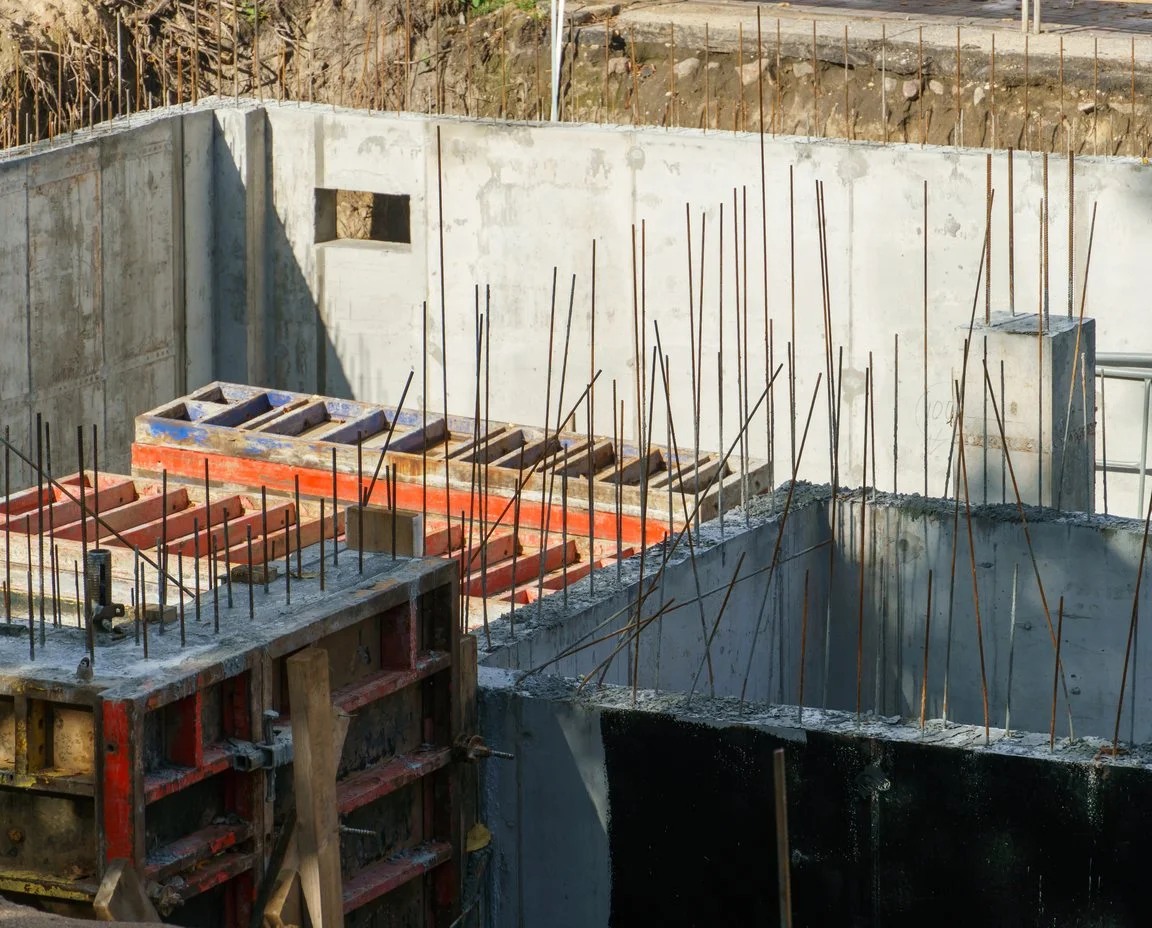
Basement walls cast in concrete with column rebar and stacked wall forms