
A customer's car gets stolen off your lot overnight, or a technician backs it into a support post during a routine oil change. Your general liability policy won't help. GL protects your business from claims made by third parties, and once you're holding someone else's vehicle for service, it's excluded from that coverage entirely.
That gap is what garage keepers insurance exists to close. Here's what it actually covers, how it's different from garage liability (a term it constantly gets confused with), and which of the three coverage forms fits your shop.
Garage Keepers Insurance vs. Garage Liability: What's the Difference?
Garage liability is essentially a general liability policy built for auto businesses, extended to cover the driving exposure that comes with the work. It responds when a customer slips in your waiting room, or when a technician on a test drive rear-ends another car. It also picks up products and completed operations, so a faulty repair that causes damage down the road is covered too.
What garage liability won't touch is damage to the customer's own vehicle while it's in your shop. That's excluded under a standard care, custody, or control provision, and it's exactly the gap garage keepers insurance fills. Think of garage liability as protecting everyone else, and garage keepers as protecting the vehicle sitting in your bay.
What Garage Keepers Insurance Actually Covers
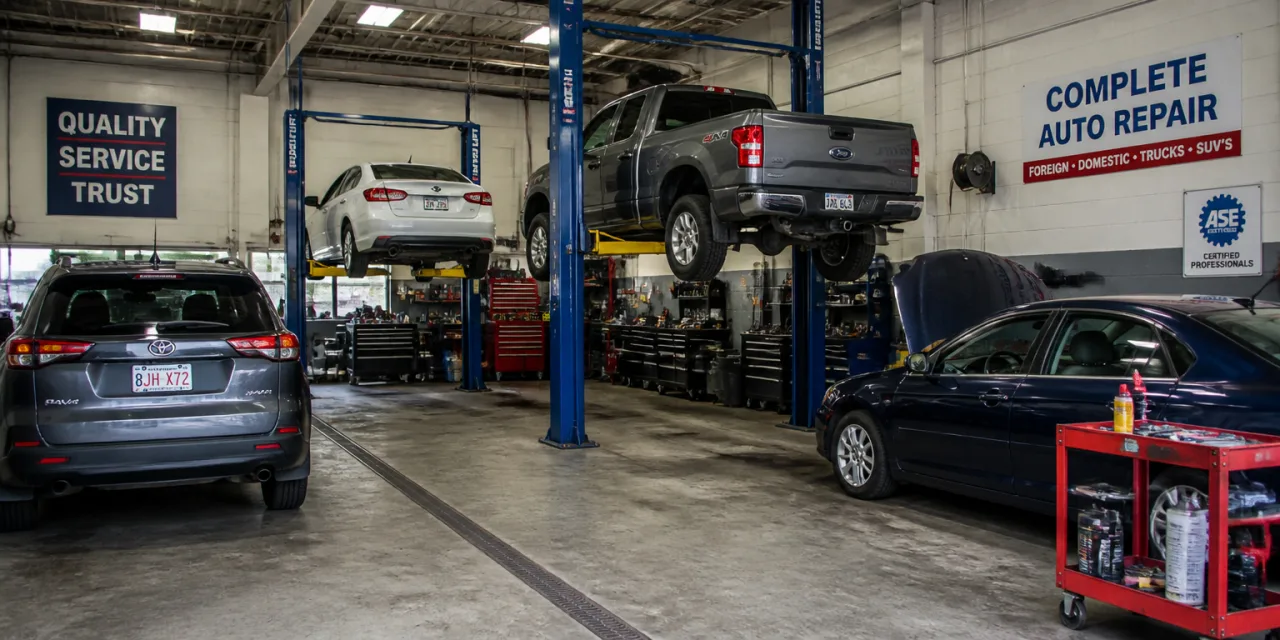
Coverage applies to customer vehicles in your care, custody, or control, whether they're parked on your lot, up on a lift, or out on a test drive.
| Scenario | Covered? |
|---|---|
| Technician damages a car during a road test | Yes, with collision coverage |
| Overnight break-in and theft from your lot | Yes, under direct primary or where negligence is established |
| Hailstorm damages multiple vehicles stored outside | Yes, under direct primary with comprehensive coverage |
| Fire in the shop damages vehicles in the bay | Yes, under direct primary or where negligence is established |
| Your own delivery van gets in an accident | No, that's commercial auto |
Most claims fall into a handful of patterns: a mechanic clips something during a test drive, a vehicle left overnight gets vandalized, or a batch of cars parked outside takes hail damage in a single storm. Weather events tend to be the costliest, since they hit every vehicle on the lot at once rather than a single car.
The Three Coverage Forms (and Which One Fits Your Shop)
Garage keepers coverage comes in three forms, and the difference between them matters more than most shops realize when a claim actually comes in.
Legal liability is the most common and the lowest-cost option. It only pays when your shop is legally at fault. If a hailstorm damages vehicles on your lot and you took reasonable precautions, legal liability may not respond at all, since no one was negligent. That's the coverage gap that catches most shops off guard.
Direct primary pays regardless of fault. Theft, weather, fire, vandalism: it can respond to all of it, depending on which causes of loss you choose to cover. This is the form most shops that store vehicles outdoors or overnight should be carrying, even though it costs more than legal liability.
Direct excess sits behind the customer's own auto policy and pays regardless of fault once their coverage has paid, or first if they don't have any. It still covers your shop in full when you're at fault, which makes it a middle ground between the other two.
IRMI defines garagekeepers coverage as liability protection specifically for damage to a customer's auto left in a dealer's or shop's care for service or repair, which is a useful way to keep the legal liability form's fault requirement in mind when you're comparing quotes.
What It Doesn't Cover
Garage keepers insurance is narrow by design. It protects customer vehicles, not your own operation.
Your own service vehicles and tow trucks need commercial auto liability, not garage keepers. That's a separate policy built for vehicles you own and operate, not ones sitting in your bay for a repair.
The lifts, diagnostic equipment, and hand tools that keep your shop running fall under tools and equipment coverage instead. And vehicles that leave your custody before an accident, say, a car a customer picked up an hour earlier, are outside the policy entirely.
Who Needs This Coverage?
Any business that takes physical possession of someone else's vehicle carries this exposure. Auto repair shops, body shops, dealerships, tow operators, car washes, and valet or parking operators are the obvious candidates. Tow operators also need on-hook coverage for the vehicle they're towing, since garage keepers doesn't cover a car on the hook.
The common thread isn't the type of business. It's whether a vehicle you don't own is ever parked, stored, or driven under your control, even briefly. A quick-lube shop that only has cars on-site for fifteen minutes still carries the exposure, just a smaller version of it than a body shop holding vehicles for weeks during a repair.